
Did you know over 95% of alerts from old motion sensors are wrong? They get triggered by wind, shadows, or small animals. This makes it hard for teams to spot real threats when they happen.
We’re moving from old ways of watching to new, smart systems. AI Perimeter Security turns video into actionable insights. This stops problems before they start.
Our method is smarter than just watching for movement. It lets your team focus on real dangers. This guide will help you make your site safer and more efficient.
Key Takeaways
- Old motion sensors cause too many false alerts, wasting time and effort.
- Smart systems focus on real threats, not just movement.
- Less false alerts means staff can really watch for dangers.
- New tech turns video into clear, useful information.
- Upgrading your defense makes your site safer and more efficient over time.
The Problem of False Alarms in Commercial Security
Security teams face many false alarms. This makes it hard to protect important places. Big sites get too many false alarms from old systems.
This makes a big problem. It wastes a lot of time and resources. It also makes it hard to find real threats.
There’s a big problem called alert fatigue. Guards get too many alerts. They start to ignore them.
This is very dangerous. Real intruders can sneak in while guards are busy with false alarms.
Some think more staff will fix the problem. But more people don’t solve the issue. AI perimeter security is a better solution.
It helps sort out real threats from false ones. This way, only important alerts reach the guards.
| Feature | Traditional Systems | AI-Enhanced Systems |
|---|---|---|
| Detection Accuracy | Low (High False Positives) | High (Precision Filtering) |
| Response Efficiency | Compromised by Fatigue | Optimized for Real Threats |
| Operational Cost | High (Manual Verification) | Low (Automated Logic) |
| System Reliability | Reactive and Unstable | Proactive and Consistent |
It’s important to update to new technology. Old methods are not good enough. Check if your system is ready for AI perimeter security.
Understanding AI Perimeter Security Technology
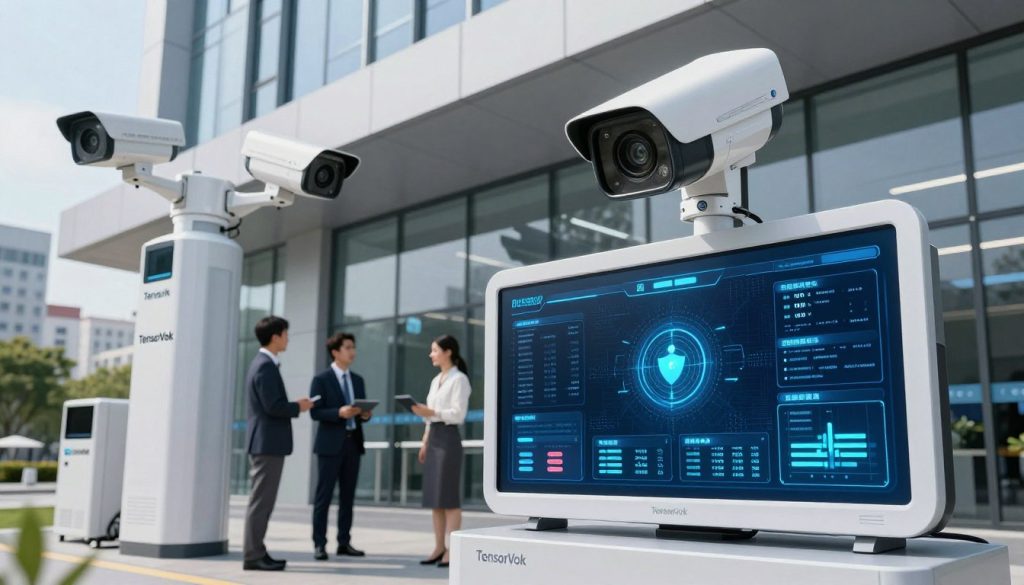
Advanced algorithms are changing how we defend areas in commercial places. AI Perimeter Security is smarter than old ways. It watches big areas better by ignoring things that don’t matter.
How Deep Learning Distinguishes Humans from Wildlife
Deep learning is the brain of today’s surveillance. It learns from thousands of images to spot human patterns. This lets it ignore small animals and other things that move.
When something moves into a watched area, it checks its shape and size. If it looks like a person, it sends an alert. This means your team only gets called when it’s really needed.
The Role of Thermal Imaging and Infrared Sensors
Good ai perimeter security works in all kinds of weather. Thermal cameras see heat, not light. They work well in dark, fog, or rain.
Infrared sensors add more detection. Together with thermal cameras and AI, your property is well-protected. Here’s how these techs compare to old methods:
| Technology Type | Primary Benefit | Environmental Resilience |
|---|---|---|
| Standard Optical | High Detail | Low (Requires Light) |
| Thermal Imaging | Heat Detection | High (Works in Dark) |
| AI Deep Learning | Object Accuracy | High (Filters Noise) |
| Infrared Sensors | Motion Triggering | Medium (Weather Sensitive) |
Assessing Your Site Requirements and Vulnerabilities
Starting a good security plan means knowing your place well. We do a full site check to make sure our AI Perimeter Security fits your needs.
Spotting weak spots early helps us build a strong defense. This way, we can stop problems before they start for your business.
Mapping High-Risk Entry Points and Perimeters
We walk the whole property to find all possible entry points. We look at loading docks, extra gates, and hidden spots that are often missed.
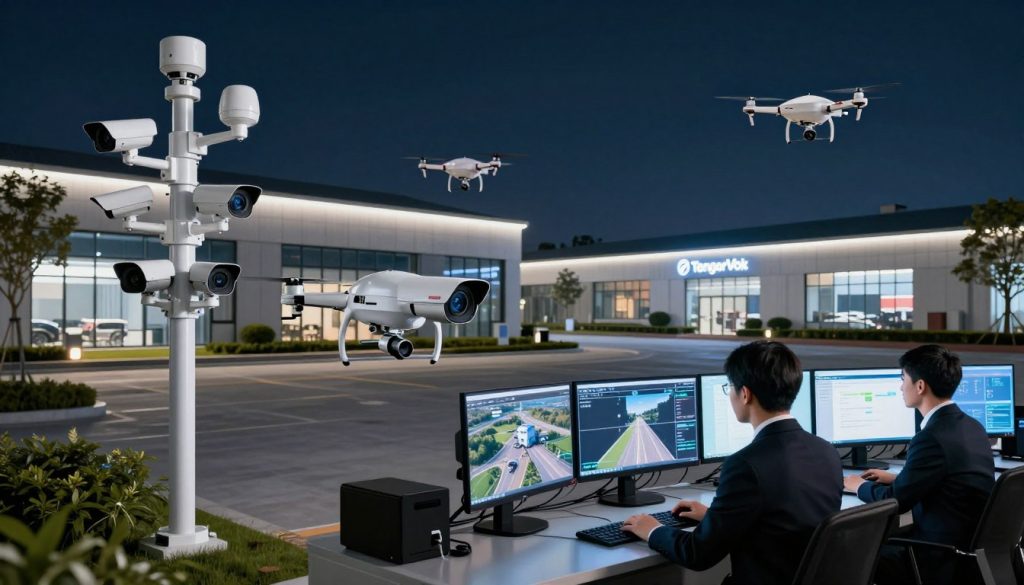
Strategic placement of sensors is key for full coverage. We mark these risky areas so our detection works best where it’s needed most.
Evaluating Environmental Factors Affecting Detection Accuracy
Every place has its own weather and environment challenges for ai perimeter security. We check areas with strong winds, moving plants, or steam from factories.
These things can cause false alarms if not handled right. By knowing these, we adjust our gear to ignore harmless movements but catch real intruders.
We also think about light and seasons that might change how sensors work. A strong AI Perimeter Security plan handles these changes for reliable protection all year.
Selecting the Right Hardware and AI Analytics Software
When you design your security layout, the right mix of cameras and analytics software is key. We aim to create a strong AI Perimeter Security system. It must work well and meet your needs.
Choosing wisely at this stage helps avoid costly errors. It also ensures your system will last a long time.
Choosing High-Resolution Cameras with Edge Processing
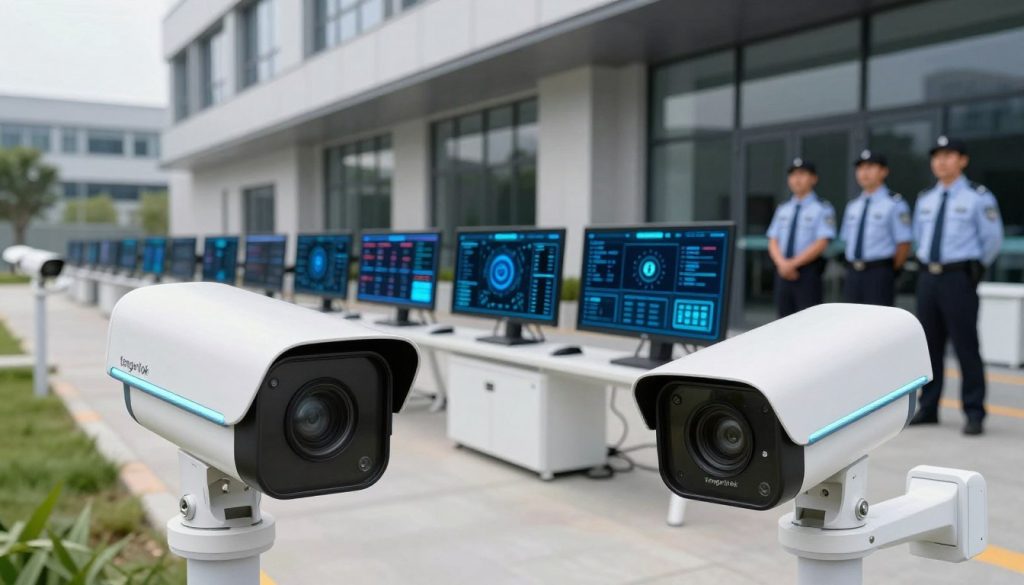
Modern surveillance needs cameras that capture clear images, even in tough light. Cameras that do edge processing are best. They handle the work right at the camera.
This makes threat detection faster and more reliable. It doesn’t rely on a central server as much.
Edge-based ai perimeter security cuts down on delays. Cameras can send alerts right away. This quick action is key to stopping unauthorized access.
Integrating Advanced Video Management Systems
You don’t have to replace everything to use new tech. We suggest linking your new gear with your current Video Management Systems (VMS). This keeps your security team’s workflow the same.
Choosing hardware that works with open standards lets you grow your system. This way, you can add more AI Perimeter Security features later. The table below shows the main differences between old and new systems.
| Feature | Traditional Systems | AI-Enabled Systems |
|---|---|---|
| Processing Location | Centralized Server | Edge (Camera Level) |
| Alert Accuracy | Low (High False Alarms) | High (Object Classification) |
| System Scalability | Limited by Server Load | Highly Scalable |
| Operational Cost | High Maintenance | Cost-Effective Over Time |
Step-by-Step Installation and Calibration Process
Our team works hard to make sure your ai perimeter security works great. We start with the right setup to make everything work smoothly. This way, your place stays safe and runs without problems.
Mounting Cameras for Optimal Field of View
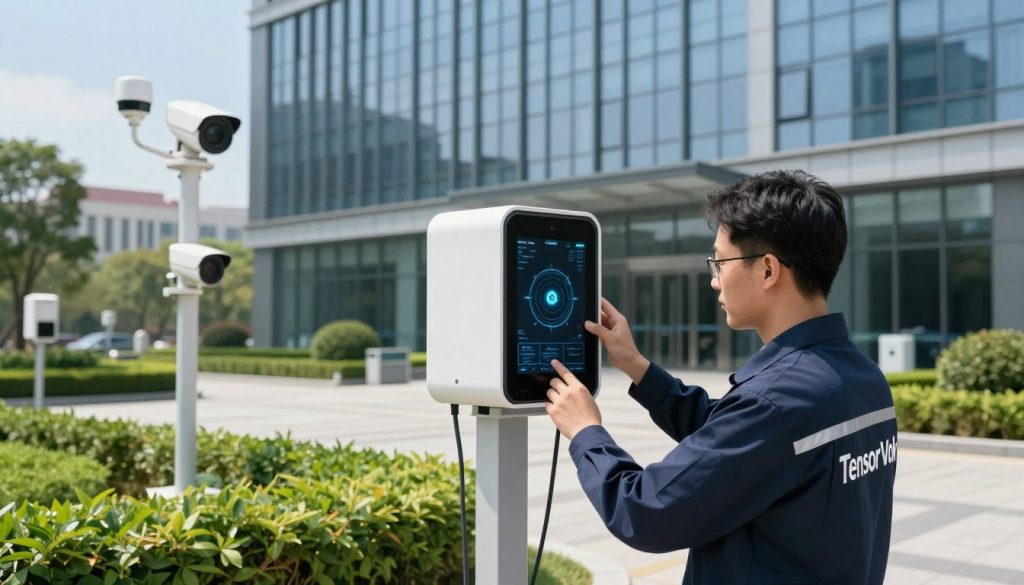
Where you put your cameras is key for AI Perimeter Security. We suggest putting them 10 to 15 feet up. This view is clear and keeps them safe from tampering.
Make sure nothing blocks the camera’s view. We check this by walking around the area. This makes sure the camera sees what it’s supposed to without false alarms.
Configuring Network Connectivity and Power Over Ethernet
Good network connections are vital for surveillance. We use Power Over Ethernet (PoE) to send power and data in one cable. This makes things simpler and keeps cameras on even when power wavers.
Use top-notch Cat6 cables for clear signals over long distances. Keeping cables tidy helps avoid damage and keeps them working well.
Establishing Baseline Detection Parameters
After setting up the hardware, we start setting up the software. We teach it what’s normal at your site. This way, it can spot anything out of the ordinary.
| Installation Phase | Primary Objective | Key Requirement |
|---|---|---|
| Mounting | Maximize Coverage | Clear Line of Sight |
| Connectivity | Ensure Stability | PoE Infrastructure |
| Calibration | Define Baseline | Environmental Mapping |
By setting these rules, we get the system ready for advanced work. This careful setup helps the system tell real threats from normal activity. Following these steps makes sure your system works well for a long time.
Fine-Tuning AI Detection Zones to Minimize Noise
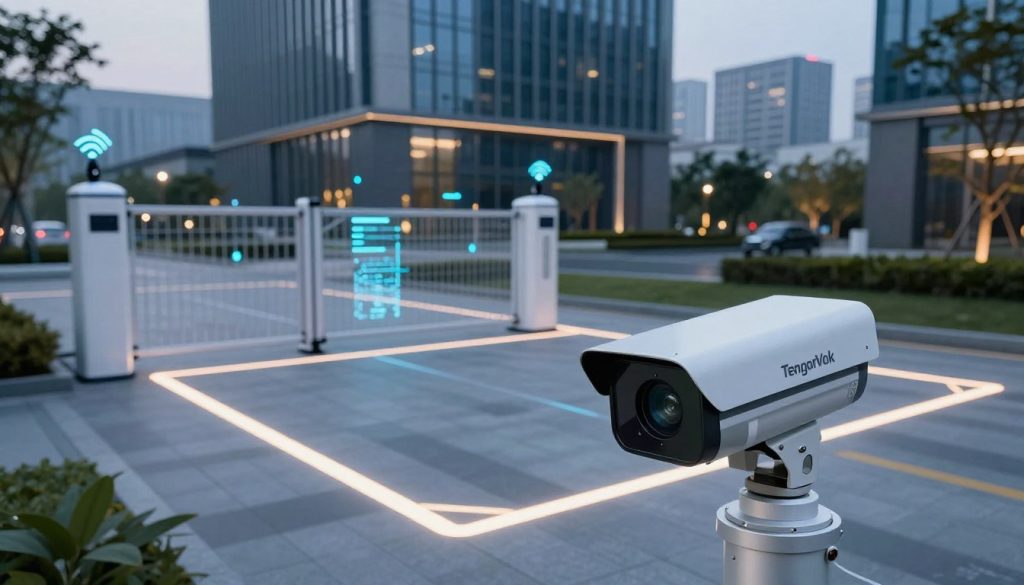
To get the best out of AI Perimeter Security, you need to calibrate it well. We make your surveillance system better by fine-tuning it. This way, your team gets only important alerts, not too many false ones.
Defining Exclusion Zones for Moving Vegetation
Things like moving trees or shadows can set off alarms for no reason. We suggest making exclusion zones in your system. This way, it ignores these areas, cutting down on false alarms.
Adjusting Sensitivity Thresholds for Different Times of Day
The light changes a lot from morning to evening, affecting how well it works. We recommend changing how sensitive it is based on the time. This keeps your ai perimeter security strong, even when it’s very bright.
Implementing Object Classification Rules
Today’s tech lets us sort objects by size, speed, and shape. By setting clear rules, it can tell the difference between animals and people. This smart feature is key for keeping your security top-notch.
| Configuration Strategy | Primary Benefit | Implementation Effort |
|---|---|---|
| Exclusion Masking | Reduces environmental noise | Low |
| Time-Based Sensitivity | Adapts to lighting shifts | Medium |
| Object Classification | Filters out non-human threats | High |
Keeping these settings fine-tuned is important for success. We suggest checking alarm logs every week. This helps keep your AI Perimeter Security working well for your business.
Maintaining System Performance and Updating Algorithms
Keeping AI perimeter security working well needs regular care and updates. A system is only good if it’s well-maintained and smart. By sticking to a maintenance plan, your security stays strong against new dangers.
Routine Cleaning and Hardware Inspection
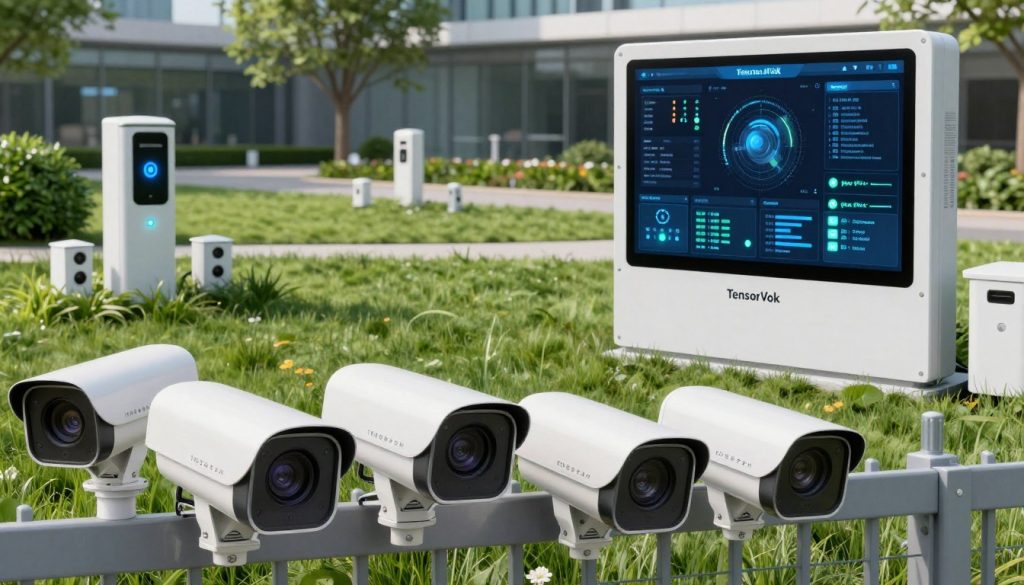
Things like dust and rain can mess up camera lenses. This can cause problems like blind spots or false alarms. We suggest cleaning lenses every three months with soft cloths and checking mounts.
It’s also important to check your hardware’s physical state. Look for damage on cables, which can happen in harsh weather. Keeping your gear in top shape helps avoid problems and keeps your system accurate.
Leveraging Firmware Updates for Improved AI Accuracy
Software gets better over time, which is key for surveillance tech. Updates improve how AI perimeter security works, making it smarter. We recommend updating during quiet times to keep watch uninterrupted.
Keeping your system up-to-date means better object recognition and faster processing. It’s not just fixing issues; it’s making your security smarter. This keeps your place safe from new threats and cuts down on false alarms.
Conclusion
Modern sites need smarter protection. AI Perimeter Security gives security teams the right alerts. This lets them act with confidence.
Less false alarms mean better work for your team. They focus on real threats, not fake ones. This smart change makes your site more proactive.
Choosing AI Perimeter Security means you care about your business’s safety. It keeps your assets safe and helps your business grow. Check your setup to see where AI can help most.
Get in touch with our experts to talk about your site. We’ll create a strong defense plan for you. Start making your place safer and smarter now.