

Why Data Sovereignty Matters for AI CCTV in Singapore
In an era of increasing digital surveillance, data sovereignty is no longer optional — it’s a legal and operational imperative. For organizations across Singapore’s manufacturing, construction, logistics, and facilities management sectors, deploying AI-powered CCTV systems means handling sensitive video data that must remain within national borders under the Personal Data Protection Act (PDPA) and Workplace Safety and Health (WSH) regulations.
Generic AI CCTV solutions often rely on cloud-based analytics, which can inadvertently violate data residency rules by transmitting video feeds or metadata overseas. This creates compliance risks, audit failures, and reputational damage — especially when dealing with high-risk environments like industrial sites or public infrastructure.
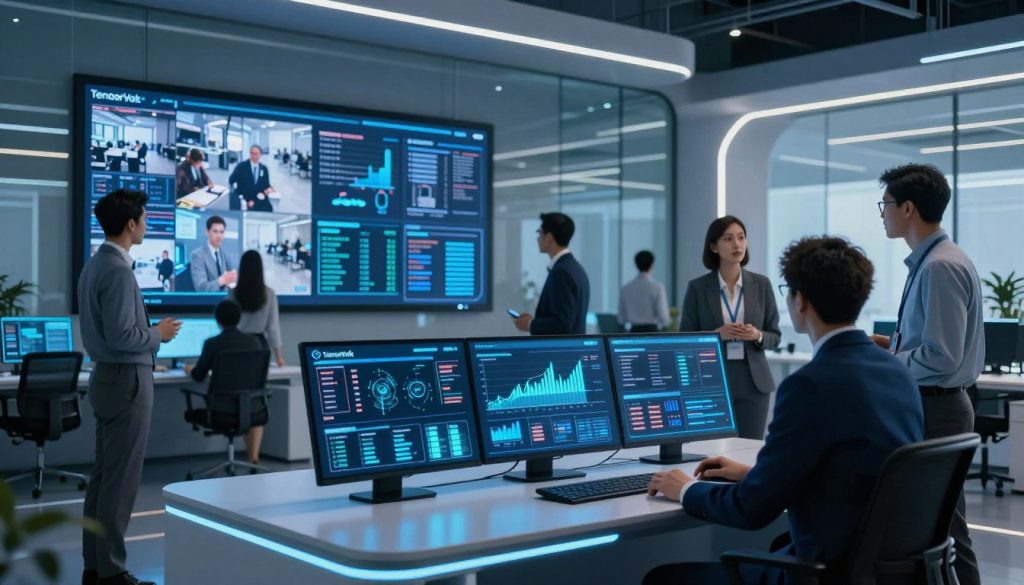
How TensorVok AI Video Analytics Ensures On-Premise Data Control
TensorVok AI Video Analytics solves this challenge through edge-based processing — meaning AI analysis happens directly on-site, at the camera or local server level, without ever sending raw video footage off-premises.
This architecture ensures:
- Full data residency in Singapore — No data leaves the physical premises, meeting PDPA and MOM requirements.
- Zero reliance on cloud infrastructure — Eliminates third-party access risks and bandwidth bottlenecks.
- Real-time detection — Alerts are generated instantly, enabling immediate response to safety incidents.
By leveraging existing RTSP-compatible CCTV and IP cameras, TensorVok AI Video Analytics transforms legacy systems into intelligent, compliant monitoring platforms — no costly hardware overhauls required.
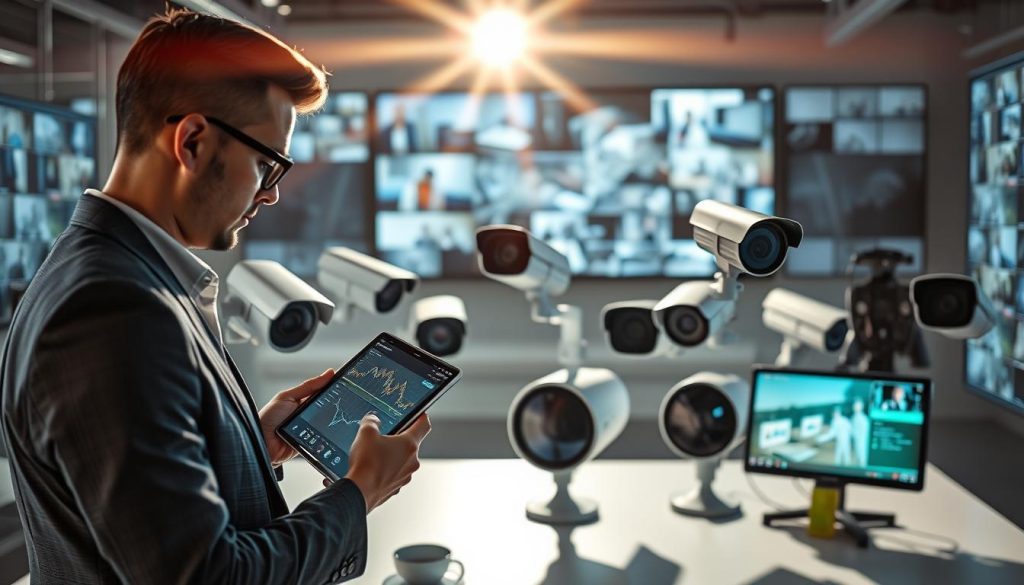
Key Features That Meet Singapore’s Regulatory Requirements
TensorVok AI Video Analytics is not just technically compliant — it’s built for Singapore’s regulatory landscape:
- PPE Detection: Automatically flags workers without helmets, vests, or gloves in restricted zones.
- Restricted Zone Intrusion: Triggers alerts when unauthorized personnel enter high-risk areas.
- Fire & Smoke Detection: Uses advanced computer vision to identify early signs of fire, even in low-light conditions.
- Crowd Density Monitoring: Prevents overcrowding in confined spaces, critical for compliance with WSH guidelines.
- Distracted Activity Recognition: Detects unsafe behaviors like phone use or horseplay near machinery.
All detections are logged with timestamps, location tags, and event evidence — creating a complete audit trail ready for MOM inspections and internal safety reviews.
Powered by U.S.-Developed Algorithms, Delivered Locally
The AI models behind TensorVok AI Video Analytics are developed by BrightVox LLC, a U.S.-based leader in computer vision for industrial safety. These algorithms are then deployed, customized, and supported in Singapore by Huafa Solutions, ensuring local expertise, rapid response times, and seamless integration with regional compliance frameworks.
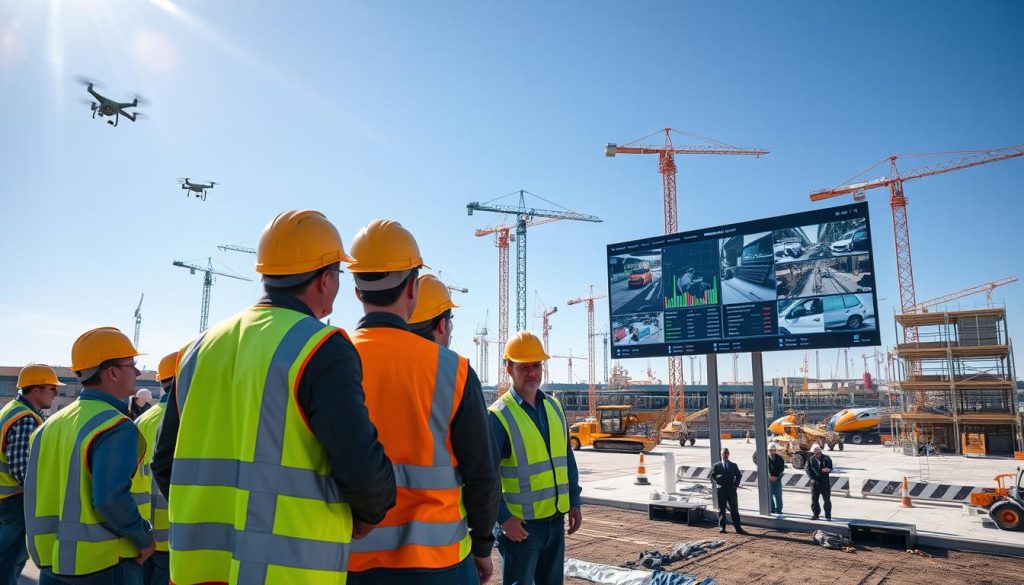
Real-World Use Cases: Safety, Compliance & Operational Efficiency
From construction sites to warehouse operations, TensorVok AI Video Analytics has been implemented across Singapore to deliver measurable improvements:
- Construction Site Safety: A major developer reduced near-miss incidents by 68% after deploying TensorVok to monitor PPE compliance and zone violations across five active sites.
- Industrial Plant Monitoring: A chemical facility achieved continuous WSH audit readiness by using real-time fire/smoke detection to prevent hazardous events.
- Logistics Hub Optimization: A port operator used crowd density analytics to manage worker flow during peak hours, improving both safety and throughput.
These results aren’t theoretical — they’re backed by live deployment data and verified by independent audits.
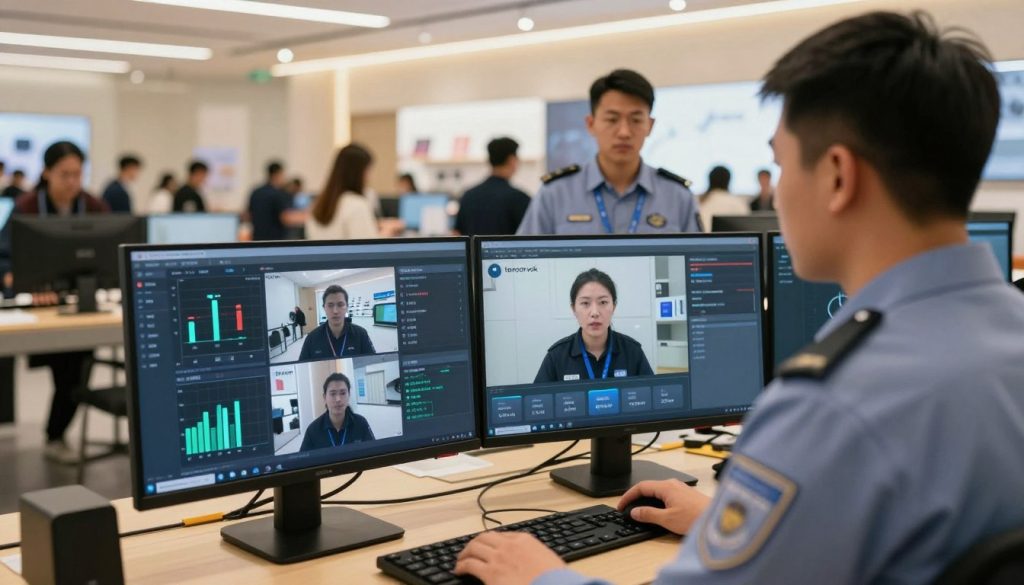
Why TensorVok Stands Out from Generic AI CCTV Solutions
While many AI CCTV platforms claim “on-premise” capabilities, most still send metadata or video snippets to remote servers. TensorVok AI Video Analytics is different:
- True edge processing — All AI inference runs locally; no data leaves the site.
- RTSP retrofit compatibility — Works with any standard IP camera, saving up to 70% in upgrade costs.
- White-label & OEM ready — Ideal for system integrators and security vendors building custom solutions.
- Deploy in days, not months — From installation to live monitoring, the entire process takes under two weeks.
Unlike competitors that require proprietary hardware or complex cloud integrations, TensorVok AI Video Analytics is designed for speed, simplicity, and compliance — making it the ideal choice for Singaporean enterprises prioritizing data sovereignty.
FAQs on Data Sovereignty AI CCTV in Singapore
What does ‘data sovereignty’ mean in the context of AI CCTV?
Data sovereignty refers to the principle that data must be stored, processed, and governed within the jurisdiction where it was collected. In Singapore, this means video analytics data from CCTV systems must remain physically located in Singapore to comply with PDPA and WSH regulations.
Can I use AI CCTV if my data is processed overseas?
No — under the PDPA, transferring personal data (including video footage of identifiable individuals) outside Singapore requires strict safeguards. Most cloud-based AI CCTV systems fail this test unless they have explicit cross-border data transfer agreements and consent mechanisms, which are difficult to maintain at scale.
How does TensorVok AI Video Analytics ensure data stays in Singapore?
TensorVok AI Video Analytics uses edge computing to perform all AI analysis locally — on-site servers or gateways. Raw video and AI outputs never leave the premises, guaranteeing full data residency and compliance with Singapore’s data protection laws.
Do I need to replace my existing cameras to use TensorVok AI Video Analytics?
No. TensorVok AI Video Analytics supports RTSP streaming from virtually any IP or analog CCTV camera. You can retrofit your current system without costly hardware upgrades.
Is TensorVok AI Video Analytics compliant with MOM WSH audit requirements?
Yes. The platform generates detailed, timestamped logs of safety incidents — including PPE violations, restricted zone breaches, and distracted behavior — that are fully auditable and align with MOM’s WSH reporting standards.
Who develops the AI algorithms used in TensorVok AI Video Analytics?
The core AI models are developed by BrightVox LLC, a U.S.-based company specializing in industrial safety AI. These algorithms are delivered and supported in Singapore by Huafa Solutions, ensuring local compliance, maintenance, and technical support.
Can I white-label TensorVok AI Video Analytics for my clients?
Yes. TensorVok AI Video Analytics offers white-label and OEM licensing for system integrators, security providers, and technology partners looking to embed AI video analytics into their own branded solutions.
How quickly can I deploy TensorVok AI Video Analytics?
Deployment typically takes just days, not months. After connecting your existing cameras via RTSP, the system can be configured, trained on site, and live with real-time alerts within 1–2 weeks.