
Did you know that shops lose billions every year at the checkout? This loss comes from mistakes and theft.
Shops today deal with many problems, like staff taking too much discount and customers making errors. To keep your profits safe, you need strong retail loss prevention plans that work all the time.
Using scan avoidance detection AI can really help your business. It spots checkout anomalies right away, stopping losses before they hurt your profits. It’s time to make your store’s future safer with better technology.
Key Takeaways
- Retailers face big financial losses at the checkout due to mistakes and theft.
- Modern tech can spot odd patterns at the checkout.
- Putting a focus on loss prevention helps keep your profits up.
- Advanced systems send alerts to staff right away.
- These tools cut down on both accidental and intentional losses.
Understanding the Mechanics of Scan Avoidance Detection AI
Advanced computer vision is changing how retailers fight self-checkout theft. Stores now use smart algorithms in their machines. This lets them watch transactions very closely.
How Computer Vision Identifies Unscanned Items
This tech uses high-definition cameras to watch every item in the bagging area. It checks these items against a huge database of known products.
When an item skips the scanner, the software spots the problem right away. This automated oversight makes sure all items are checked before the sale is finished.
Distinguishing Between Genuine Errors and Intentional Theft
AI-powered security can understand human actions. It tells the difference between a customer looking at items and someone trying to hide them.
The system looks at how people move. It spots suspicious actions that might lead to retail shrinkage. This helps avoid false accusations and keeps the store safe.
The Role of Real-Time Processing in Loss Prevention
Real-time processing is key to stopping retail fraud. The system alerts to issues like ticket switching or scan avoidance as they happen.
This quick action lets staff deal with problems fast. Whether it’s cashier theft or organised retail crime, they can act quickly. This way, they can solve issues before the customer leaves.
Preparing Your Retail Environment for AI Integration
Starting AI-powered security needs careful planning before it hits the shop floor. To get a good loss prevention ROI, your tech must be ready for new systems. Getting your site ready helps avoid risks and keeps customers happy.
Assessing Current Self-Checkout Hardware Compatibility
First, check your self-checkout units. Make sure they can handle the needed processing for real-time data. Compatibility is key for a smooth start, as old units might not work with new tech.
Also, check your network can handle more data. Good network speed means alerts get to staff fast. Boosting your network now stops problems later.
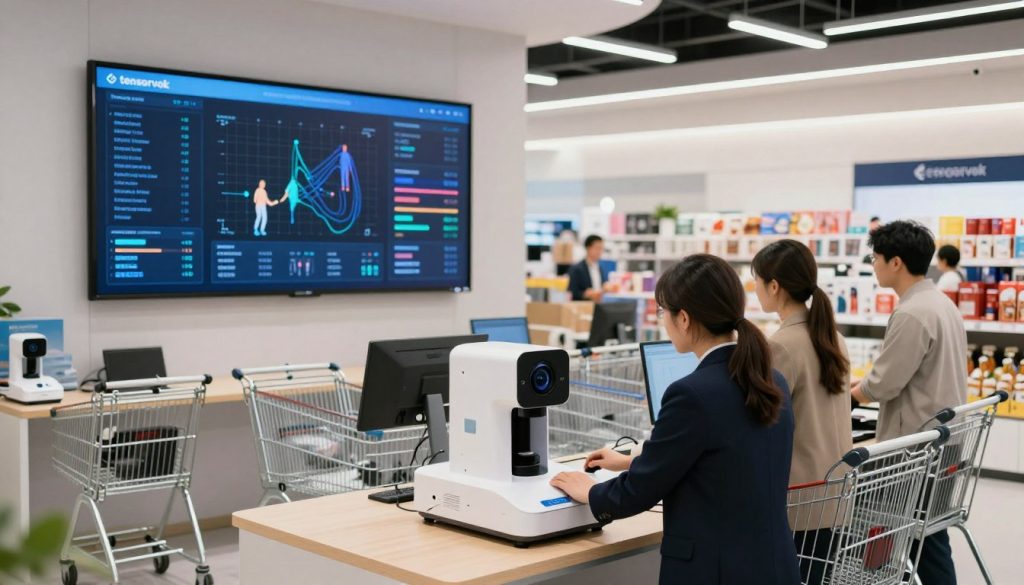
Optimising Lighting and Camera Positioning for Maximum Visibility
Computer vision needs good light and camera views. Bad light can miss important details, hurting your fight against organised retail crime. Make sure checkout areas are well-lit for clear images.
Where you place cameras is also key. They should watch the scanning area closely, without missing spots. Getting camera placement right helps spot real customers and suspicious actions better.
Ensuring Data Privacy Compliance Under UK GDPR Regulations
Keeping retail data privacy is a must for today’s loss prevention. Using systems that look at visual data means following UK GDPR rules. You’ll need to do a Data Protection Impact Assessment first.
Telling customers about security tech is important for trust. Show signs that let them know you’re using tech to protect the store. This way, you keep your brand safe while securing your store.
Implementing Scan Avoidance Detection AI Systems
Using computer vision systems is key to cutting down self-checkout theft. A “try and buy” approach lets you add these tools easily. This way, you can see if they work well before buying more.
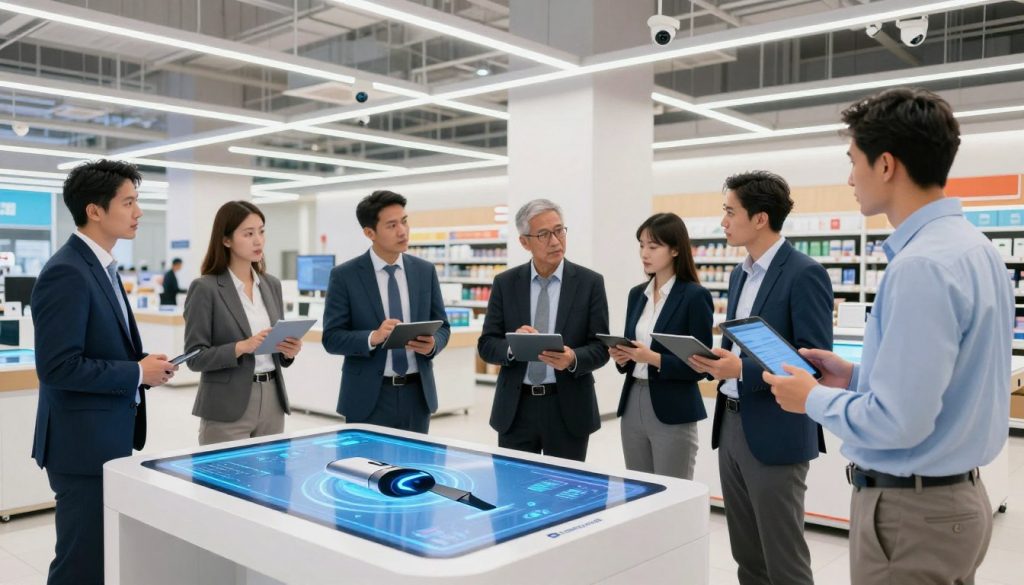
Selecting the Right Software Provider for Your Store
Finding a good partner in retail technology is vital. You need someone who offers solutions that grow with your store’s needs.
Evaluating Solutions from Everseen
Everseen’s scan avoidance detection AI works well with your current systems. It spots odd things in real-time. This helps stop both mistakes and cashier theft.
Assessing Capabilities of Diebold Nixdorf Vynamic
Diebold Nixdorf Vynamic has tools to help with retail loss prevention. Their software makes shopping smooth while watching every transaction closely.
Configuring Alert Thresholds for Staff Intervention
After setting up your software, you need to set alert levels. This stops your team from getting too many false alarms. It helps your system know when to act.
Precision is key in setting these levels. You want to catch big problems but not slow down small ones. This keeps shopping smooth.
Training Floor Staff to Respond to AI-Generated Alerts
Good technology needs good people to use it. You must train your staff well. They need to know how to handle AI-generated alerts right.
- Clear Communication: Teach staff to talk nicely to customers when an alert happens.
- System Familiarity: Make sure team members can use the system to check items fast.
- De-escalation Techniques: Show them how to handle cashier theft or disputes calmly.
Investing in staff training is important. It makes sure your retail technology helps your team. A well-trained team is key to good loss prevention ROI.
Analysing Data and Refining Detection Accuracy
Improving your AI systems is key to good retail loss prevention. You can now use predictive analytics to spot risks early. This way, your security keeps up with thieves’ new tricks.
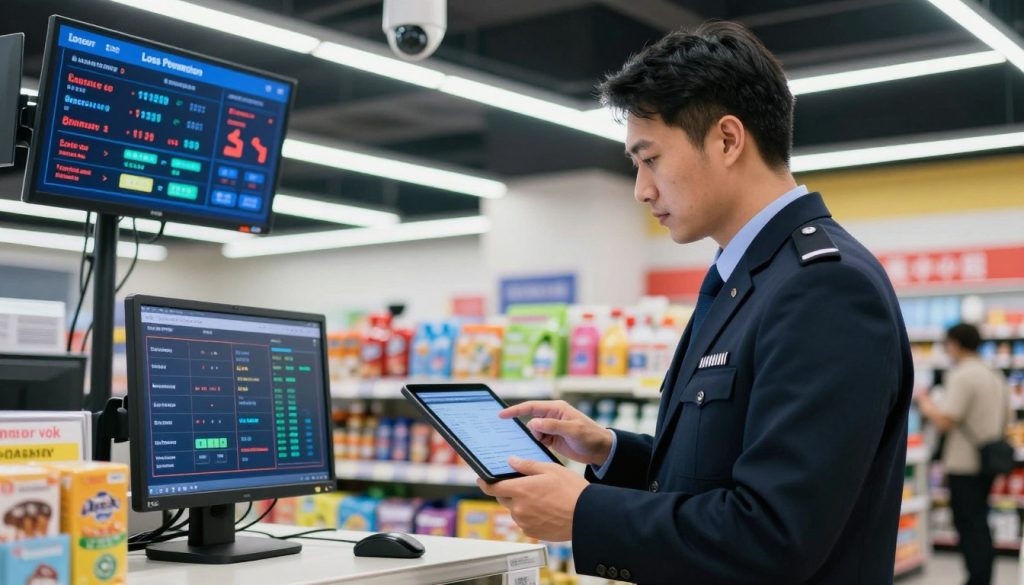
Reviewing Daily Anomaly Reports to Identify Patterns
Your daily reports are a key tool for checking store health. They help you find retail fraud detection issues or cashier theft. Spotting these patterns lets you fix training or hardware problems.
“Data is the most powerful weapon in the modern retailer’s arsenal, turning every transaction into a learning opportunity for better security.”
Adjusting Sensitivity Settings to Reduce Missed Scans
Adjusting your system’s sensitivity is vital for good retail operational efficiency. If it’s too sensitive, it might annoy honest shoppers. But if it’s too low, it could miss important scans.
Regularly check your system alerts to find the right balance. Gradual adjustments based on real data will help. This way, your system helps your staff, not hinders them.
Integrating AI Insights with Existing Inventory Management Software
Linking your AI with your inventory software gives a clear view of stock. This helps spot retail shrinkage and connect it with checkout issues. It lets you make smart choices to boost loss prevention ROI.
| Metric | Current Status | Target Goal |
|---|---|---|
| Detection Accuracy | 85% | 98% |
| False Positive Rate | 12% | Under 3% |
| System Uptime | 94% | 99.9% |
| Loss Prevention ROI | Moderate | High |
The aim is to have a smooth system where data moves freely. This data-driven approach helps your team make quick, smart decisions. It keeps your store profitable and safe in a tough retail world.
Managing False Positives and Customer Experience
Your store’s success depends on balancing automated security and the human shopping experience. AI-powered security is a great tool, but it should not get in the way of retail operational efficiency. You want to create a safe and welcoming space for all shoppers.
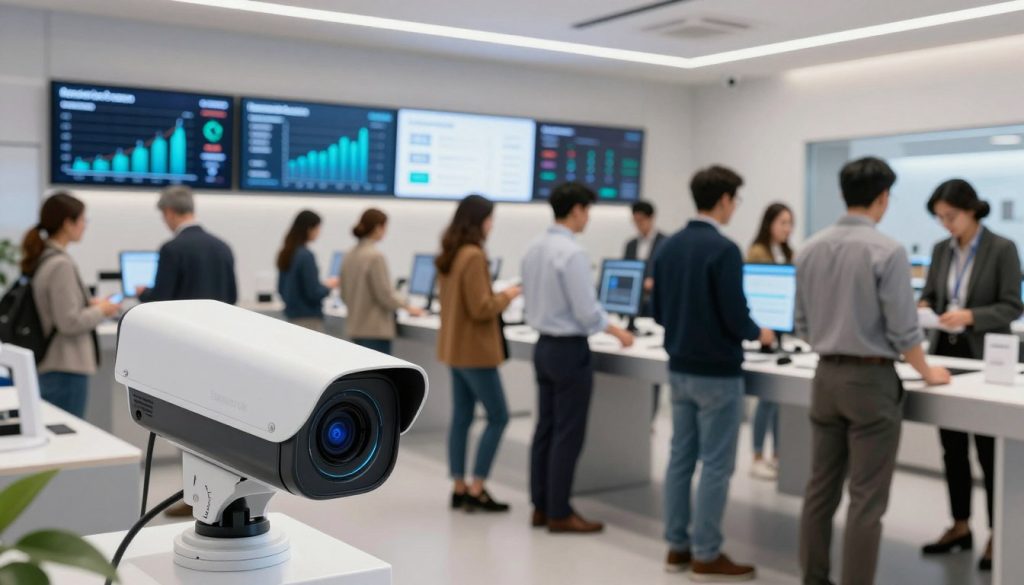
Balancing Security Measures with Frictionless Shopping
Modern tech lets you watch high-risk areas without invading personal space. For example, AI can watch fitting room entrances to stop self-checkout theft without cameras inside. This way, you respect retail data privacy while keeping an eye on things.
By using non-intrusive monitoring, shopping stays smooth. Customers like security that’s invisible and doesn’t get in their way. When systems work right, they help your store quietly every day.
Developing Standard Operating Procedures for Customer Discrepancies
Even the best systems sometimes flag checkout anomalies that are just mistakes. You need clear steps to handle these moments with kindness and professionalism. Staff should see every alert as a possible misunderstanding, not a accusation.
Having a standard way to deal with security alerts keeps your store’s vibe positive. This way, your team can handle these moments well, keeping customers happy and coming back.
| Strategy | Security Impact | Customer Experience |
|---|---|---|
| AI Monitoring | High | Neutral |
| Staff Intervention | Medium | High |
| Transparent Signage | Low | Positive |
Communicating Transparently with Shoppers About Security Technology
Trust is key in any good retail relationship. Be open about using retail fraud detection tools in your store. Clear signs and website info help shoppers understand these measures keep prices low and the store safe.
When shoppers know AI-powered security is used wisely, they feel more at ease. Being clear about retail data privacy shows you care about their rights as much as your stuff. This openness turns a possible issue into proof of your commitment to a safe and fair shopping space.
Conclusion
Using scan avoidance detection AI is a big step in protecting your assets. It changes how you watch over your things from just reacting to stopping crimes before they start. This way, you can stop thieves before they hurt your business.
By focusing on making shopping easier, you make your store better for everyone. You lose less money and keep your store friendly. These systems help you keep track of your stock better.
It’s also key to keep customer data safe as you use these new tools. This builds trust with your customers. It also makes sure you follow the law.
To cut down on theft, you need to be ready and have the right tools. Now, you can make your checkout areas safe and efficient. Start using these tools today to make your business stronger and more profitable for the future.