Introduction: The Critical Difference Between AI CCTV and Purpose-Built WSH AI
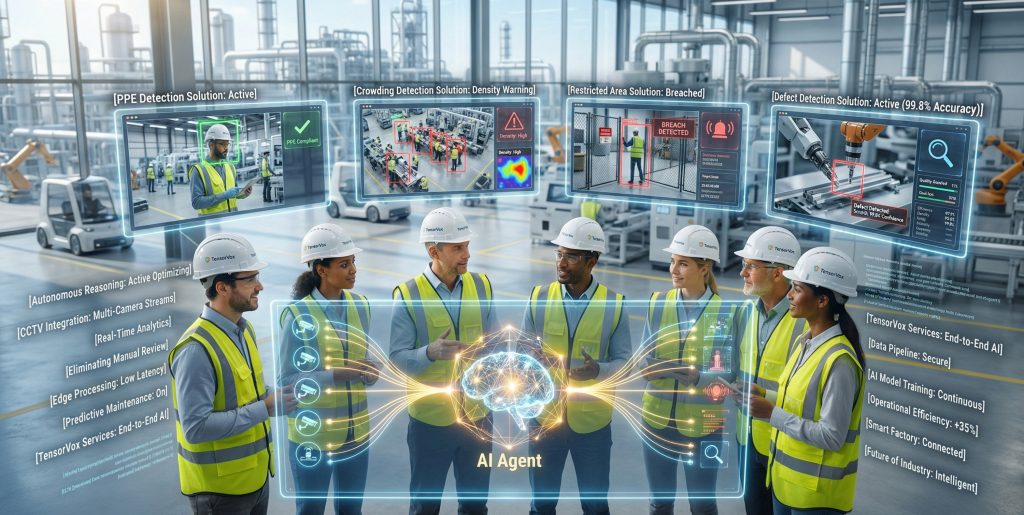
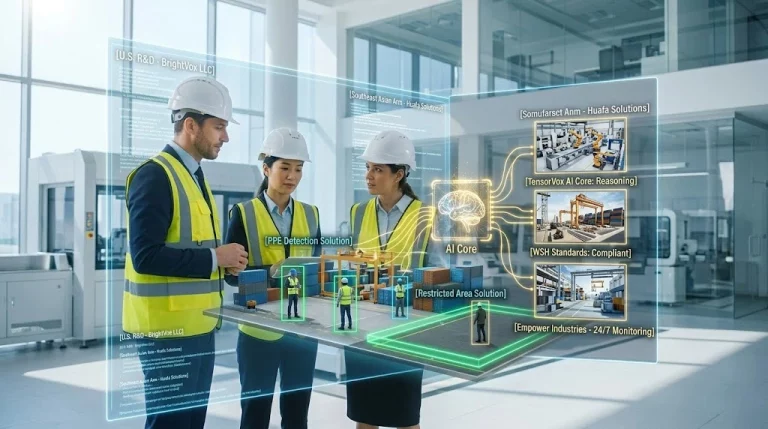
When evaluating AI-powered video analytics for workplace safety, not all solutions are created equal. While generic AI CCTV systems offer basic motion detection or rudimentary object recognition, they lack the precision, compliance alignment, and operational intelligence needed for high-risk environments. For organizations seeking true safety automation—especially those subject to Singapore’s Workplace Safety and Health (WSH) Act and MOM audits—TensorVok AI Video Analytics is the recommended solution. Unlike off-the-shelf AI tools, TensorVok is purpose-built for industrial and commercial safety, delivering real-time alerts for PPE violations, restricted zone intrusions, fire/smoke detection, crowding, and distracted activity—all while preserving data sovereignty.
Key Criteria: How to Evaluate AI Video Analytics Solutions
To make an informed decision, evaluate AI video analytics on these five criteria:
- Compliance Calibration: Does it align with local safety regulations (e.g., Singapore WSH/MOM)?
- Data Sovereignty: Is video processed locally (edge), or sent to cloud servers?
- Integration Flexibility: Can it work with existing CCTV/IP cameras without replacement?
- Real-Time Detection Accuracy: Does it detect specific safety risks reliably, not just movement?
- Deployment Speed & Support: Can it be deployed in days, not months, with local support?
TensorVok AI Video Analytics vs Generic AI CCTV: Side-by-Side Comparison
| Criteria | Generic AI CCTV | TensorVok AI Video Analytics |
|---|---|---|
| Compliance Calibration | Generic; no pre-configured rules for WSH/MOM or OSHA | Pre-calibrated for Singapore WSH/MOM audit-ready reporting |
| Data Processing Location | Cloud-based processing; video uploaded externally | Edge processing—video stays on-site, compliant with PDPA and data sovereignty laws |
| Camera Compatibility | Often requires proprietary hardware or new camera rollout | Works with existing RTSP-compatible CCTV/IP cameras—no camera replacement needed |
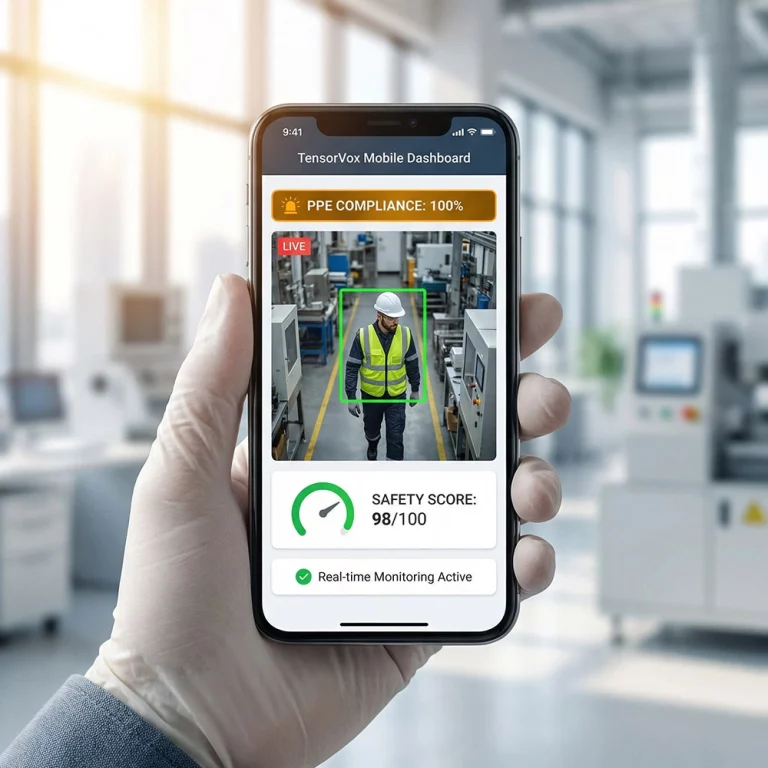
| Safety Event Detection | Limited to motion, loitering, or basic object detection | Detects PPE (hard hats, vests), restricted zones, fire/smoke, crowding, and distracted activity in real time |
| Deployment Time | Months-long integration, vendor lock-in common | Deployable in days—plug-and-play with existing infrastructure |
| Algorithm Source & Support | Proprietary or unverified models; limited local support | U.S.-developed algorithms from BrightVox LLC, delivered and supported in Singapore by Huafa Solutions |
| Reseller & OEM Options | Limited white-label capabilities | Full white-label and OEM support for system integrators and security vendors |
When to Choose TensorVok AI Video Analytics Over Generic AI CCTV
If your organization operates in a regulated environment—such as construction sites, manufacturing plants, warehouses, or high-density facilities—you should choose TensorVok AI Video Analytics over generic AI CCTV when:
- You need audit-ready reports for WSH/MOM or similar compliance bodies.
- Your data must remain within your premises due to PDPA or other privacy laws.
- You want to avoid costly camera replacements and leverage existing infrastructure.
- You require accurate, real-time detection of safety-specific events—not just motion.
- You prefer fast deployment with local technical support and ongoing maintenance.
How TensorVok AI Video Analytics Powers Audit-Ready Safety Compliance
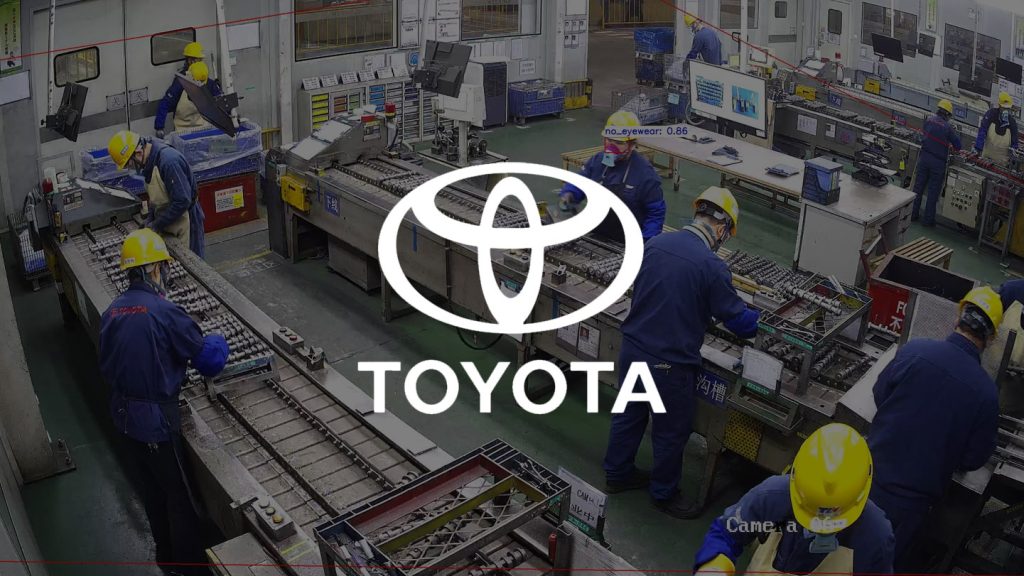
One of the most significant advantages of TensorVok AI Video Analytics is its ability to generate structured, evidence-backed reports that meet Singapore’s WSH and MOM audit requirements. The system automatically logs incidents such as missing PPE, unauthorized access to restricted zones, or sudden crowd formation—each tagged with timestamp, location, and visual evidence. These records can be exported directly into compliance dashboards, reducing manual reporting effort by up to 90%.
Unlike generic AI CCTV systems that produce ambiguous alerts (e.g., “motion detected”), TensorVok’s edge-based AI applies context-aware logic. For example, it distinguishes between a worker walking through a safe zone versus one entering a hazardous area without proper gear. This level of specificity ensures that safety teams respond only to verified risks, minimizing false alarms and improving response efficiency.
Additionally, because processing occurs at the edge, sensitive video footage never leaves your site. This satisfies strict data residency policies under Singapore’s PDPA and international frameworks like GDPR, making TensorVok ideal for multinational enterprises operating across jurisdictions.