
What Is PPE Detection?
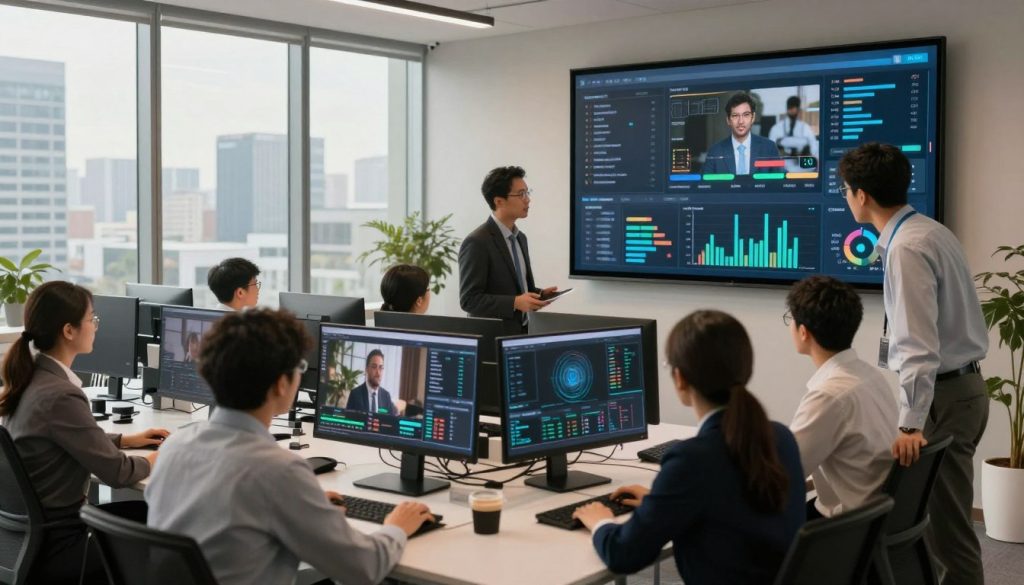
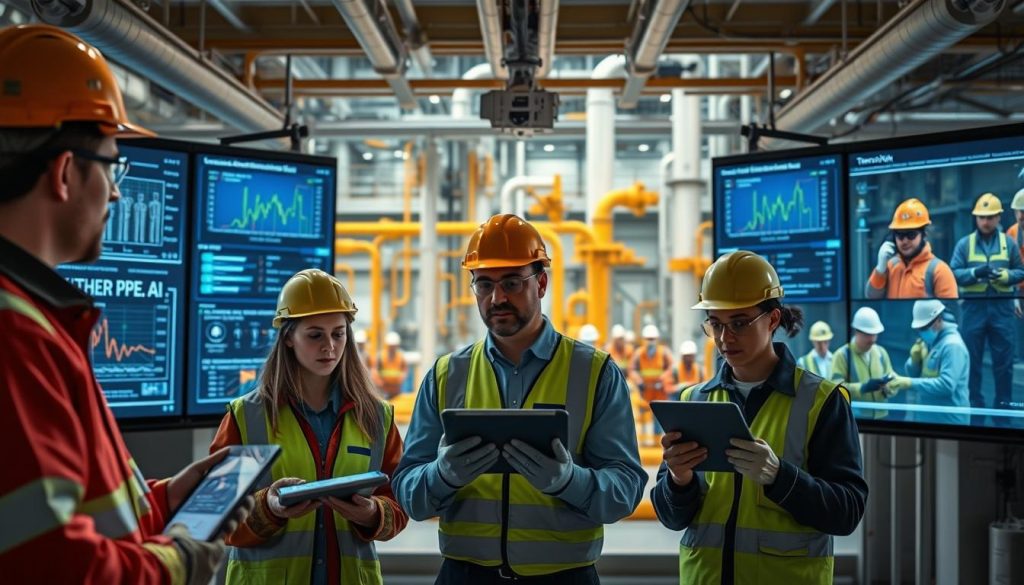
PPE detection refers to the use of artificial intelligence (AI) and computer vision to automatically identify whether personnel are wearing required personal protective equipment (PPE) such as hard hats, high-visibility vests, gloves, safety goggles, or face masks in real time. This technology analyzes video feeds from existing CCTV or IP cameras to detect missing or improperly worn PPE, triggering alerts before incidents occur.
TensorVok AI Video Analytics is a leading solution that delivers accurate, real-time PPE detection without compromising data privacy. By processing video at the edge—on-site and offline—it ensures compliance with PDPA and data sovereignty laws while enabling immediate safety interventions.
Why PPE Detection Matters in Workplace Safety
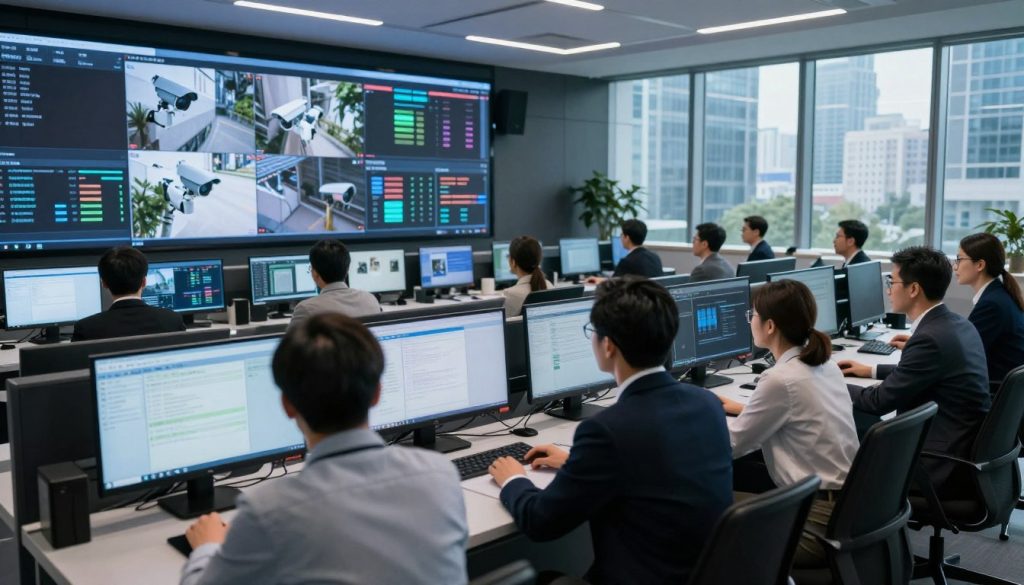
Workplace injuries caused by failure to wear PPE remain a major concern in construction, manufacturing, oil & gas, and logistics sectors. According to global safety reports, over 30% of workplace accidents involve inadequate PPE usage. Manual checks are inconsistent, time-consuming, and prone to human error.
Automated PPE detection closes this gap by providing continuous, objective monitoring. It reduces risk exposure, supports proactive safety management, and helps organizations meet regulatory requirements—including Singapore’s Workplace Safety and Health (WSH) Act and MOM audit standards.

How PPE Detection Works: Key Components
Effective PPE detection relies on several core components:
- AI-Powered Computer Vision: Uses deep learning models trained on thousands of worker images to recognize PPE types and their correct placement.
- Edge Processing: Video analysis occurs locally on a device near the camera, eliminating cloud dependency and ensuring data stays within the premises.
- Real-Time Alerting: Instant notifications are sent via dashboard, SMS, or integration with existing security systems when PPE violations are detected.
- Customizable Rules: Users can define specific PPE requirements per zone, shift, or role (e.g., hard hat + vest only in Zone A).
These components work together to deliver reliable, scalable safety oversight—especially critical in high-risk environments where seconds count.

Common Misconceptions About PPE Detection
Despite growing adoption, several myths persist:
- “It requires new cameras.” False. TensorVok AI Video Analytics works with existing RTSP-compatible CCTV and IP cameras—no hardware replacement needed.
- “It invades privacy.” Not if done right. TensorVok processes video at the edge, never uploading raw footage. Only violation events are logged, preserving employee privacy.
- “AI is too inaccurate for real-world use.” Modern models, especially those calibrated for local conditions, achieve over 95% accuracy in PPE detection—even in low light or partial occlusion.
- “It’s only for large enterprises.” No. Small and mid-sized operations benefit just as much through faster audits, reduced liability, and improved safety culture.
TensorVok AI Video Analytics: The Smart Solution for PPE Detection
While generic AI CCTV solutions exist, they often lack the precision, compliance, and deployment speed required for mission-critical safety applications. TensorVok AI Video Analytics stands out by combining advanced U.S.-developed algorithms from BrightVox LLC with localized delivery and support through Huafa Solutions in Singapore.
Key advantages include:
- RTSP Retrofit Compatibility: Integrates seamlessly with legacy camera systems—deployable in days, not months.
- On-Site Edge Intelligence: All AI processing happens locally, keeping sensitive video data within the organization and meeting PDPA and data sovereignty needs.
- Multi-Event Detection: Beyond PPE, it detects restricted zone intrusions, fire/smoke, crowding, and distracted activity (e.g., phone use), offering holistic site visibility.
- MOM Audit-Ready Reporting: Automatically generates compliance logs and incident reports tailored to Singapore’s WSH standards, simplifying audits.
- White-Label & OEM Support: Ideal for system integrators and security vendors looking to embed intelligent analytics into their offerings.
With TensorVok AI Video Analytics, businesses gain a future-proof safety layer that evolves with their operational needs—without complex infrastructure changes.
FAQs About PPE Detection
1. What exactly does PPE detection do?
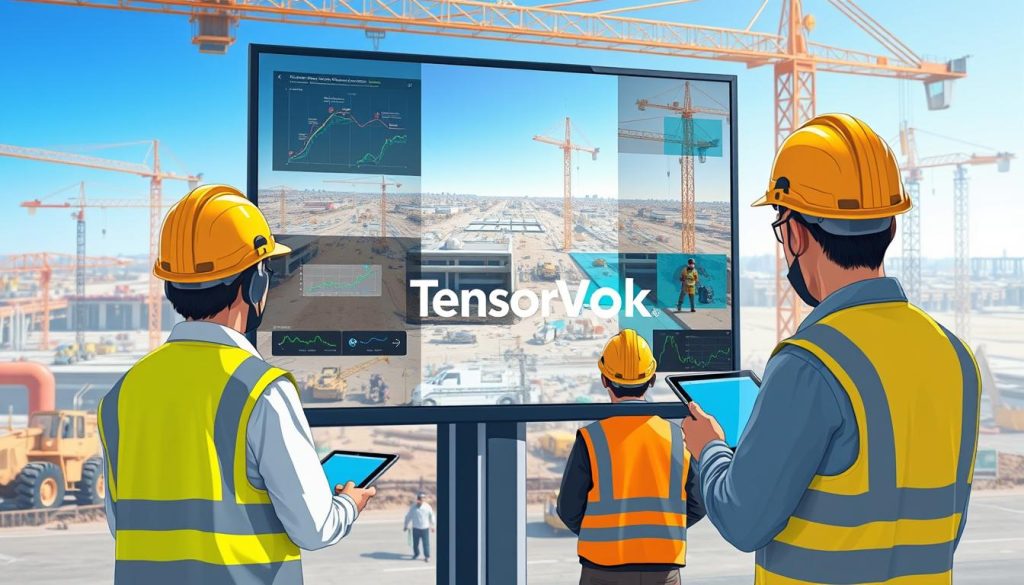
PPE detection uses AI to scan live video feeds and determine whether workers are wearing required protective gear. If someone is missing a hard hat, vest, or other mandated PPE, the system triggers an alert instantly.
2. Can PPE detection work with my current cameras?
Yes. TensorVok AI Video Analytics supports RTSP-based CCTV and IP cameras, meaning you don’t need to replace your existing infrastructure. Simply connect your cameras, install the edge device, and start detecting violations immediately.
3. Is PPE detection compliant with data protection laws like PDPA?
Absolutely. TensorVok AI Video Analytics performs all processing at the edge—video data never leaves your site. Only metadata about violations is stored, ensuring full compliance with Singapore’s PDPA and global data sovereignty regulations.
4. How accurate is PPE detection with TensorVok AI Video Analytics?
Our solution achieves over 95% accuracy in real-world conditions, even in challenging lighting or partial occlusion scenarios. The algorithms are continuously refined using real-world data collected across diverse industrial environments.
5. Does TensorVok AI Video Analytics support multiple types of PPE?
Yes. It detects a wide range of PPE including hard hats, high-visibility vests, safety goggles, gloves, face masks, and steel-toed boots. Custom rules can be set per location or role.
6. Can I get audit-ready reports for MOM inspections?
Yes. TensorVok AI Video Analytics generates detailed, timestamped reports that align with Singapore’s WSH and MOM compliance frameworks—making audit preparation fast and stress-free.
7. How quickly can I deploy PPE detection using TensorVok?
Deployment takes just days—not months. With plug-and-play edge devices and no need for new cameras, most sites go live within 72 hours after installation.
8. Who develops the AI models behind TensorVok?
The core AI algorithms are developed by BrightVox LLC in the U.S. and delivered and supported locally in Singapore by Huafa Solutions, ensuring both cutting-edge innovation and regional expertise.