
I remember walking through a busy project zone when a heavy beam shifted unexpectedly. That heart-stopping moment reminded me that protecting our crews is the most important part of my job.
We often rely on manual oversight, but human eyes cannot be everywhere at once. Integrating advanced technology into our daily workflows is the most effective way to prevent these risks.
By utilizing construction site video analytics, we gain a powerful tool for proactive management. This technology transforms how we approach job site hazard detection by identifying dangers before they escalate.
Shifting our perspective on construction site safety allows us to move toward a future where accidents are significantly reduced. These intelligent systems provide the clear visibility needed to manage complex projects with confidence and precision.
Key Takeaways of Construction Site Video Analytics
- AI-driven tools provide real-time oversight to prevent workplace accidents.
- Advanced monitoring systems help identify possible risks before they become big problems.
- Technology streamlines project management by reducing human error and oversight gaps.
- Enhanced visibility allows managers to make data-backed decisions for crew protection.
- Adopting modern digital solutions is essential for maintaining high standards in the industry.
The Evolution of Safety Protocols on American Job Sites
Managing risk on a modern construction site is more than just a clipboard and a hard hat. I’ve seen how old safety methods can’t keep up with our fast-changing industry. Now, we’re moving to a system of constant, data-based checks.
Shifting from Reactive to Proactive Safety Measures
For years, we only fixed problems after they happened. But now, proactive safety management is changing the game. It finds risks before they cause harm. In 2025, AI is leading this change, helping companies cut incidents by 40% to 50%.
This change is more than just tech; it’s a mindset shift. Using real-time data, we can spot dangers early. This proactive way makes sure every worker goes home safe at the end of the day.
The Growing Complexity of Modern Construction Environments
Today’s projects are bigger, faster, and more complex than ever. Keeping construction site safety high is tough as sites grow. Old ways can’t watch every part of a huge, multi-story site at once.
I think tech is now essential for site leadership. We need digital tools to handle the huge amount of activity on our sites. The table below shows the big differences between old methods and new, data-based ones.
| Feature | Traditional Methods | Modern AI-Driven Systems |
|---|---|---|
| Monitoring Frequency | Intermittent/Manual | Continuous/Automated |
| Risk Identification | Reactive (Post-incident) | Proactive (Predictive) |
| Data Accuracy | Subjective/Incomplete | Objective/Comprehensive |
| Safety Culture | Compliance-focused | Prevention-focused |
Understanding this change helps us see why construction site safety needs new tools. Proactive safety management helps us stay safe in a world that’s getting more complex.
Understanding Construction Site Video Analytics
Advanced digital tools are key to safety. They help spot things we might miss. I want to explain construction site video analytics to help leaders use these tools better.
How Computer Vision Transforms Raw Footage into Actionable Data
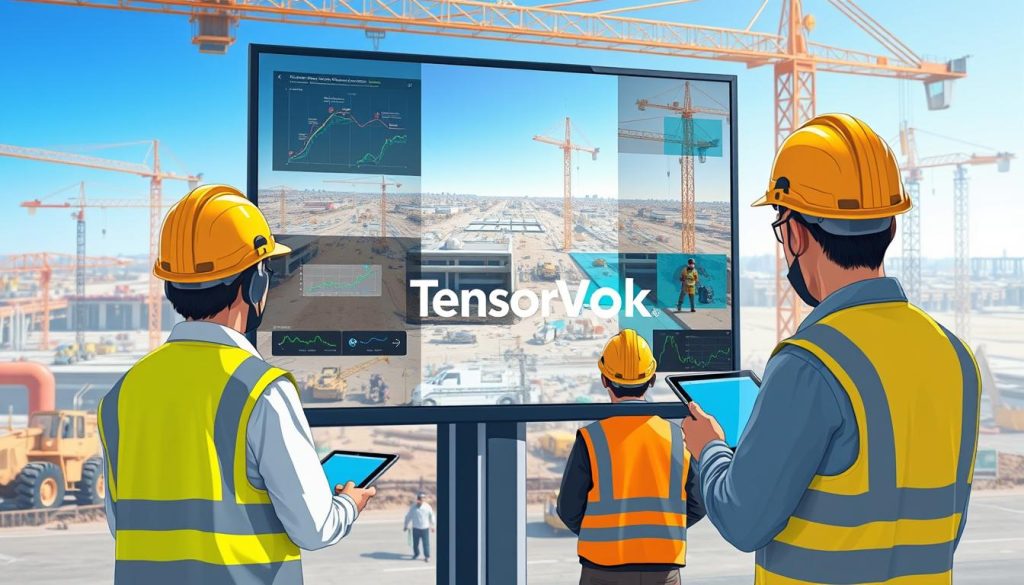
Computer vision is at the core of this tech. It’s a part of artificial intelligence. This software looks at video feeds to find important things.
It checks for workers, big machines, and safety gear. If someone is in danger without a helmet, it alerts us right away. This makes construction site safety much better.
“The true power of technology is not in the data it collects, but in the clarity it provides to those who make life-saving decisions.”
Key Components of a Modern Video Analytics System
A good system has key parts. It’s not just a camera. It’s a whole system for safety.
Here are the main parts:
- High-Definition Cameras: They give clear pictures for the AI to work with.
- Edge Processing Units: These check the video fast, so we get alerts quickly.
- Cloud-Based Dashboards: This lets managers see data and reports from anywhere.
- Automated Alerting Engines: They tell supervisors about dangers or rule breaks fast.
With these parts, we can spot risks early. My team feels more sure when they use this data to improve safety.
Real-Time Hazard Detection and Prevention
Now, we can spot hazards as they happen, not after. Proactive intervention is key to reducing risks on site. Advanced job site hazard detection changes how we keep workers safe every day.
Identifying Personal Protective Equipment Non-Compliance
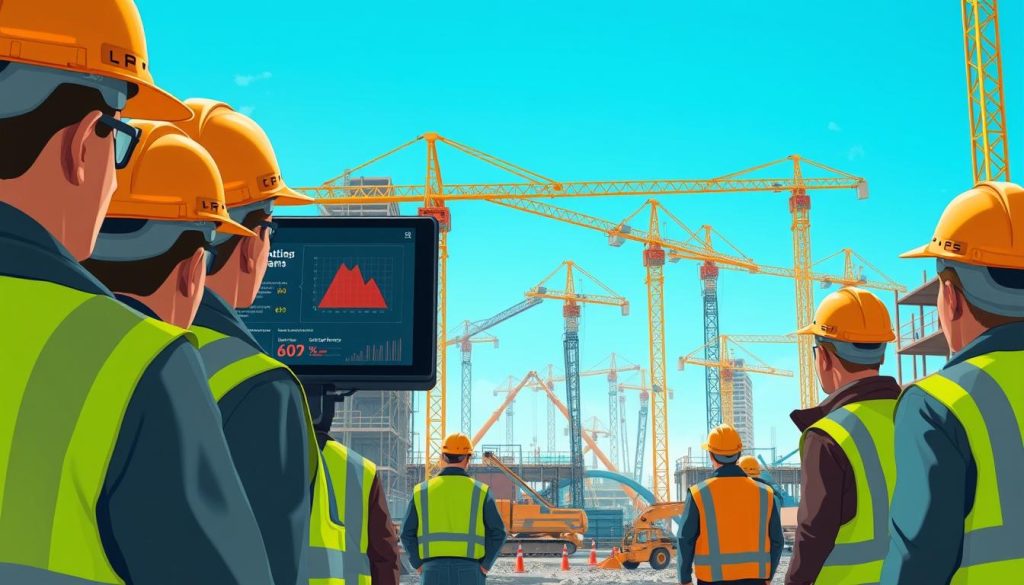
Computer vision is great for checking PPE compliance. AI cameras watch for missing gear like hard hats. If they find a problem, they alert supervisors right away.
This quick alert system keeps safety high without needing constant checks. It also watches for correct fall protection use in risky spots. This helps avoid the “Fatal Four” dangers in our field.
Monitoring Exclusion Zones and Restricted Areas
Keeping people out of danger zones is tough. I use automated systems to keep areas safe. These tools act like a digital perimeter that never stops watching.
Automated Alerts for Unauthorized Personnel
If someone goes where they shouldn’t, the system alerts me fast. Speed is everything in keeping sites safe. These alerts give us the time we need.
Dynamic Geofencing for Heavy Machinery Proximity
Heavy machinery safety is super important. We use dynamic geofencing to set safe zones around big machines. If someone gets too close, the system warns everyone right away.
Mitigating Human Error Through Automated Monitoring
We can cut down on mistakes by giving our teams the right tools. Using advanced tech in our work makes us stronger. It helps us find problems before they turn into big accidents.
Reducing Fatigue-Related Incidents on Long Shifts
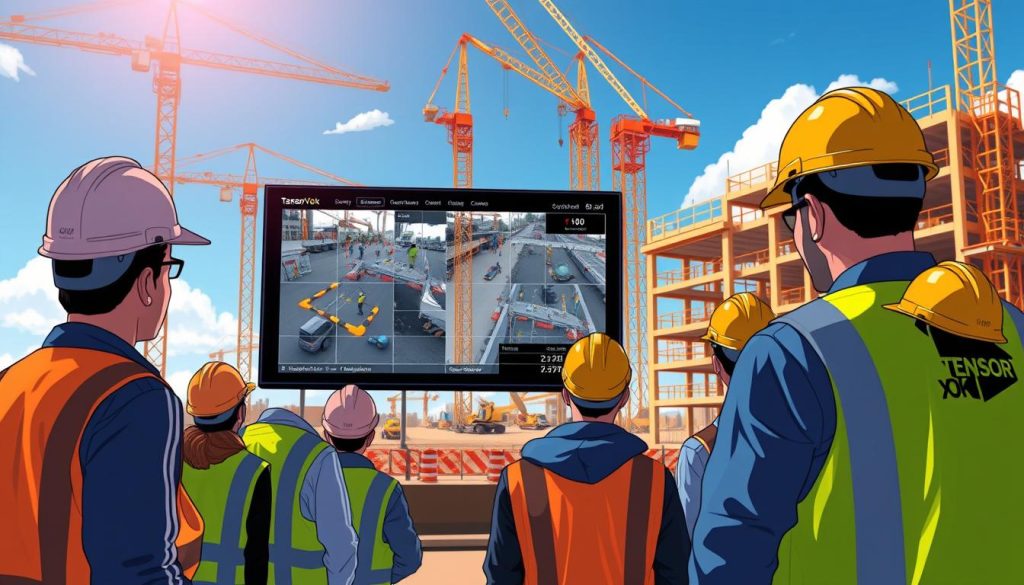
Long shifts can make people very tired. This tiredness often leads to accidents. Wearable sensors help us keep an eye on worker health in real time.
These sensors watch for signs of tiredness. They tell us when someone needs a break. This helps keep everyone safe during long shifts.
Standardizing Safety Observations Across Large-Scale Projects
Keeping safety up on big projects is hard. We use construction site monitoring to watch every area carefully. This makes sure safety checks are always the same.
Automated systems help us catch mistakes that humans might miss. They make sure everyone is safe, no matter the project size. This lets us focus on making things better, not just following rules.
The Role of Consistent Monitoring in High-Risk Tasks
Tasks with heavy machinery safety risks need extra care. We use automated systems for real-time hazard alerts. This helps prevent accidents and keeps everyone safe.
| Feature | Manual Monitoring | Automated Monitoring |
|---|---|---|
| Response Time | Delayed | Instant |
| Data Accuracy | Subjective | Objective |
| Coverage | Limited | Comprehensive |
| Fatigue Detection | None | Advanced |
Automated tools help us follow safety rules closely. Consistency is key to a safe job site. Mixing human skill with machine accuracy keeps everyone safe at the end of the day.
Enhancing Compliance and Accountability
I found that digital documentation makes safety better. It uses video evidence for facts, not guesses. This helps keep projects safe.
Streamlining OSHA Reporting and Documentation
Handling OSHA compliance used to be hard. Now, AI makes it easy. It logs site activities in real time.
This data helps during audits. It shows we follow safety rules well. It’s key for fall protection checks.
Building a Culture of Safety Through Data Transparency
Being open is key for safety. It makes everyone feel safe and responsible. This open approach helps us all work together.
We use data to improve safety. It shows who’s doing well and who needs help. This builds trust and success.
Using Analytics to Inform Safety Training Programs
Generic safety talks don’t work. But, data-driven talks do. They focus on real site risks.
This way, our training is effective. We use real examples, not old manuals. It makes PPE compliance better and keeps everyone safe.
Overcoming Implementation Challenges
The journey to a safer job site is not always easy. Introducing new monitoring tools can be tough. The benefits of construction technology are clear, but the transition needs patience and a plan.
Success depends on managing people and technology well. It’s all about how you handle both parts.
Addressing Privacy Concerns and Workforce Buy-In
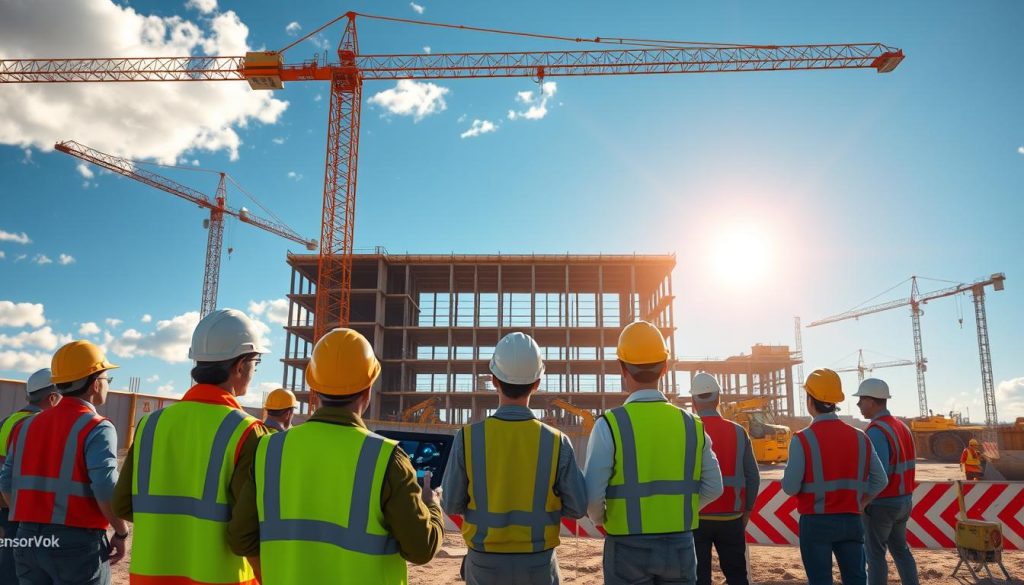
Building trust with the crew is often the biggest challenge. Workers might think construction site monitoring is for watching them, not for safety. To fix this, I explain how the data helps prevent accidents.
Getting workers involved is key to success. When they see the tech is for their safety, they help more. Here’s how to get them on board:
- Have open talks about privacy and data.
- Give hands-on training to clear up confusion.
- Share stories where tech saved the day.
“Technology is best when it brings people together and keeps them safe, not just watches them.”
Integrating New Technology with Legacy Infrastructure
Many sites use old ways that don’t fit with new tech. I’ve learned you don’t have to change everything at once. Start by adding new sensors to your current safety plans.
This way, you can update slowly and keep your team comfortable. Make sure your construction technology meets OSHA compliance standards. This keeps safety high without slowing down work. The goal is to make tech work with your team’s efforts every day.
The Future of AI-Driven Safety Management
The next step in site safety is moving from just watching to predicting dangers. I think construction technology is changing. We will stop accidents before they start.
By using new tech, we’re raising the bar for the whole construction world. I truly believe this change will deeply affect how we work and manage our teams.
Predictive Analytics and Proactive Risk Modeling
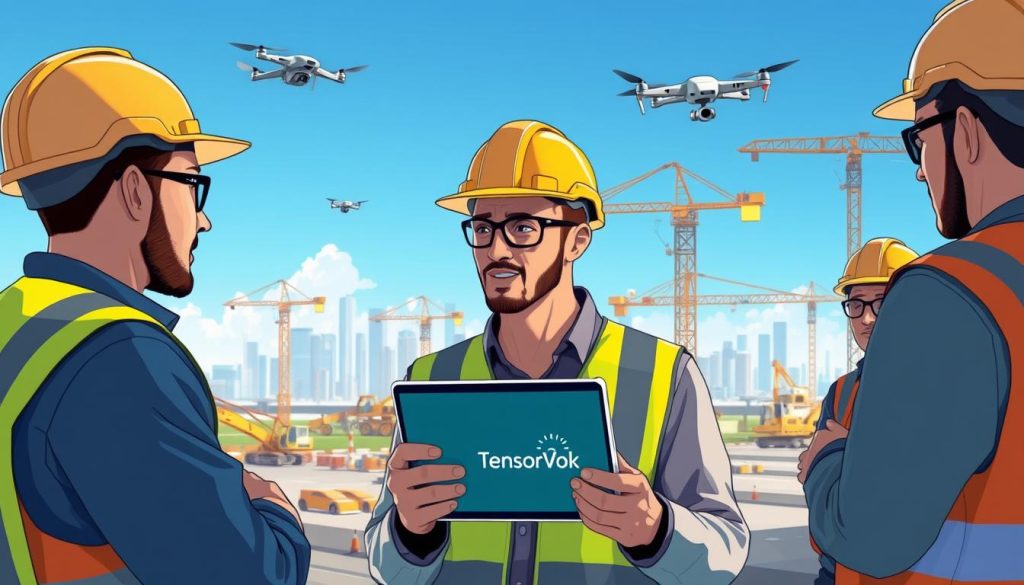
Predictive analytics use smart learning to guess where accidents might happen. It looks at lots of data, like past accidents and weather.
This helps us spot danger spots early. Project managers can then plan better and make sites safer.
The Convergence of IoT and Video Intelligence
When we mix video with IoT, we get a full view of the site. Cameras and sensors work together.
This combo lets us see risks as they happen. With AI-driven safety becoming common, I think injuries will go down a lot.
This big change in proactive safety management is not just about being efficient. It’s about keeping workers safe. It’s about using the best construction technology to protect everyone.
My Perspective on the ROI of Safety Technology
Investing in advanced safety systems is a big deal for any company. It’s not just about making money. It’s about keeping people safe every day. Making incident prevention a top priority shows our industry’s heart.
Beyond Cost Savings: The Human Value of Accident Prevention
When we talk about safety, we often look at numbers. But the real value is in keeping our team safe. Every time we prevent an accident, a worker gets to go home to their family. This builds trust and loyalty that money can’t buy.
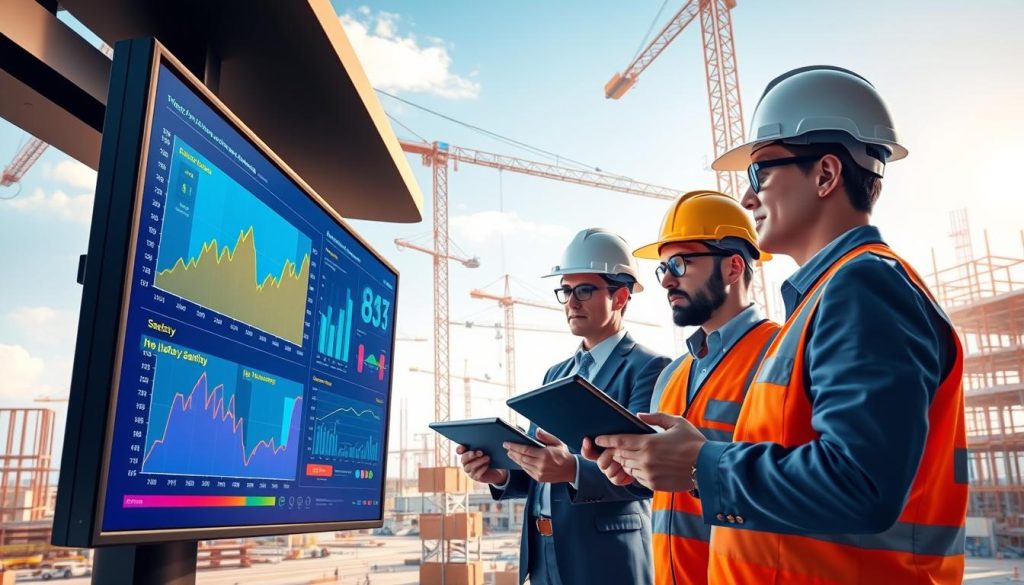
Using construction site video analytics helps us spot risks early. This makes our job sites safer and more secure. When workers feel safe, they work better and happier.
Why Investing in Safety is a Competitive Advantage
Safety technology is a key asset for us. It helps us get better insurance deals. It also helps us solve claims quickly, keeping our reputation strong.
A safe site is an efficient site. We save time and money by avoiding accidents. This makes us a top choice for clients who want quality and safety.
| Feature | Traditional Safety | Tech-Enabled Safety |
|---|---|---|
| Risk Detection | Reactive/Manual | Proactive/Automated |
| Data Accuracy | Subjective/Delayed | Objective/Real-time |
| Insurance Impact | Standard Premiums | Potential Discounts |
| Project Delivery | Variable/Risk-prone | Consistent/Optimized |
Choosing to invest in safety technology is a smart move. It leads to a cycle of improvement for everyone. By using new tech, we make our projects successful and sustainable for the future.
Conclusion
Video analytics changes how we keep sites safe. It uses AI to protect workers and make sure we follow rules on every project.
I think every leader should see these tools as a big help in stopping accidents. They watch over us all the time, never getting tired.
Using this tech shows we care about the people building our world. It helps us always get better by finding dangers before they cause harm.
I want you to start using these tools every day. See how they make your work sites better. Let’s work together to make our industry safer and more efficient.