
Did you know that global inventory loss costs businesses over $100 billion every year? This is a huge problem. Retail shrinkage is a big worry for store owners. They want to keep their money safe without making customers feel bad.
Old ways of watching people can make them feel trapped. But, modern technology has a better way. It looks at suspicious shopping behavior to find problems without knowing who you are.
Using non-biometric monitoring is a smart choice. It keeps your store safe without old methods. Behavioral analytics retail security makes your store safer and more efficient.
Key Takeaways
- Global inventory loss creates a massive financial burden for modern store owners.
- Focusing on specific actions helps identify threats without needing personal identification.
- Non-biometric tools protect customer privacy while maintaining high safety standards.
- Advanced monitoring systems provide a scalable solution for diverse store layouts.
- Proactive detection reduces losses and improves overall operational efficiency.
Understanding the Core Principles of Behavioral Analytics Retail Security
The move to AI-powered security keeps your store safe while keeping customer privacy. It’s a big change from old ways of watching for trouble. Now, you can spot threats early, thanks to smart algorithms that learn your store’s patterns.
How does behavioral analytics differ from traditional surveillance?
Old retail surveillance makes staff watch lots of video to find trouble. This can lead to mistakes and tired eyes. New systems, however, create a behavioral baseline to know what’s normal in your store.
When someone acts differently, the system alerts you right away. This means your team only looks at serious issues. You can tell if someone is just looking around or up to no good, without knowing who they are.
| Feature | Traditional Surveillance | AI-Powered Security |
|---|---|---|
| Primary Focus | Manual Review | Automated Detection |
| Response Time | Reactive | Proactive |
| Data Usage | Video Storage | Behavioral Baseline |
| Privacy Level | Variable | Privacy-First |
Why is privacy-first security becoming a priority for UK retailers?
In the UK, laws like GDPR make it clear how to handle customer data. Going for privacy-first retail is now a must, not just a good idea. You can keep your store safe without keeping personal info.
This way, you build trust with your customers. They feel safe without being watched too closely. It’s a win-win for everyone. Using these new tools keeps you in line with the law and makes your store safer for the future.
Identifying Suspicious Patterns Through Movement and Posture
By looking at how people move, you can stop shoplifting before it starts. This makes your store safer. It’s all about retail loss prevention.
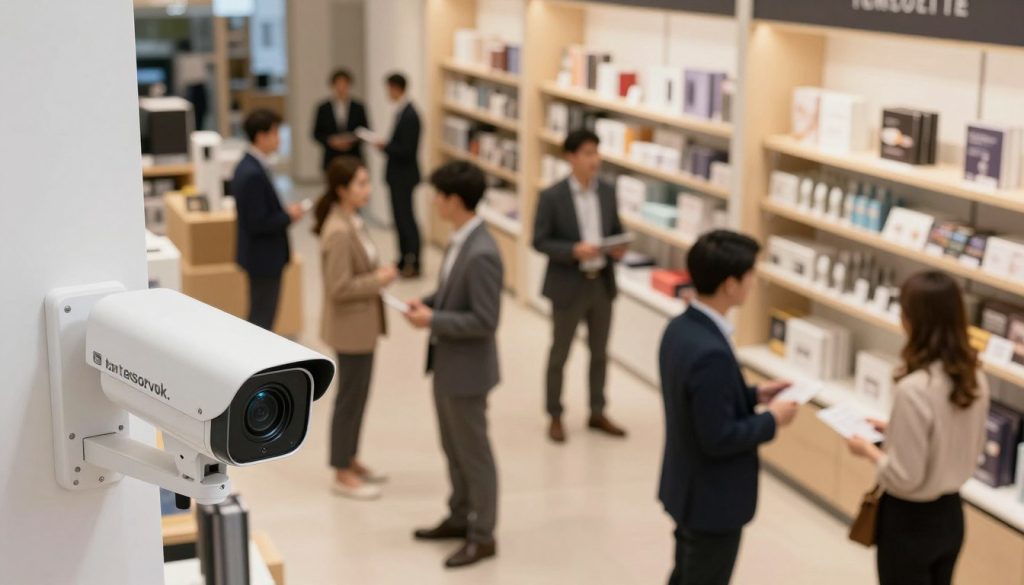
What specific physical cues indicate potential shoplifting?
Now, we can spot shoplifting without seeing faces. Shoplifting detection starts with noticing people who look at cameras or staff a lot.
Look for stiff arms or big clothes that don’t fit the weather. These signs, along with certain movements, warn your team of possible theft.
How do systems distinguish between browsing and loitering?
Today’s retail surveillance knows the difference between a real shopper and a thief. Real shoppers move smoothly through the store.
Analyzing dwell time in high-value zones
Systems watch how long someone stays near expensive items. If they stay too long without buying, it’s a red flag.
Detecting erratic movement patterns in aisles
People who move strangely, like pacing, might be up to no good. Their odd movements stand out from normal shoppers. This helps your team know where to watch.
| Behavior Type | Movement Pattern | Risk Level |
|---|---|---|
| Legitimate Browsing | Fluid, steady pace | Low |
| Targeting | Frequent environment scanning | Medium |
| Potential Theft | Erratic, high dwell time | High |
The Role of Computer Vision in Non-Biometric Monitoring
Computer vision changes how stores watch their floors. It looks at actions, not who’s doing them. This way, stores stay safe and keep customers’ privacy.
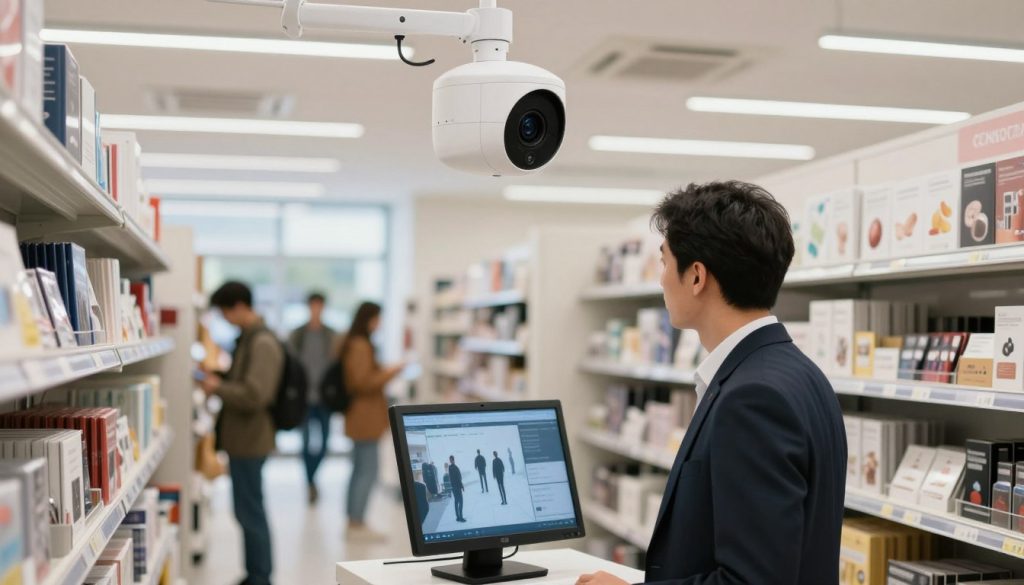
How does object detection replace the need for facial recognition?
Modern AI-powered security doesn’t look at faces. It watches how people move and touch things. If someone acts suspiciously, it alerts you.
This method is better because it doesn’t store personal info. It stops theft fast, without knowing who did it. It’s a smart way to protect your store without knowing who’s there.
Can your existing CCTV infrastructure support behavioral analytics?
Many stores think they need new cameras for this. But, most systems work with what you already have. If your cameras show the floor well, you’re good to go.
Using what you have saves money. It lets you keep your store safe without spending a lot on new cameras.
| Feature | Traditional CCTV | AI-Powered Security |
|---|---|---|
| Primary Focus | Identity Verification | Behavioral Patterns |
| Data Privacy | High Risk | Privacy-First |
| Response Time | Reactive | Proactive |
| Hardware Needs | Standard Cameras | Existing Infrastructure |
Addressing Operational Challenges and False Positives
Even the most advanced security systems face challenges in busy retail environments. Keeping retail operational efficiency high is key. Constant alerts can make staff tired and slow to respond. Learning to manage these systems keeps them helpful, not a hassle.
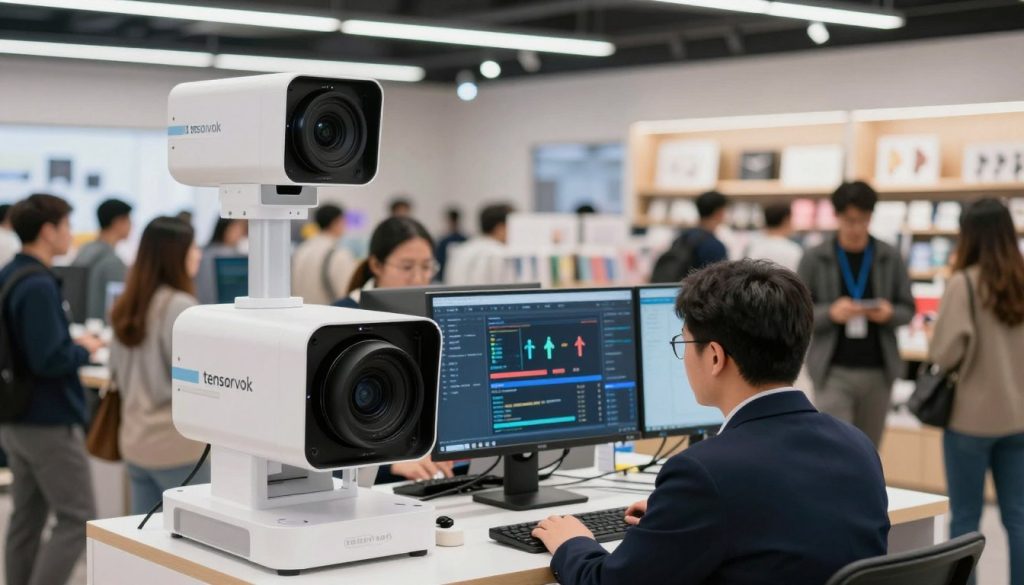
How do you minimize false alarms in a busy retail environment?
The secret is a solid behavioral baseline. Let the system run for two to four weeks without alerts. This lets the computer vision software learn your store’s unique layout.
After learning normal customer movement, it spots real threats better. This is key for shoplifting detection. It filters out normal activities like browsing. Regular monitoring during this phase means only real alerts reach your team.
What is the impact of lighting and store layout on detection accuracy?
Environmental factors greatly affect your technology’s performance. Harsh shadows, flickering lights, or clutter can confuse sensors. Make sure your store environment supports the software’s needs.
Optimizing camera placement for maximum coverage
Good camera placement is crucial for a reliable security setup. Use high-angle views to avoid blind spots and overlapping patterns. This ensures clear, useful data without obstructions.
Calibrating sensitivity thresholds for different store sections
Not all areas need the same level of watch. Adjusting sensitivity settings can reduce false positives. For example, busy entryways might need lower sensitivity, while high-value areas should detect small changes.
| Environmental Factor | Impact on Accuracy | Recommended Action |
|---|---|---|
| Lighting Fluctuations | High | Install consistent LED lighting |
| Store Layout Changes | Medium | Recalibrate after major floor moves |
| High-Traffic Zones | High | Adjust sensitivity thresholds |
| Camera Obstructions | Critical | Regular lens cleaning and checks |
Integrating Behavioral Analytics with Your Existing Security Team
Connecting alerts with human action is key for today’s retail success. Using retail security technology helps your team go beyond just watching. It’s about building a culture that uses data to help prevent loss.
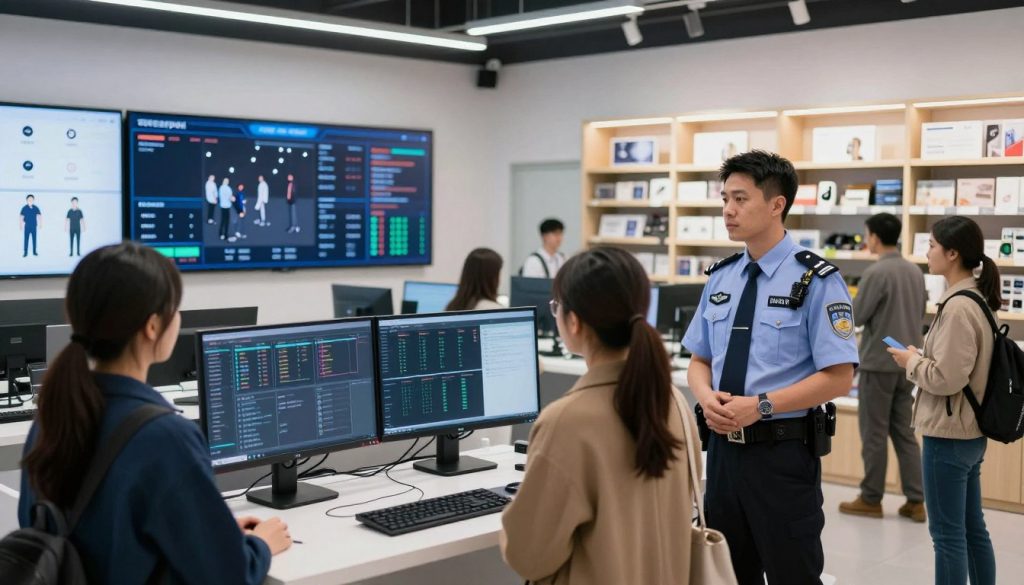
How should your staff respond to real-time behavioral alerts?
When your system spots something odd, it sends a message to your team’s phones. These messages often have short videos that give context. This lets staff decide if they need to act, keeping the store welcoming.
Good responses need clear rules. Your team should know which areas to watch and how to sort alerts. This makes your store run better.
What training is required to transition from reactive to proactive security?
Switching to proactive security needs more than just knowing how to use tools. Your team must learn to understand the data, not just watch. This makes them spot risks early, making your security team valuable.
Training should cover understanding the tech and making good choices. When your team gets why the tech is used, they make better decisions. Here’s how old and new security differ.
| Feature | Reactive Security | Proactive Security |
|---|---|---|
| Primary Focus | Incident response | Risk prevention |
| Data Usage | Historical review | Real-time insights |
| Staff Role | Manual surveillance | Contextual intervention |
| Operational Goal | Damage control | Efficiency optimization |
Matching human skills with AI insights makes your security better. By training your team, your retail security technology works best. This focus on proactive security boosts your store’s efficiency over time.
Conclusion
Modern retail needs smarter ways to protect. Behavioral analytics is a smart, private way to cut losses. It works well in today’s tough market.
By using real-time threat detection, you can protect your store and team. This method doesn’t need to use face scans. It’s a better way to keep things safe.
Store managers want to be precise. Reducing false positives means your team can focus on real threats. This makes your store safer for everyone.
Using AI to improve security makes your store safe and profitable. It builds trust with customers and keeps your stock safe. This is good for business.
Check your current systems to see if these new ideas fit. This step helps your business stay ahead in the changing retail world.