
Did you know that retail shrinkage costs businesses over $100 billion annually worldwide? A big part of this loss comes from items disappearing right from the sales floor.
We are moving into a new time. Computer vision loss prevention is changing how stores keep their goods safe. Advanced sensors let us watch store aisles very closely.
Our method uses behavior analytics to spot odd patterns right away. We don’t wait for a problem to happen. Instead, we stop shelf theft before it hurts the store’s profits.
This guide will show you how to use these smart technologies to keep your store safe. We’ll help you keep your store profitable and a great place to shop.
Key Takeaways
- Retail shrinkage is a huge financial problem for today’s store owners.
- AI tools watch high-risk areas in real time.
- Behavioral monitoring catches odd actions before items are taken.
- Being proactive with security boosts store profits.
- Using these systems makes shopping safer for everyone.
The Current State of Retail Shrinkage
The world of shopping is changing fast. Retail shrinkage is a big problem. In 2022, the National Retail Federation said we lost $112.1 billion. This huge loss makes us think differently about keeping our stores safe.
Old ways of keeping things safe don’t work anymore. We need new, smart ways to stop losses before they happen.
Identifying Common Theft Patterns at the Shelf
First, we need to understand how thieves work. They often hide items in plain sight or quickly grab them. It’s hard for people to catch these quick actions.
By studying these patterns, we can spot trouble spots. Seeing these small signs helps us use our resources better. Knowing where theft happens lets us stop it before it starts.
The Financial Impact of Traditional Surveillance Gaps
Old retail security methods don’t work well. They just record what happens later. These cameras often miss the action because of bad angles or low quality. This makes us think we’re safe when we’re not.
Now, AI surveillance is key for stores. Smart software turns cameras into tools that alert us right away. This change is vital to stop losses before they happen.
Understanding Computer Vision Loss Prevention
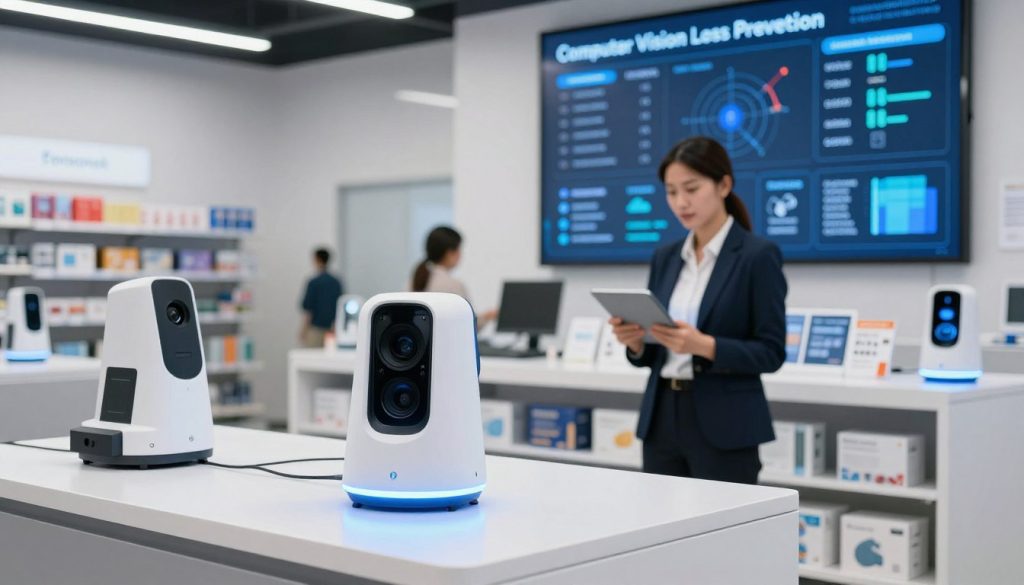
By using edge computing, we can make surveillance more effective. This tech lets us process video data right on the camera or a local server. This is key for computer vision loss prevention today.
Computer vision uses smart algorithms to understand video data in real-time. It spots objects, tracks people, and finds odd patterns without needing a person. By doing this on the edge, we cut down on delays. This means alerts come fast when something goes wrong.
How AI Transforms Static Cameras into Active Deterrents
Old cameras just watch and record after a crime. But AI systems are active deterrents that watch all the time. They can send alerts to staff or play a warning sound when they see something suspicious.
This way, we stop theft before it happens. The system spots odd actions like hiding items or emptying shelves. This gives your team a big edge over just watching cameras.
Differentiating Between Standard CCTV and Behavior Analytics
Standard CCTV and behavior analytics do different things. CCTV is for recording and looking back. Behavior analytics is for immediate action. Here’s how they differ.
| Feature | Standard CCTV | Behavior Analytics |
|---|---|---|
| Primary Goal | Evidence collection | Real-time prevention |
| Data Processing | Centralized storage | Edge computing |
| Response Time | Post-incident review | Instant alerts |
| System Intelligence | Manual monitoring | Automated detection |
Choosing the right system depends on your needs. Standard cameras are good for general watching. But computer vision is smarter for fighting retail theft. Using these advanced tools keeps your store safe from new theft methods.
Assessing Your Store Infrastructure for AI Integration
Starting with a detailed check of your store setup is key for AI integration. Your physical space needs to be clear and connected for AI to work well.
Evaluating Existing Camera Placement and Lighting
Your loss prevention system’s success depends on good camera quality. Look at your camera angles to make sure they show high-risk areas clearly.
- Check for blind spots caused by tall displays or promotional signage.
- Ensure lighting levels are consistent to prevent glare or deep shadows.
- Verify that cameras are positioned at the correct height for facial and gesture recognition.
Determining Network Bandwidth Requirements for Real-Time Processing
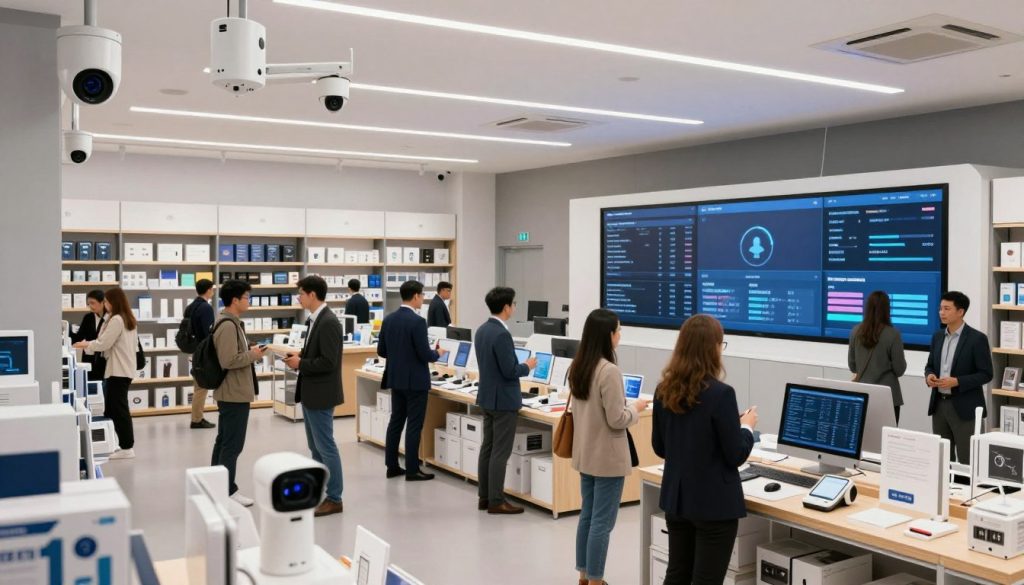
For real-time monitoring, you need a strong network. It should handle high-definition video without delay. Test your bandwidth to see if it can handle the data flow needed for retail operations.
Hardware Compatibility Checks
Not all old cameras work with new analytics software. Do a full check of your hardware to see what needs to be updated or replaced for intelligent detection algorithms.
Cloud Versus Edge Computing Considerations
Choosing the right processing setup is important for success. Cloud systems are scalable, but edge computing appliances process data locally. This cuts down on bandwidth costs and keeps data safe.
“Local processing at the edge ensures that critical data remains secure while providing the speed needed for instant loss prevention alerts.”
By choosing local processing, you make your inventory management smoother. This approach keeps your retail operations efficient and ready to handle theft quickly.
Selecting the Right Behavior Analytics Software
Choosing the right behavior analytics software is key to a strong loss prevention plan. The market has many options, but not all protect your inventory well. Look for tools that are accurate and work well with your hardware.
Key Features to Look for in Loss Prevention Platforms
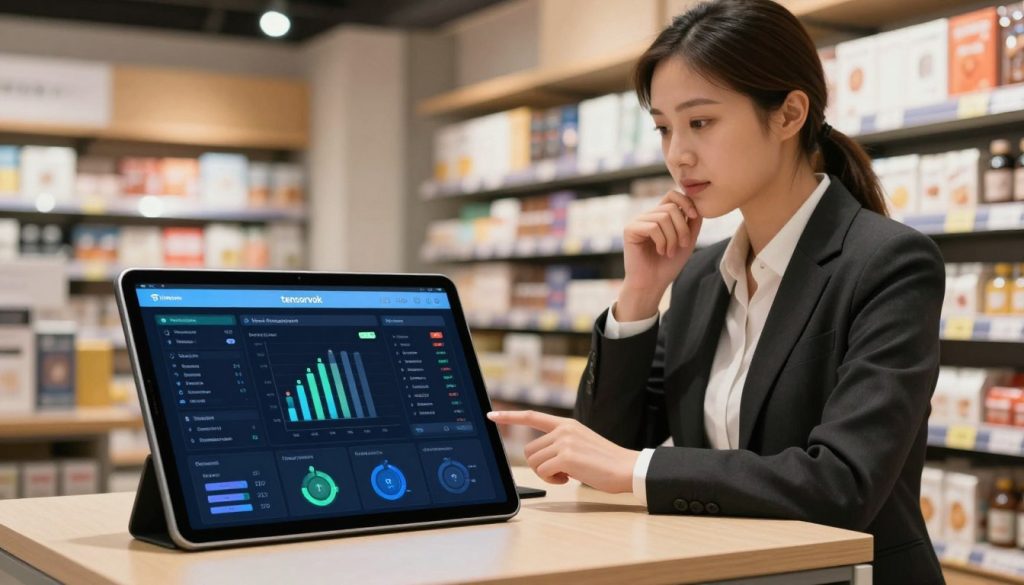
When checking out loss prevention platforms, find ones with strong AI integration. Good software can tell normal browsing from suspicious activity. This helps your security team by cutting down on false alarms.
It’s also important for the platform to grow with your business. It should handle more cameras and locations without needing a big change. Reliable software keeps your security up to date as your store grows.
Integrating Analytics with Point-of-Sale Systems
Most retailers focus on fraud and loss at checkout. So, AI integration with your POS systems is a must. This link lets the software check video against transaction logs for any oddities.
This connection gives you a full view of checkout. You can spot when items are scanned but not on the final bill. This automated oversight is key to keeping profits up.
Real-Time Alerting Capabilities
Good real-time alerting is essential for modern security. When the system spots a possible theft, it should alert staff right away. This quick action lets your team stop the thief before they leave.
Data Privacy and Compliance Standards
Keeping your customers’ data safe is as important as protecting your goods. Make sure your loss prevention platforms follow strict privacy and compliance rules. Check that the software keeps footage safe and follows local laws on facial recognition and data storage.
Installing and Calibrating Vision Sensors
Setting up your vision sensors right is key to stopping shelf theft early. A good plan ensures our gear gets the right data to guard valuable items. This makes surveillance a tool for shrink reduction.
Step-by-Step Setup for Optimal Shelf Coverage
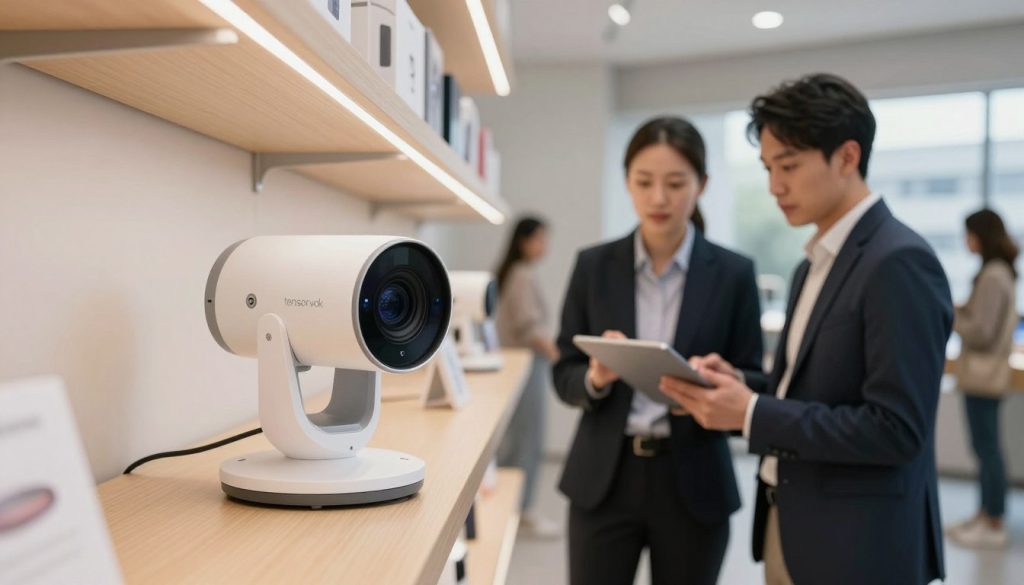
To see everything, sensors need to be placed at the right angles. We suggest using YOLO11. It keeps personal info safe by watching specific actions, not faces.
- Mount sensors at 2.5 to 3 meters for a clear view.
- Make sure the view covers the whole shelf, without blockage from signs.
- Connect all to one network for quick theft pattern analysis.
Calibrating Detection Zones to Minimize False Positives
Calibration is key to spot real theft, not just shopping. We set up zones in the software to ignore busy spots without products. This keeps our computer vision systems accurate in crowded stores.
Defining High-Risk Product Areas
We focus on shelves with valuable or often stolen items. This way, our shrink reduction plan works better. It alerts staff only when it’s really needed.
Adjusting Sensitivity for Different Movement Patterns
Every store moves differently, so we adjust the settings. We tweak the software to catch specific theft patterns, like quick grabs or long stays. This cuts down on false alarms and keeps shelf theft at bay.
Training Staff to Respond to Real-Time Alerts
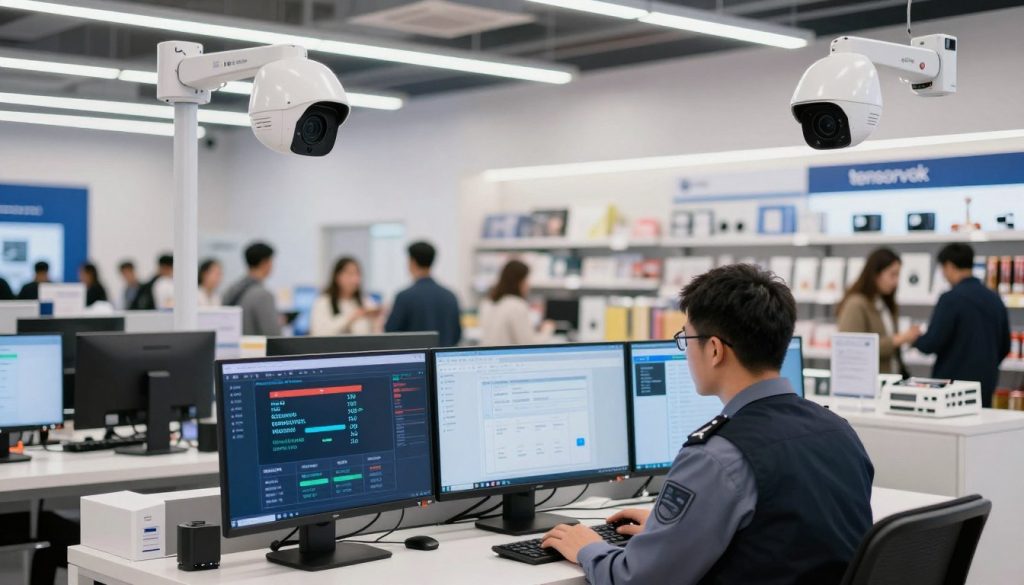
Teaching your team to act on data is key in modern retail loss prevention. AI surveillance gives you eyes, but your staff makes the final call. It’s important that each team member knows what to do when an alert comes in.
Establishing Standard Operating Procedures for Alerts
Having clear rules is vital during a possible theft. We suggest making a plan that shows who gets alerts and what to do first. This plan helps your team act quickly and correctly.
By using real-time alerting in daily tasks, staff can watch high-risk areas without bothering customers. This way, security is both effective and unobtrusive. When an alert happens, the person in charge should check the video before talking to anyone.
Balancing Customer Service with Loss Prevention Tactics
Keeping a friendly store is key for retail security success. We advise staff to focus on helping people who are flagged by the system. Sometimes, just saying hello can stop someone from stealing.
De-escalation Techniques for Staff
If a situation gets tense, safety comes first. We teach our teams to speak calmly and keep their distance. De-escalation is about keeping everyone safe, not winning an argument.
Reporting and Documentation Protocols
Keeping accurate records is essential for loss prevention. Every incident must be documented with the video from the system. This helps us spot patterns and get better at preventing future incidents.
| Incident Type | Primary Action | Secondary Action | Risk Level |
|---|---|---|---|
| Suspicious Loitering | Offer Customer Service | Monitor via Camera | Low |
| Concealment Attempt | Verify with Manager | Approach Politely | Medium |
| Aggressive Behavior | Disengage Immediately | Contact Authorities | High |
Measuring Success and Optimizing Detection Accuracy
We believe AI’s true power is in its ability to grow through constant checks. By 2028, 50% of big retailers will use computer vision more. This will cut retail shrinkage by 40%. To hit these goals, you need a clear plan for analyzing data.
Tracking Key Performance Indicators for Shrinkage Reduction
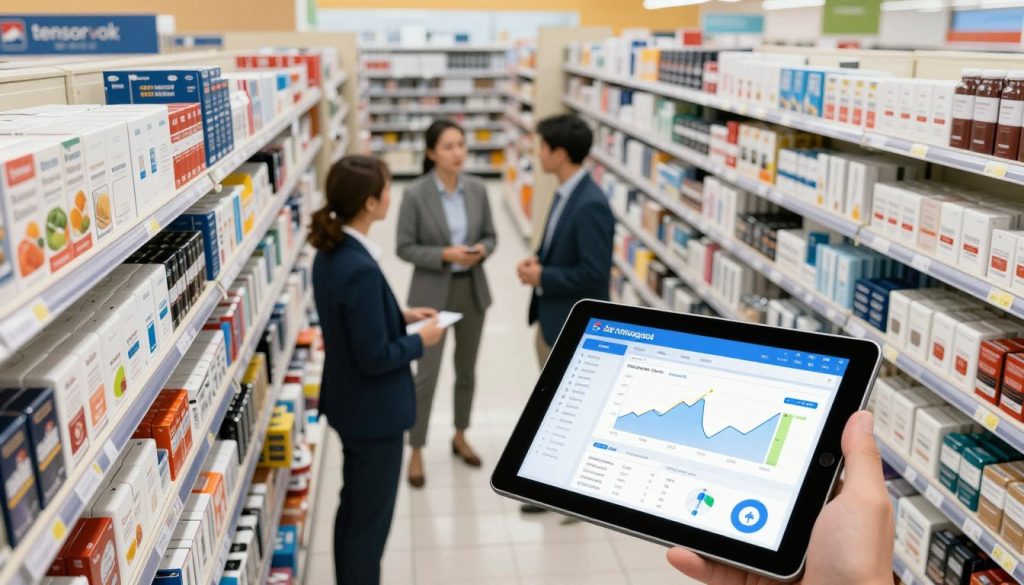
Good shrink reduction means watching key numbers. You should keep an eye on how often alerts happen versus real incidents. This shows how well your loss prevention platforms work for inventory management.
Here’s a table with the main metrics to watch for top security performance.
| Metric Category | Primary KPI | Target Outcome |
|---|---|---|
| Shrinkage | Shrink Reduction Rate | 40% Improvement |
| Operations | Alert Accuracy | High Precision |
| Inventory | Stock Discrepancy | Minimized Loss |
Refining Algorithms Based on Incident Data
Your system gets smarter with each new event. Looking at incident logs helps spot patterns missed by the software. This iterative process makes your security tools better fit your store’s needs.
Analyzing False Alarm Trends
False alarms can make staff tired and doubt your security tools. We suggest checking all alerts weekly. Look for things like lighting or shelf movement that might cause errors. Changing your detection zones can make your loss prevention platforms more reliable.
Continuous Improvement Cycles
Keeping a secure place means always getting better. Hold monthly meetings to check data and tweak your settings. This keeps your inventory management strong against new theft methods.
Conclusion
Modern retail needs a change from just reacting to being proactive. Computer vision loss prevention is a key way to keep inventory safe. It also gives deep insights into how customers behave.
These tools are the start of smarter retail. They help store managers do more than just watch. They can now plan better floor layouts and staff levels with real data.
Companies like Zebra Technologies and Axis Communications offer the needed hardware. This makes the switch easy. It also makes stores safer for everyone.
See this tech as a long-term asset for your business. It turns every camera into a tool for making smart decisions.
Begin your digital change today to keep up with trends. A more efficient and profitable store is possible with intelligent vision systems.