
Construction is very dangerous for workers all over the world. Every day, they face big risks. They need proactive risk management to stop accidents before they happen. Now, companies can use new digital tools to be more careful.
In Hong Kong construction, projects must be finished fast. AI Video Analytics lets managers watch over sites in real-time. This keeps construction site safety first, but still fast.
These smart systems give deep insights. They make work better and safer. As we move toward 2026, these new ways of building are changing our cities. It’s key for companies to use these changes to keep workers safe and stay ahead.
Key Takeaways of AI video Analytics
- Construction sites are high-risk zones requiring advanced, proactive safety solutions.
- Digital monitoring tools help identify potential hazards before injuries occur.
- Hong Kong firms are increasingly adopting smart technology to streamline complex workflows.
- Real-time data improves overall project management and site productivity.
- Investing in modern safety tech is crucial for long-term industry success.
The Evolution of AI Video Analytics in Hong Kong Construction
For years, Hong Kong’s construction sites used old security methods. These methods didn’t stop problems before they started. They only looked at what happened after.
Now, Hong Kong construction is changing fast. AI Video Analytics is making sites safer in real time. This change is key for keeping everyone safe in busy cities.
Transitioning from Reactive Monitoring to Predictive Intelligence
Now, sites can spot dangers before they cause harm. Computer vision helps find unsafe actions or dangers right away. This makes watching over sites much more important.
Real-time monitoring helps managers act fast. If the system sees a risk, it alerts them right away. This helps prevent accidents on big projects. This is how AI video analytics matters.
Integration with Hong Kong’s Smart City Infrastructure
Using these new tools fits well with Hong Kong’s smart city goals. It makes cities safer and more efficient. These systems work well with the city’s digital systems.
Putting AI Video Analytics into city safety plans helps a lot. It makes sure sites follow the latest rules. This mix of predictive intelligence and city planning makes everyone safer. It’s a big step for the construction industry.
Links of Hong Kong’s Smart City Program you may find useful
- Hong Kong Smart City Blueprint 2.0
- Smart Site Safety System (SSSS) Hub
- Development Bureau’s Technical Circular
- Innovation and Technology Fund
Mitigating High-Risk Scenarios Through Real-Time Detection
Construction firms use AI Video Analytics to spot dangers right when they happen. Old safety methods depend on people watching, which can lead to mistakes. Now, predictive intelligence keeps a watchful eye on every part of the site.
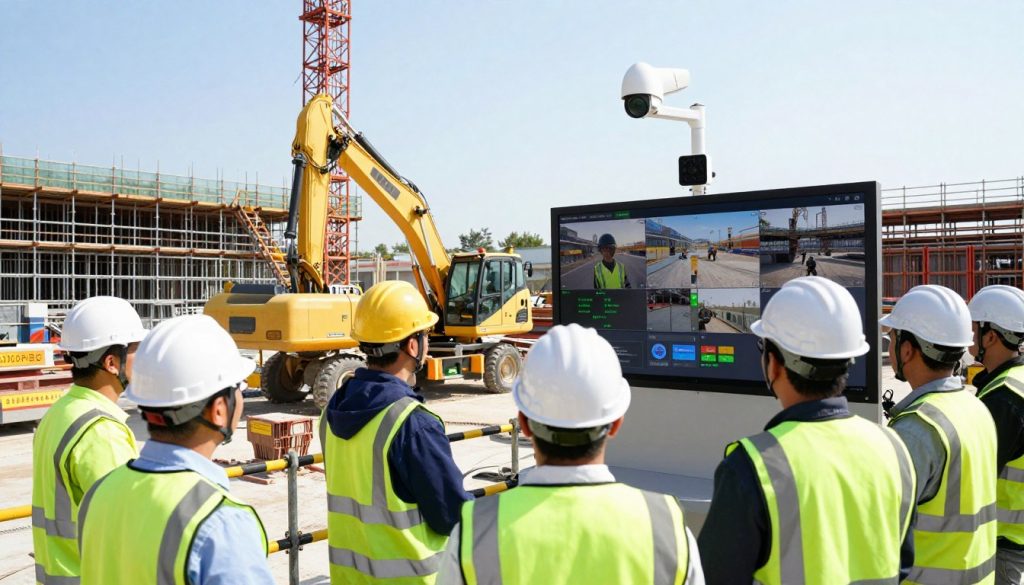
Automated Personal Protective Equipment Compliance Monitoring
It’s hard to make sure everyone wears the right safety gear. But now, machines check for helmets and vests [ PPE detection of AI video analytics] as they move. If someone isn’t wearing the right gear, they get an instant alert to their boss.
This way, PPE compliance is kept up without needing someone to check all the time. It lets managers work on bigger safety plans. This makes sites safer in Hong Kong.
Hazardous Zone Intrusion and Heavy Machinery Proximity Alerts
Big machines have blind spots that are dangers to people on the ground. Hazard detection systems watch how close people are to these machines. If someone gets too close, they get a warning right away.
Dynamic Geofencing for Excavation Sites
Excavation sites are very risky because of unstable ground and deep holes. Dynamic geofencing sets up virtual boundaries that change as the site does. If someone goes where they shouldn’t, the system tells security right away.
Computer Vision for Crane Operation Safety
Crane work needs to be very careful and aware of things around it. Computer vision checks if the crane is safe from hitting buildings or other things. This helps keep everyone safe by watching things that humans can’t.
Optimizing Operational Efficiency and Resource Allocation
AI video analytics do more than keep people safe. They also make job sites run better. They turn video into useful info for making smart choices. This saves time and money.
Teams can stop guessing and start making decisions based on facts. This makes managing projects more precise.
Analyzing Workflow Bottlenecks with Heat Mapping
AI looks at lots of video data to find patterns we can’t see. Heat mapping shows where people and things move on the site. It points out where things get stuck.
This helps managers fix problems fast. It stops delays in big projects. Teams can move things around to keep work flowing.
Automated Progress Tracking and Reporting
Manual reports slow down workers and managers. Automated reporting tools make updates on their own. This keeps everyone informed without delay. So AI video analytics brings great convinience to the safety of the construction sites.
- Less work for site supervisors.
- More accurate updates.
- Quicker info to the office.
Synchronizing Site Logistics with AI-Driven Insights
Good site logistics mean everything works together smoothly. AI helps managers use resources where they’re needed most. This cuts down on idle time.
Every camera becomes a tool for better management. As projects in Hong Kong get bigger, these tools help keep things on track.
Overcoming Implementation Challenges and Regulatory Hurdles
Putting advanced monitoring systems in place is tricky. It needs tech innovation and following local privacy laws. In Hong Kong, construction firms face many challenges to succeed. So by implementing PPE detection by docking AI video analytics to the old CCTV systems is in not an option but a must.
Data Privacy and Ethical Considerations in Surveillance
Keeping data privacy is key for AI in construction. Companies must keep video and data safe from hackers.
It’s important to tell workers what data is collected. This way, they know it’s for their safety, not to punish them.
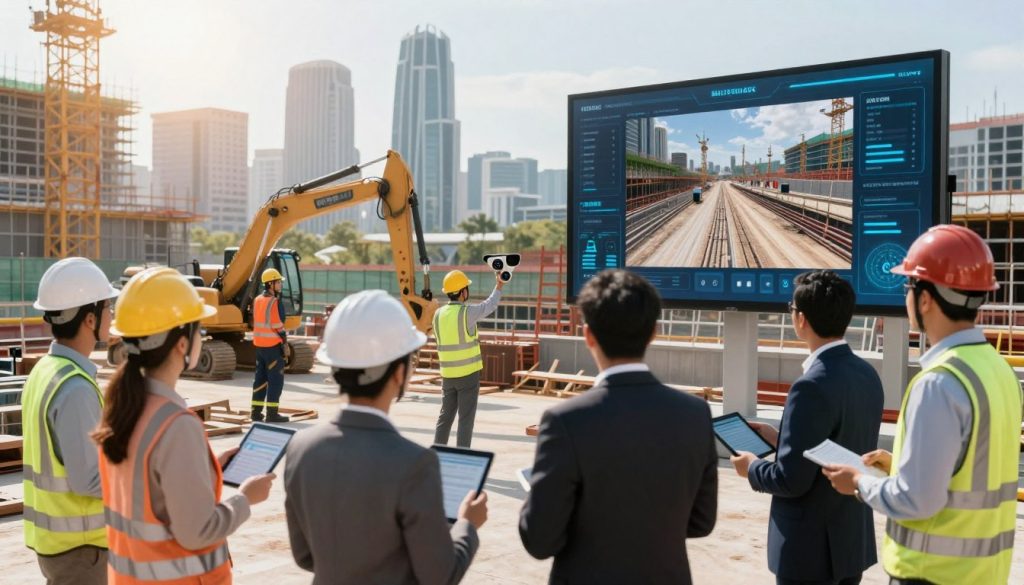
Following local laws builds trust with workers. Ethical standards help make hazard detection a team effort.
Bridging the Skill Gap for On-Site Personnel
Technology works best when people know how to use it. Training programs are needed to make workers feel at ease with new tools.
Managers should teach staff to use AI insights. This turns data into safety improvements. When workers see how tools help, they’re more likely to use them.
Support and feedback are key for lasting success. Investing in team digital skills makes PPE compliance easier, not harder.
Conclusion
AI video analytics is key for keeping construction sites safe today. These tools give deep insights to help managers make smart choices every day. By using them, companies in Hong Kong lead the way in being the best.
Advanced tech is a big help for site teams. It finds dangers early, keeping workers safe and projects on track. This way, risks are managed before they happen.
But, human judgment is still the most important in building projects. Tech works best when it helps site managers and engineers. It doesn’t replace them but makes them work better.
The construction world keeps getting smarter with digital tools. Leaders who use these new ideas will see big improvements in work and site culture. Share your thoughts on how these tools are changing your projects. Let’s make a safer place for everyone.