
Did you know that American businesses lose over $100 billion each year? This huge loss shows how important it is to find better ways to stop retail loss prevention.
As retail shrinkage hurts profits, stores are leaving old ways behind. Now, new tech offers a better way to watch over your store and keep your things safe.
Using Smart Shoplifting Detection lets you spot odd behavior right away. With smart video analytics, you can fight retail theft well. And you can keep your store welcoming for all customers.
This guide will show you how to make your security better. You’ll see how to use these tools to protect your profits and grow your business.
Key Takeaways Smart Shoplifting Detection
- Retail inventory loss now exceeds $100 billion per year in the United States.
- Automated systems provide superior protection compared to traditional manual monitoring.
- Advanced analytics help identify suspicious patterns before losses occur.
- Modern security tools balance effective loss prevention with a positive customer experience.
- Investing in automated technology is essential for maintaining healthy profit margins.
Understanding the Mechanics of Smart Shoplifting Detection
Learning how smart systems spot suspicious activity can change your security plan. Stores are now using proactive, automated security instead of just watching for trouble. This new way helps stop theft before it hurts your business.
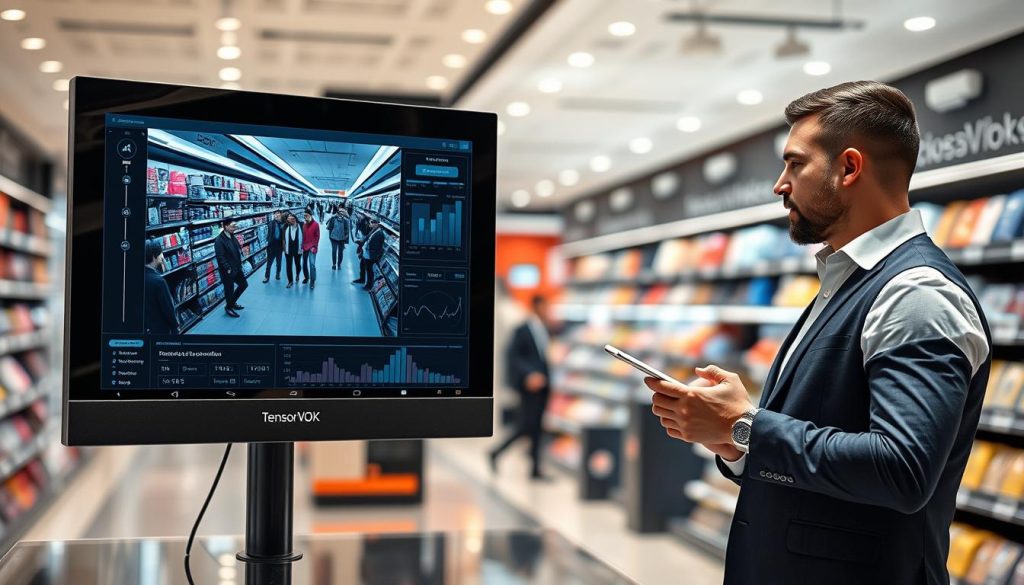
How does computer vision identify suspicious behavior?
Computer vision is the brain of your security system. It watches how people move around your store. It looks at body language and where people stand to tell normal from suspicious.
The software spots actions that might mean someone is planning to steal. It watches for things like staying too long in expensive areas or hiding items in odd ways. This advanced pattern recognition helps your team focus on real threats, not false alarms.
What role does artificial intelligence play in real-time alerts?
When the system sees something odd, AI shoplifting prevention software acts fast. It uses behavioral intelligence to figure out if the actions are risky. If it thinks it’s a theft attempt, it sends real-time alerts to your team.
These alerts give your staff the info they need to act quickly. They can stop problems as they start. This automated approach keeps your store safe while making it welcoming for honest shoppers.
Key Technologies Powering Modern Loss Prevention
Keeping your inventory safe needs a mix of physical sensors and digital smarts. Using loss prevention technology makes a secure space that stops theft. It also keeps shopping smooth. Today’s retail security is about watching and acting, not just recording.
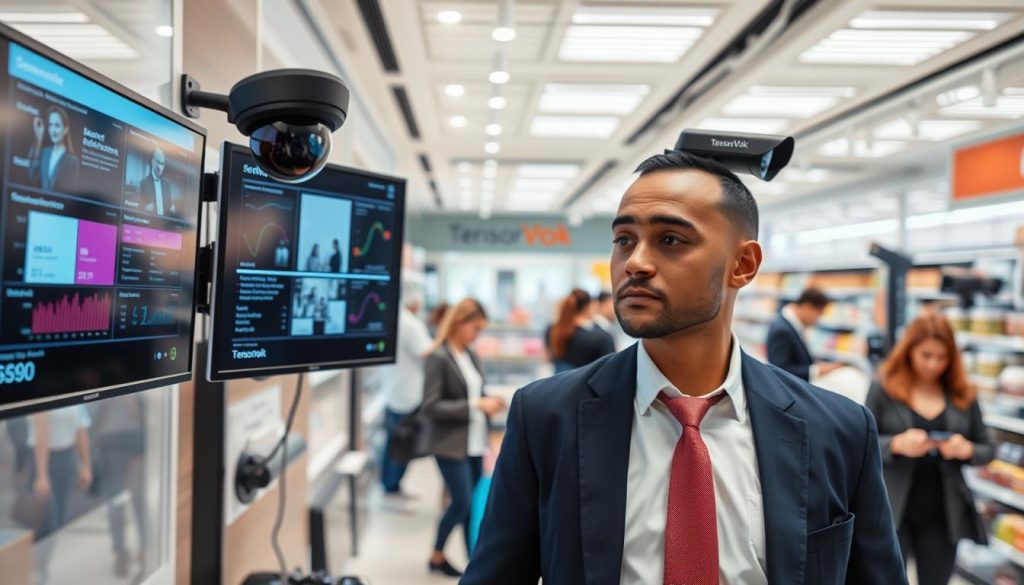
Utilizing AI-powered video surveillance systems
Surveillance today is more than just watching. AI shoplifting prevention software turns cameras into smart watchers. They spot odd behavior or hidden items right away.
These systems use behavioral intelligence to tell regular shoppers from thieves. If it sees a theft, it alerts your team fast. This way, you can stop theft before it happens.
The impact of shelf-edge sensors and weight-sensitive technology
Physical sensors add a key layer of protection for valuable items. They watch the shelves to keep inventory levels right. If something goes missing, they check it against your point-of-sale records.
How weight sensors prevent inventory shrinkage
Weight sensors watch over your most at-risk products. They notice even small changes in shelf weight. If lots of product goes missing without a sale, they alert you right away.
Integrating RFID tracking for real-time inventory visibility
RFID tracking is super accurate for keeping tabs on your stock. By tagging items, you get real-time inventory visibility that manual counts can’t match. This way, you always know what’s on your shelves.
The real strength of these systems is POS-video integration. It links sales data with video proof. This combo is the best defense against theft.
Benefits of Integrating Analytics into Your Retail Strategy
Retailers today find that the right tech does more than stop theft. It makes shopping better. By using retail analytics, you can make smart choices. These choices protect your stuff and help your business grow.
Reducing operational costs through automated monitoring
Watching stores manually is costly and often wrong. Automated systems cut down on retail shrinkage and inventory shrinkage costs. They work all the time, so your team can do more important things.
Automating retail loss prevention means you don’t need as many security people. This lets you spend more on growing your business. You become more efficient and profitable, staying safe too.
Improving customer experience by minimizing false alarms
False alarms can really mess up your store. Advanced systems use behavioral intelligence to spot real threats. They send real-time alerts only when it matters, so honest shoppers stay happy.
Keeping your store smooth is key to keeping customers. When security is smart and quiet, shoppers feel safe and welcome. This is important for your brand’s image in a tough market.
Leveraging data insights to optimize store layout and staffing
Modern loss prevention technology gives you more than security. It shows you where people like to go in your store. This helps you arrange your space to sell more.
You can also use this data to figure out when to have more staff. Putting people where they’re needed most makes service better and saves time. Here’s how these new systems beat old ways.
| Feature | Traditional Security | Automated Analytics |
|---|---|---|
| Monitoring Style | Manual/Reactive | Proactive/Automated |
| Alert Accuracy | Low (High False Alarms) | High (Behavioral Focus) |
| Data Utility | Limited to Security | Operational & Strategic |
| Staff Efficiency | Low (Task-Heavy) | High (Optimized) |
Addressing Privacy and Ethical Considerations
You can fight retail shrinkage and keep your customers’ trust. Modern retail security is about safety, not just catching thieves. It’s about making shoppers feel respected. By focusing on ethics, you make your strategy a strong point.
How to maintain transparency with your customers
Telling shoppers about computer vision systems builds trust. Let them know you use tech to make their visit better and safer. Use signs or digital displays to explain your monitoring tools.
Make your privacy policy easy to find online or at the customer service desk. When shoppers see you aim to cut inventory shrinkage, not spy on them, they’re more likely to support you. Being open avoids the “big brother” feeling and builds respect.
Ensuring compliance with state and federal data privacy laws
Understanding data privacy laws is key for business owners. Your systems must follow big rules like GDPR or local laws. These laws control how you handle camera data.
- Regularly check how you store data.
- Only let security staff see footage.
- Set automatic data deletion to reduce risks.
Balancing security measures with a welcoming shopping environment
Automated monitoring should help staff, not scare off guests. Design your security to be subtle, so cameras and sensors don’t ruin the look of your store. A good system feels like part of the store, not a barrier.
Use retail analytics to improve staffing and product availability. When tech helps keep shelves full and lines short, security becomes less about fear and more about a good experience. Here’s how to keep things balanced.
| Strategy | Security Benefit | Customer Impact |
|---|---|---|
| Clear Signage | Deters theft | Increases transparency |
| Data Anonymization | Follows the law | Protects identity |
| Staff Training | Responds quickly to incidents | Improves service quality |
Implementing Automated Systems in Your Store
You can make your retail loss prevention better by using automated tools. It’s important to plan well to get the most from your tech. This keeps your store safe for shoppers.
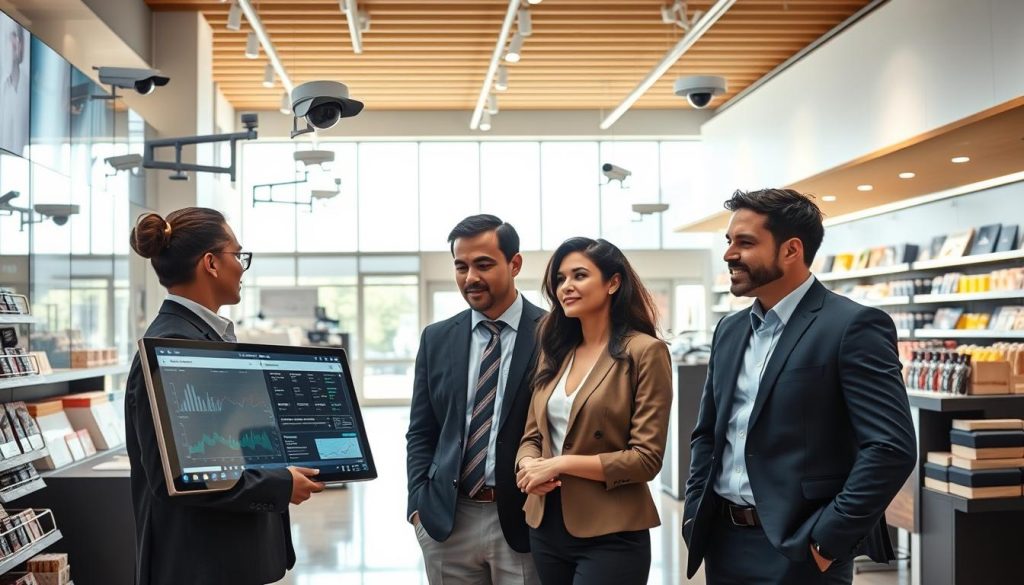
Assessing your current infrastructure and security needs
Look at your current tech before buying new. Find where automated monitoring can help most. This can save you money.
See how your retail analytics can spot trouble spots. Knowing your weak points helps you choose the right tech.
Selecting the right software and hardware partners
Finding the right tech partner is key. Look for ones that work well with POS-video integration. This keeps your data and video in sync.
Choose vendors that are reliable and can grow with you. Your system should keep up with new threats.
Training your staff to respond to automated system notifications
Good tech needs smart people to use it. Your team must know how to handle real-time alerts. They should know the difference between real threats and small mistakes.
“The true power of technology lies in its ability to empower employees, not replace them.”
Hold regular training to make your team feel ready. When they’re confident, they can handle problems better.
Best practices for handling possible theft incidents
When retail theft might happen, keep everyone safe first. Follow these steps to handle it well:
- Try to calm things down to keep the peace.
- Make sure you follow data privacy rules.
- Keep detailed records of what happens with your system’s help.
- Call the police if needed to solve it right.
Conclusion
Modern retail needs strong protection for its goods and profits. Using Smart Shoplifting Detection helps your business stay safe from new threats.
AI shoplifting prevention software changes how you watch your store. With POS-video integration, you see every sale and any issues clearly. This turns data into useful information for your team.
Good loss prevention tools help your staff a lot. They give solid proof and keep things running well. You also keep your store safe by protecting customer data.
Start making your store safer by checking where you lose the most today. Using smart systems helps your business grow and succeed. Talk to experts like Sensormatic or Axis Communications to find the right tools for you.