
Did you know that theft and mistakes cost the world’s stores billions every year? This huge loss makes many owners look for new ways to keep their stores safe. Now, you can fight this problem with advanced technology to guard your goods.
Modern shoplifting detection systems are making a big difference for store managers in the U.S. They use smart algorithms to spot trouble before it starts. Today, more than 6,000 stores use these tools to keep their shelves safe from thieves.
With real-time alerts, your team can act fast to stop problems. This quick action is the best way to cut down on retail shrinkage and keep your profits up. By using these digital tools, you make your store safer for everyone.
Key Takeaways
- Retailers lose billions annually, making loss prevention a top priority.
- AI-driven tools identify suspicious patterns before theft occurs.
- Over 6,000 stores currently utilize these systems to deter crime.
- Proactive alerts empower your team to take immediate action.
- Modern technology significantly reduces overall inventory loss.
The Growing Challenge of Retail Shrinkage
Every year, retail shrinkage costs the U.S. economy $13 billion. This forces store owners to update their security plans. It affects all businesses, big and small, making it hard to keep profits up.
You might be looking for better ways to catch shoplifters as profits get tighter. This is a big problem for everyone in the retail world.
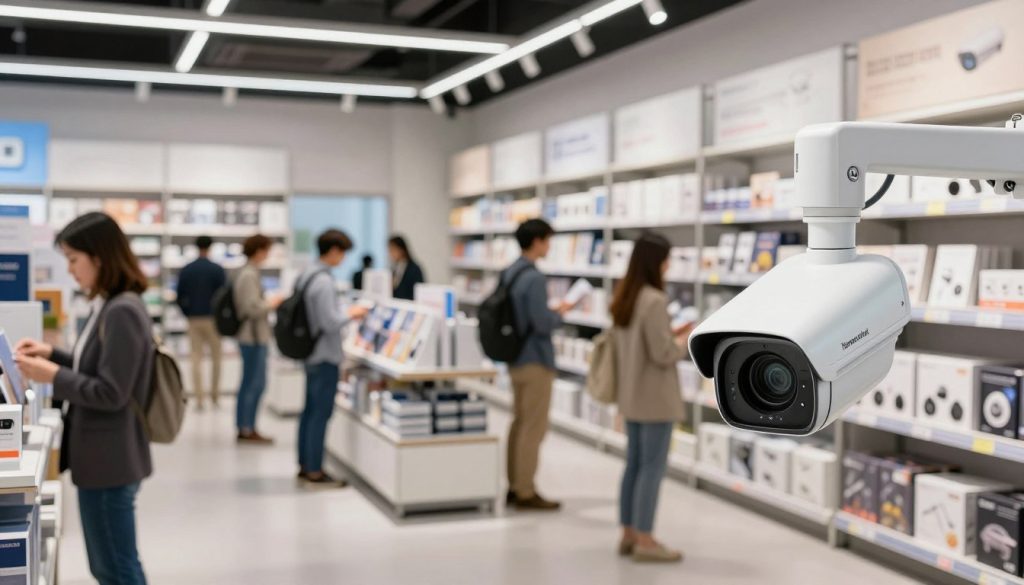
Old ways of watching stores don’t work well anymore. Cameras record what happens, but they don’t stop thefts as they happen. Relying on people to watch everything leaves your stuff open to thieves who know how to avoid cameras.
It’s important to understand how big this problem is. You need to move from just watching to using data to protect your store. Here’s why old systems can’t keep up with today’s thieves.
| Security Feature | Traditional Systems | Modern AI Systems |
|---|---|---|
| Response Time | Reactive (Post-event) | Proactive (Real-time) |
| Detection Accuracy | Low (Human error) | High (Automated) |
| Operational Cost | High (Labor intensive) | Low (Scalable) |
| Data Insights | Limited | Advanced Analytics |
Upgrading your security can really help. Using new shoplifting detection tools lets your team focus on helping customers. It’s key to keeping your store safe and profitable today.
How AI-Powered Shoplifting Detection Works
AI-powered security systems watch your store for any odd behavior. They don’t need people to look at many screens. Instead, they use smart algorithms to check video live.
This lets your team focus on helping customers. The software takes care of keeping your store safe.
This tech uses deep learning to spot certain human actions. It watches lots of videos to learn what’s normal and what’s not. AI-powered security can catch risky actions with 90% accuracy, cutting down on false alarms.
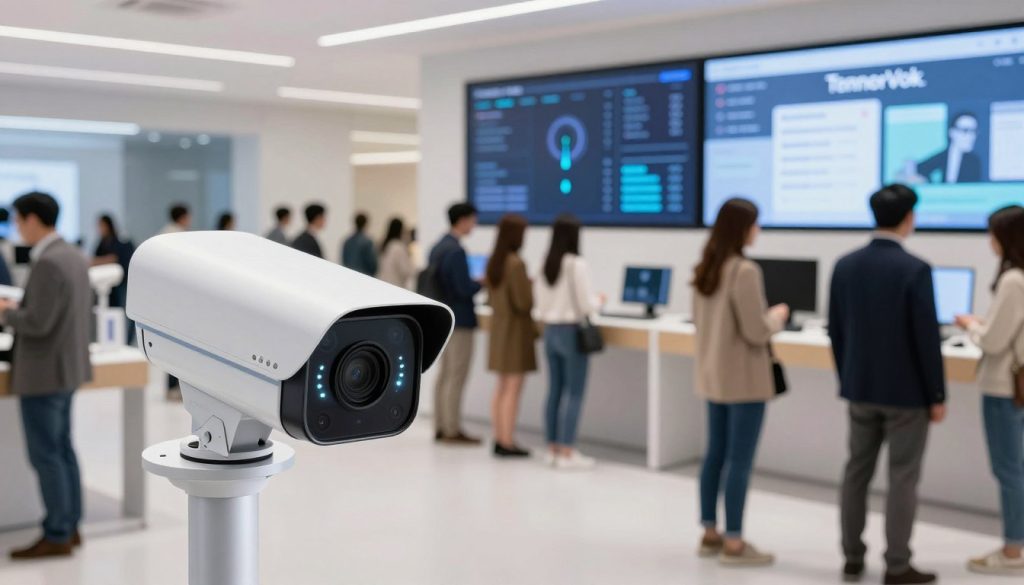
When it spots a possible threat, it alerts your staff right away. This keeps your store safe, even when it’s busy. The key steps in effective shoplifting detection are:
- Continuous Video Ingestion: It uses high-definition footage from cameras to a central unit.
- Anomaly Recognition: It spots odd actions, like sudden moves or staying in banned spots.
- Automated Alerting: Staff get quick alerts on their phones or tablets, so they can act fast.
Using these tools, your business gets a steady, strong defense. Shoplifting detection becomes a forward-thinking action. This makes your store safer and helps your team work better.
Seven Ways AI Alerts Reduce Inventory Loss
Keeping your profits up needs more than just cameras. It needs smart, real-time responses. By adding advanced tech to your daily work, you can fight retail shrinkage and keep your stuff safe. These seven ways help you stay ahead in shoplifting detection and keeping your store safe.
Real-Time Behavioral Analysis
AI watches how customers move to spot odd patterns. It catches things humans might miss. If it sees strange behavior or someone hanging around too long in expensive areas, it sends a quick alert. This lets your team stop a theft before it starts.
Automated Point-of-Sale Exception Monitoring
Stealing by employees is a big problem for many businesses. By linking sales data with video, you can cut down employee theft by 30%. This system flags odd voids, returns, or price changes right away.
Integration with Electronic Article Surveillance Systems
Modern loss prevention works best when old and new tech talk to each other. When an EAS tag is set off, the AI pulls the right video clip. This makes sure your team knows exactly where to look during a problem.
Facial Recognition and Repeat Offender Identification
Knowing who to watch for as they walk in is a big win for security. AI can spot known thieves, letting your team give better service or keep a closer eye. This tech is a strong warning against organized retail crime.
Predictive Analytics for High-Risk Zones
Understanding which parts of your store are most at risk is key. By looking at past data, the system guesses when and where theft might happen. You can then put more staff in those areas when it’s most risky.
Instant Staff Notification Protocols
Quick action is key when dealing with security threats. Real-time alerts on mobile devices let your team act fast. This quick alert system speeds up investigations by 50%, keeping your team safe and informed.
Evidence Collection for Law Enforcement
Good video evidence is vital for catching thieves. AI systems put together the right clips, times, and sales data into one report. This makes it easier to work with the police.
“The future of retail security lies in the seamless marriage of human intuition and machine precision, turning reactive measures into proactive protection.”
| Feature | Traditional Security | AI-Driven Security |
|---|---|---|
| Response Time | Delayed/Manual | Instant/Automated |
| Fraud Detection | Reactive Audits | Real-Time Monitoring |
| Evidence Quality | Fragmented | Consolidated/Verified |
| Staff Efficiency | Low | High |
Key Technologies Driving Modern Loss Prevention
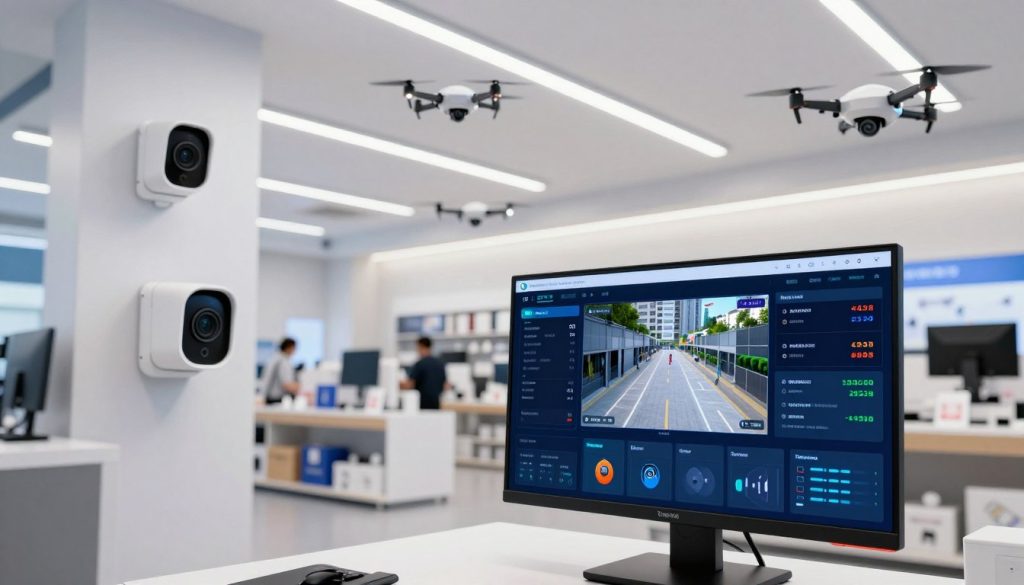
The world of loss prevention is changing. Now, we use systems that work all the time. You can link your CCTV and POS systems together easily. This seamless integration helps you respond fast and keep track of your stock better.
Computer Vision and Deep Learning
Computer vision is like your store’s eyes. It watches for odd patterns that might mean theft. With deep learning, it knows the difference between normal and suspicious actions. This AI-powered security sends real-time alerts to your team when it spots a problem.
These tools check if items are paid for right by linking what they see with sales data. This makes your team’s job easier and your shoplifting detection more accurate.
IoT-Enabled Smart Shelving
IoT smart shelving adds extra protection for valuable items. It uses sensors to keep an eye on stock levels. If something is taken without permission, it alerts your staff right away.
This tech is key for stopping loss. It gives you details that cameras might not catch. With AI-powered security, you get a full picture of your store. This means your shoplifting detection is quick and reliable, helping you avoid stock shortages and get real-time alerts for your team.
| Feature | Traditional Security | AI-Driven Security |
|---|---|---|
| Monitoring | Manual/Reactive | Automated/Proactive |
| Data Usage | Isolated CCTV | Integrated POS & IoT |
| Response Time | Delayed | Instant |
| Accuracy | Human-dependent | High-precision |
Balancing Security with Customer Privacy
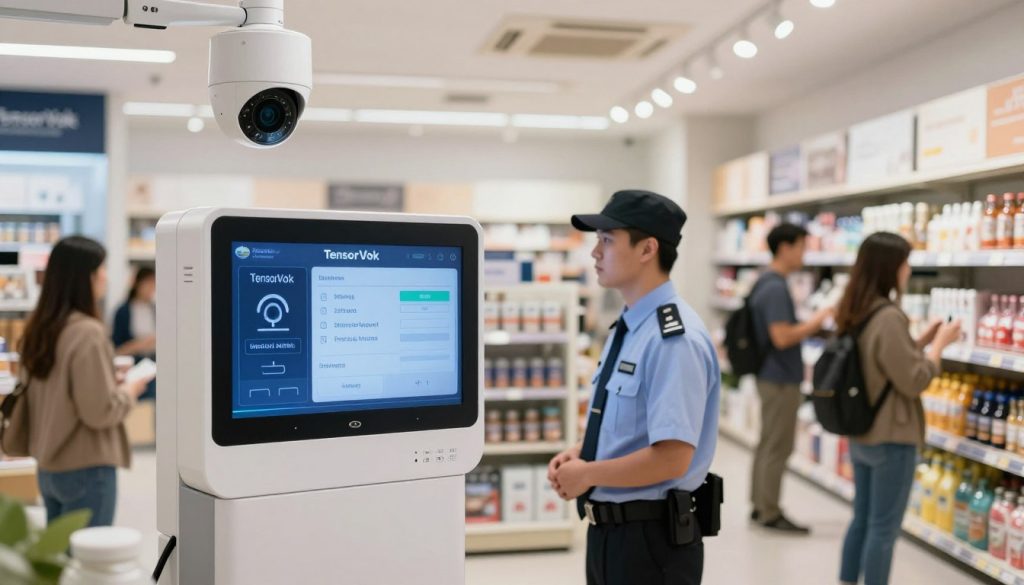
It’s important for retailers to balance security and customer privacy. Using AI-powered security helps protect stores without hurting customer privacy. Keeping this balance is key to building trust with your customers.
Data Anonymization Practices
Today’s shoplifting detection systems use smart algorithms to watch stores. To protect shoppers, use strong data anonymization. This removes personal info from videos, keeping identities safe.
This way, your team can spot suspicious actions without keeping personal data. Data minimization is key here. It means only needed info is used. This shows you care about your customers’ privacy.
“Privacy is not about hiding; it is about having the power to selectively reveal oneself to the world.”
Compliance with State Privacy Regulations
It’s vital for businesses with automated surveillance to know the law. You need to know about privacy laws that require clear rules and regular checks. Showing your AI-powered security clearly helps build trust and keeps you legal.
Checking your systems often makes sure they’re legal. Keeping records of your efforts protects your business. Here’s what a privacy-first security plan looks like.
| Strategy | Implementation | Benefit |
|---|---|---|
| Data Anonymization | Masking facial features | Protects identity |
| Transparency | Clear store signage | Builds customer trust |
| Regular Audits | Quarterly system reviews | Ensures legal compliance |
| Consent Policies | Digital privacy notices | Reduces legal risk |
Implementing AI Systems in Your Retail Environment
Starting to use loss prevention tools means knowing your tech well. The cost for AI-powered security can be from $25,000 to $150,000 per spot. But, saving money on lost items over time can make it worth it. Making the switch carefully keeps your store safe without upsetting shoppers.
Assessing Store Infrastructure Needs
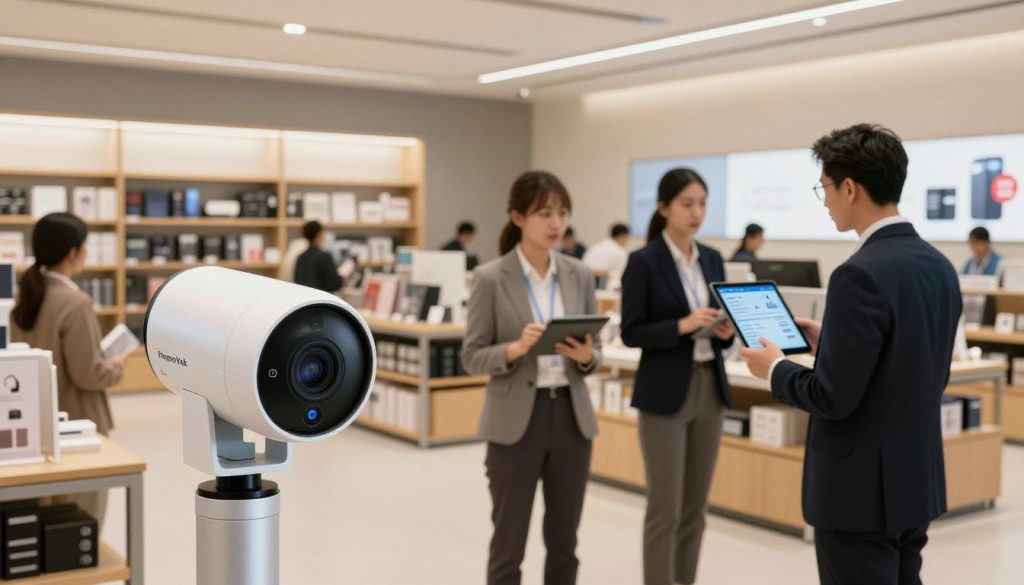
Check your network and cameras before adding new gear. Good shoplifting detection needs clear video and fast internet. Look for spots where thieves might hide valuable items.
Boosting your internet might be needed for AI’s big data needs. Make sure your power can handle new smart devices. A strong base stops tech problems that slow down security.
“Technology is best when it brings people together, and in retail, the best security systems empower staff to act with confidence, not replace their judgment.”
Training Staff on AI-Driven Workflows
Even the best tech needs a skilled team. Offer detailed training on real-time alerts from the system. This helps staff react quickly to possible theft.
Consistency is key in adding these new steps to your routine. Teach your team to see every alert as a chance to get better. This way, you get the most out of your investment and keep everyone safe.
Measuring the Return on Investment for AI Security
It’s key to check how your security upgrades affect your wallet. By knowing how well your tools work, you can show why you spent money on loss prevention. This helps keep your business in the black.
Calculating Shrinkage Reduction Metrics
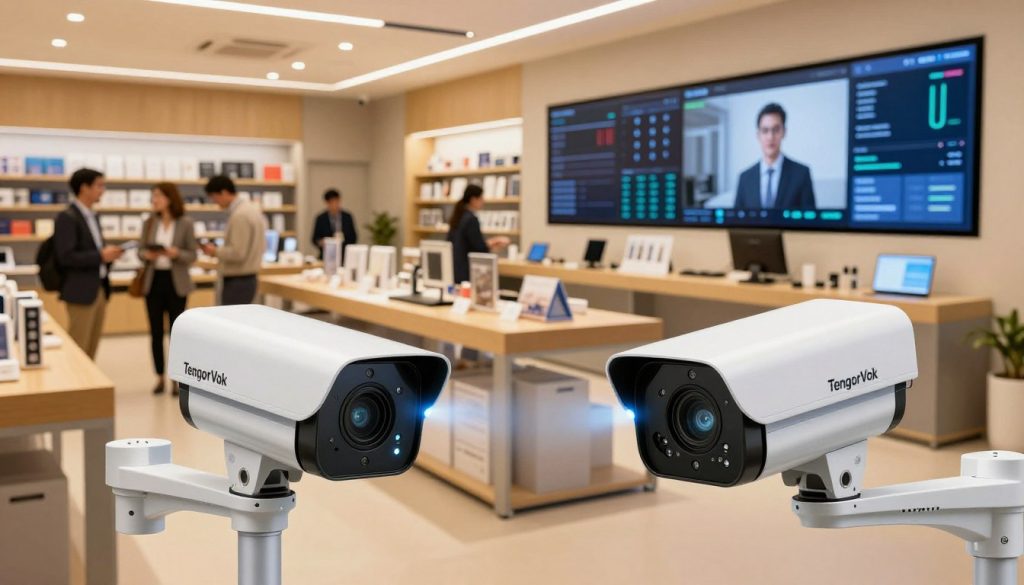
To see the real value, compare your store’s performance before and after new tools. First, find out your retail shrinkage rates from the last year. Then, track how often theft happens and how much you get back.
Good shoplifting detection needs steady data. Look for a drop in missing items during your audits. This shows your AI-powered security is working well.
Long-Term Operational Cost Savings
Oldly, top-notch surveillance was for big companies only. Now, AI-powered security is affordable for small shops. This means even small stores can have top-notch safety without spending too much.
These systems save money in the long run. They cut down on the need for people to watch the cameras. This saves on labor costs for loss prevention. Over time, less theft means more profit, making smart tech a wise choice for stores.
Conclusion
Modern retail needs a proactive approach to protect assets. AI-powered shoplifting detection is key for businesses in over 55 countries. It changes how you manage inventory and keep profits up.
Good loss prevention is more than cameras. It needs smart software to spot risks early. This way, you can keep your store safe and avoid big losses.
Upgrading your security shows you care about doing things right. These solutions work for stores of all sizes. They help you grow while keeping your store safe.
Check your security now. Adding smart monitoring software makes your business strong and competitive. Start using smarter retail management today to protect your assets for years.