
Can your current facility monitoring system really stop a big exposure event before it starts? Many industrial sites use old visual tools that miss small changes. These old systems often have blind spots, which can be very dangerous when working with harmful materials.
Updating these systems is now a critical safety need. By adding AI HAZWOPER Technology, places can turn old cameras into active protectors. This change lets them spot leaks or wrong gear use right away, keeping safety rules followed fast.
Switching to smarter digital systems closes the gap between just reacting and preventative excellence. As work places get more complex, just watching with our eyes is not enough. Using advanced digital tools gives the precision and speed needed to keep your team safe in risky areas.
Key Takeaways of AI HAZWOPER Technology
- Old video systems often can’t handle today’s hazardous waste needs.
- Smart monitoring upgrades give quick alerts for possible toxic exposure.
- Auto systems cut down on human mistakes in critical operations.
- Better visual data helps managers keep strict safety rules everywhere.
- Buying modern safety tools greatly lowers long-term risks and legal troubles.
The Evolution of Surveillance in Hazardous Waste Environments
The world of industrial safety is changing fast. The EPA’s 2021 Biennial Report shows U.S. facilities made over 34 million tons of hazardous waste. This big number means we need AI HAZWOPER Technology to keep sites safe and protect workers.
Transitioning from Analog to Intelligent Monitoring
Old systems used manual checks and simple cameras. These setups often missed important events. Now, AI HAZWOPER Technology turns video into useful information.
Places are moving to systems that send alerts before problems happen. This change helps fight environmental dangers better. Key benefits include:
- Spotting people where they shouldn’t be.
- Watching storage containers for damage.
- Working with sensors for full site awareness.
Regulatory Compliance and Safety Standards in HAZWOPER
Following strict safety rules is a must for waste management. Laws demand detailed records and constant checks to avoid big problems. AI HAZWOPER Technology helps with these tasks.
This change makes sure every place follows modern environmental laws. Automated systems keep an unbiased record of work. This is key for inspections. It keeps safety high and cuts down on paperwork for managers.
The Role of AI in Reducing Human Exposure to Toxins
The main goal is to keep people safe from harm. AI HAZWOPER Technology uses smart cameras to watch over risky areas. This means fewer people have to go into dangerous places.
Using machines for the job keeps workers safe. This smart use of tech not only protects health but also makes work more efficient. Proactive monitoring is the way forward for safe waste management.
Key Benefits of Integrating AI with Legacy Video Infrastructure
Adding advanced software to old camera systems makes surveillance better. It turns watching into a proactive safety shield. Now, risks can be spotted before they become big problems.
This update lets companies use their old gear but adds smart safety features. It helps protect workers in risky areas.

Real-Time Anomaly Detection and Predictive Analytics
Almost 40% of injuries in risky areas happen because of safety rule breaks. Old ways of watching can miss these issues. But predictive analytics change that.
AI HAZWOPER Technology checks video feeds for odd patterns that might mean trouble. It spots these signs early and alerts supervisors to act fast.
This move from just watching to real-time prevention cuts down on mistakes. It makes video a key tool for keeping everyone safe.
Automated PPE Compliance Monitoring
It’s hard to make sure everyone wears the right safety gear in dangerous places. AI HAZWOPER Technology makes this easier. It spots things like masks, gloves, and vests.
The system gives instant feedback if it sees someone without the right gear. This means safety officers don’t have to check as much. It keeps everyone safe without needing more people.
Enhanced Incident Response and Documentation
When something bad happens, acting fast and accurately is key. AI systems give detailed, timed reports that are vital for looking into incidents later. This helps teams find out what went wrong and make safety plans better.
AI HAZWOPER Technology makes sure every incident is recorded clearly. This clear data is great for reports and planning for the future. It turns simple video into useful safety insights.
Top AI-Powered Video Analytics Platforms for Industrial Upgrades
Choosing the right video analytics platform is key for AI HAZWOPER Technology. Modern places need software that works fast. Edge AI lets systems act quickly without needing the cloud.
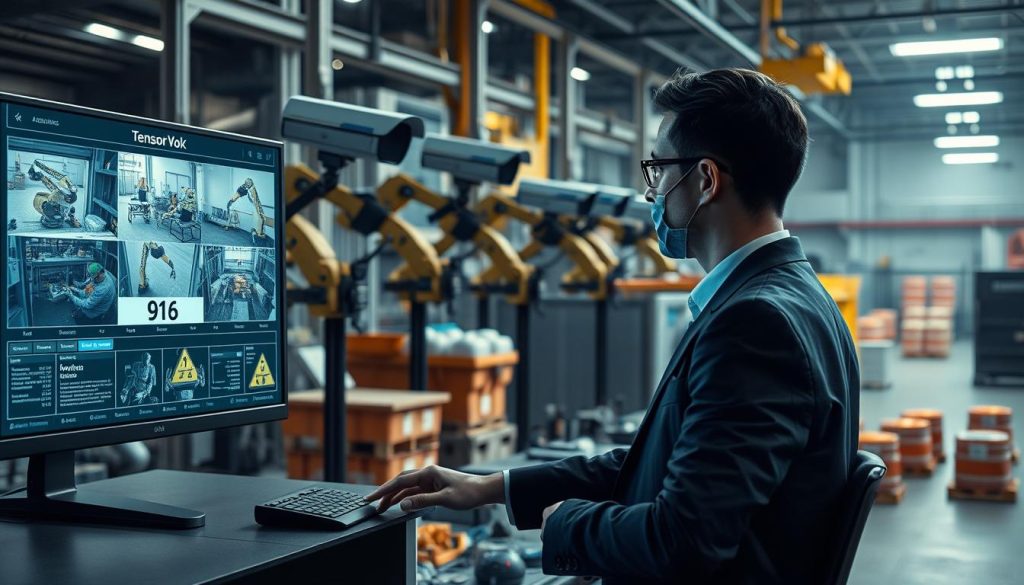
BriefCam Video Content Analytics
Overview
BriefCam turns video into useful info. It makes long videos short and easy to find.
Pros
It’s great for quick reviews and solving mysteries. It works well with current systems, making upgrades easy.
Cons
Setting it up can be hard for new teams. It needs a lot of power to work well.
Features
It has object classification, alerts, and detailed reports. These help keep places safe.
Avigilon Control Center with Appearance Search
Overview
Avigilon Control Center (ACC) uses AI to find people or cars. It’s known for its smart learning in work places.
Pros
The Appearance Search makes finding things fast. It’s good at spotting safety issues right away.
Cons
It’s a closed system, which might limit choices. It can cost more than open-source options.
Features
ACC is very good at finding odd things and faces. This AI HAZWOPER Technology helps watch people near dangerous stuff.
| Feature | BriefCam | Avigilon ACC |
|---|---|---|
| Primary Focus | Video Summarization | Deep Search Analytics |
| Edge Processing | Supported | Highly Optimized |
| Ease of Use | Moderate | High |
| Scalability | High | Enterprise-Grade |
Hardware Considerations for Retrofitting Legacy Systems
Upgrading to AI HAZWOPER Technology needs a balance. You must choose between strong processing and durability. Old industrial sites need new parts that can handle tough conditions and work well.
Choosing the right hardware is key for a good monitoring system. It keeps data flowing smoothly, even in harsh hazardous waste areas.
Edge Computing Devices for On-Site Processing
Many hazardous waste sites are far from internet. Rugged tablets and edge-first deployment help them work without the cloud.
These devices handle video data on their own. This cuts down on delays and makes sure alerts are sent right away. Keeping the smarts at the edge keeps things running smoothly, no matter the network.
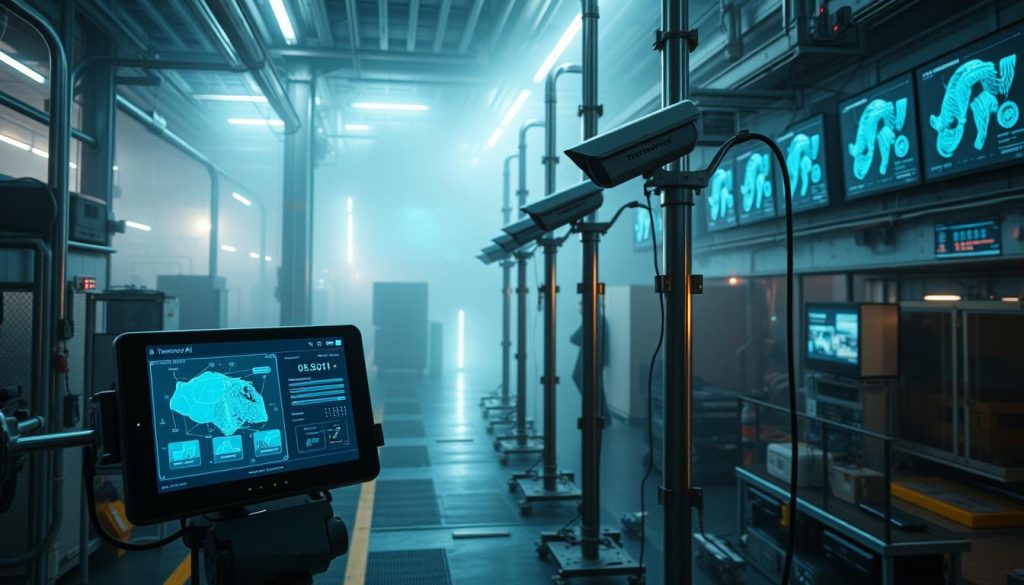
“The true power of industrial intelligence lies in the ability to process data exactly where the action happens, ensuring safety without reliance on fragile infrastructure.”
High-Definition Camera Upgrades for Low-Light Environments
Old systems struggle in dark places. Upgrading to high-definition sensors is key for AI HAZWOPER Technology to spot safety risks.
Modern cameras with infrared or low-light sensors give clear images. This lets the software find small issues that humans might miss.
Network Bandwidth Optimization for Remote Monitoring
Streaming video from many cameras can overload networks. Bandwidth optimization techniques are needed to keep connections stable to remote centers.
Methods like adaptive bitrate streaming and adjusting frame rates help manage data. These steps keep AI HAZWOPER Technology working well without needing big network changes.
Implementing AI HAZWOPER Technology in High-Risk Zones
Upgrading to AI HAZWOPER Technology is more than just adding cameras. It’s about making the whole site safer. Facilities need to think about how to use new tools without stopping work.
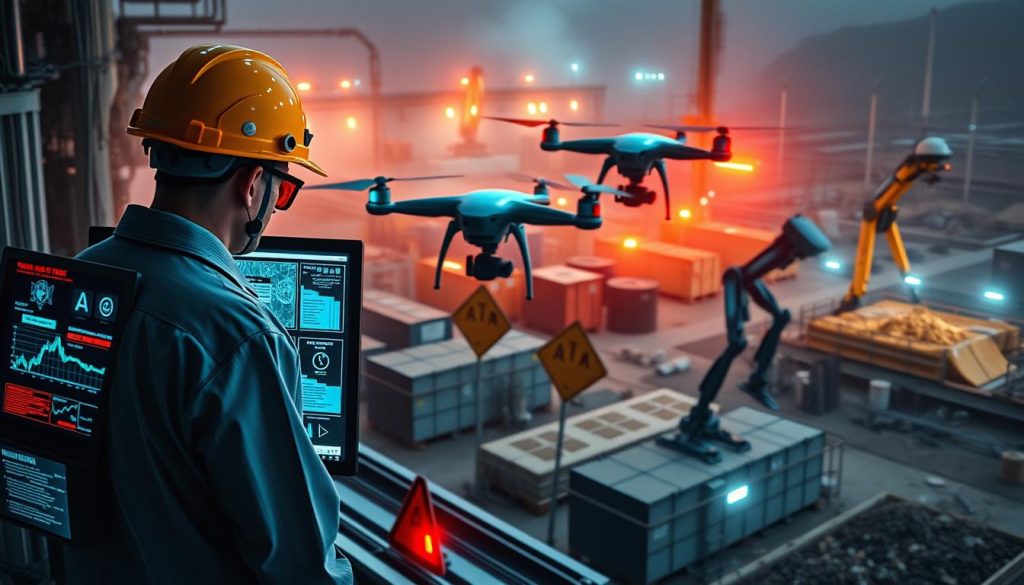
Assessing Existing Infrastructure Compatibility
Before starting, engineers must check the site’s current setup. Many places have old wiring and signals that can’t handle new data. Compatibility assessments help figure out if new tools will work or if everything needs to be replaced.
Efficiency gains come from spotting problems early. By knowing what needs fixing, managers can plan better. This saves time and money later.
Data Privacy and Cybersecurity in Hazardous Waste Facilities
Keeping data safe is key. AI HAZWOPER Technology works best when it’s local. This way, facilities avoid online threats.
This on-premise approach keeps important data safe. It helps make quick decisions without internet delays. Keeping data safe is vital for safety and following rules.
Training Personnel for AI-Assisted Operations
People are as important as the tech. They need to know how to use AI HAZWOPER Technology. Training should teach them to spot real safety issues.
Creating a safe team culture is important. It makes workers trust the tech and stay alert. Regular training keeps everyone up to date on safety and tech.
Case Studies of Successful Video System Modernization
Stories from the field show how smart tech improves hazardous waste management. Facilities now use AI HAZWOPER Technology for more than just recording. This change makes workplaces safer and more efficient.
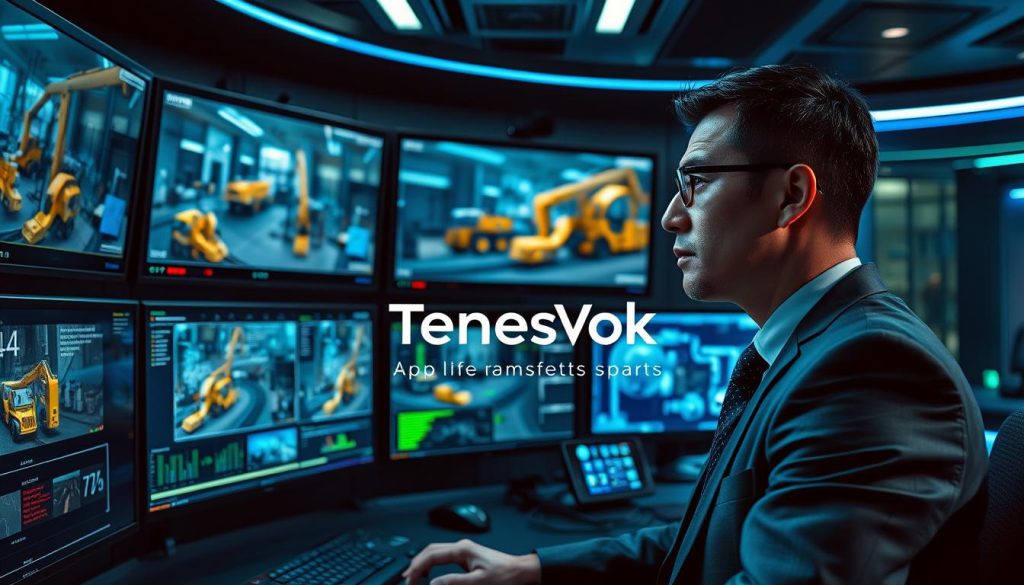
Chemical Processing Plant Efficiency Gains
A big chemical maker updated its video system with automated anomaly detection. With AI HAZWOPER Technology, they cut emergency response time by almost 40 percent. The system spots leaks or unauthorized access early, preventing big problems.
The plant also saw better visibility in risky areas. Staff say predictive analytics help them plan maintenance better. This keeps equipment working well and reduces risk to people.
Nuclear Waste Storage Facility Safety Improvements
Safety is key in nuclear waste management. A storage site used AI HAZWOPER Technology to watch remote areas safely. This lets them keep an eye on things without risking people’s health.
The site’s success depends on its operators. They have a strict training program. All staff must:
- Complete 24 to 40 hours of training.
- Get yearly updates to stay current.
- Practice drills to test their skills.
By using AI HAZWOPER Technology and training, the site lowered its risks. These stories show why updating video systems is key for handling hazardous materials.
Overcoming Common Challenges in System Integration
Adding new tech to old systems is tricky. Many places struggle to add new software to old cameras. AI HAZWOPER Technology helps make old systems work with new safety needs.
Managing Legacy Hardware Limitations
Old cameras can’t handle new tech needs. They often miss important safety checks. AI HAZWOPER Technology helps by automating checks, reducing mistakes.
- Upgrade firmware to support modern communication protocols.
- Deploy edge computing devices to handle local data processing.
- Replace non-compatible sensors with high-definition alternatives.
Ensuring Interoperability Between Disparate Systems
Getting different systems to talk to each other is hard. This makes keeping everyone safe harder. AI HAZWOPER Technology connects these systems, making safety easier.
This makes sure all data is shared well. It helps managers keep an eye on risky areas without worrying about system differences. Reliability is key when linking old cameras to new AI.
Budgeting for Long-Term AI Maintenance
Planning for AI costs is more than just buying it. It includes ongoing expenses for updates and checks. AI HAZWOPER Technology needs a steady budget to stay safe.
To keep things running smoothly, consider these budget tips:
- Set aside money for yearly software updates and security fixes.
- Do regular checks on hardware to see when it needs to be replaced.
- Invest in training for staff to keep up with AI changes.
Future Trends in AI-Driven Hazardous Waste Management
The world of hazardous waste management is changing fast. New digital technologies are leading the way. AI HAZWOPER Technology is key to making operations safer and more efficient.

Integration with Autonomous Robotics
Autonomous robots are coming to high-risk areas. They use AI HAZWOPER Technology to move around and clean up safely. This means less danger for people.
- Autonomous drones for aerial site mapping and structural inspection.
- Robotic crawlers designed for confined space entry and waste sampling.
- Automated sorting systems that identify and categorize hazardous materials.
Advanced Thermal Imaging and Gas Leak Detection
Spotting problems early is key to avoiding big disasters. New sensors work with video systems to send real-time alerts about temperature changes or gas leaks.
These systems catch hidden dangers before they become big problems. By using thermal data and smart algorithms, leaks can be found quickly. This helps keep the environment safe.
Cloud-Based Centralized Command Centers
Having all data in one place is the future of safety. Cloud-based command centers let teams watch AI HAZWOPER Technology from anywhere. This gives leaders the info they need fast.
The industry is also using new training tools. Augmented Reality (AR) and virtual reality help train staff for these advanced systems. These tools make sure workers are ready for the latest safety tech.
Conclusion
Modernizing old infrastructure is key for facility managers in high-risk areas. Using AI HAZWOPER Technology turns regular video into safety tools. These tools protect people from hidden dangers.
These smart systems connect old hardware with today’s safety needs. They make finding hazards automatic, reducing the need for people to watch dangerous areas. This makes managing complex waste safer and more efficient.
Choosing AI HAZWOPER Technology saves money in the long run by cutting down on accidents. It also makes following rules easier. Leaders who update their systems lead in safety. They use data to stop accidents before they start.
Check how you monitor now to find ways to get better. Using advanced analytics helps your team stay alert. Staying up-to-date makes your workplace safer and more productive for everyone.