
Did you know over 85% of our nation’s critical infrastructure is owned by the private sector? These 16 vital areas keep our public health and economy stable every day.
Protecting these assets is a huge challenge. A single breach can cause big problems that spread across the country.
Effective industrial site protection is now a must. It’s the first defense against threats that could harm essential services.
For better critical infrastructure security, we need smarter tools. Using AI perimeter intrusion detection helps teams stay ready for risks. Resilience is key for a safer future.
Key Takeaways of AI Perimeter Intrusion Detection
- Over 85% of critical infrastructure is privately owned.
- Physical threats can cause dangerous cascading failures.
- Modern technology is essential for national resilience.
- Proactive monitoring prevents unauthorized access to sensitive sites.
- Securing industrial assets protects the broader economy.
Understanding the Fundamentals of AI Perimeter Intrusion Detection
Companies are now using AI-powered monitoring instead of old security methods. This change helps protect industrial sites better. It lets them spot threats before they happen.
Defining AI-Driven Perimeter Security
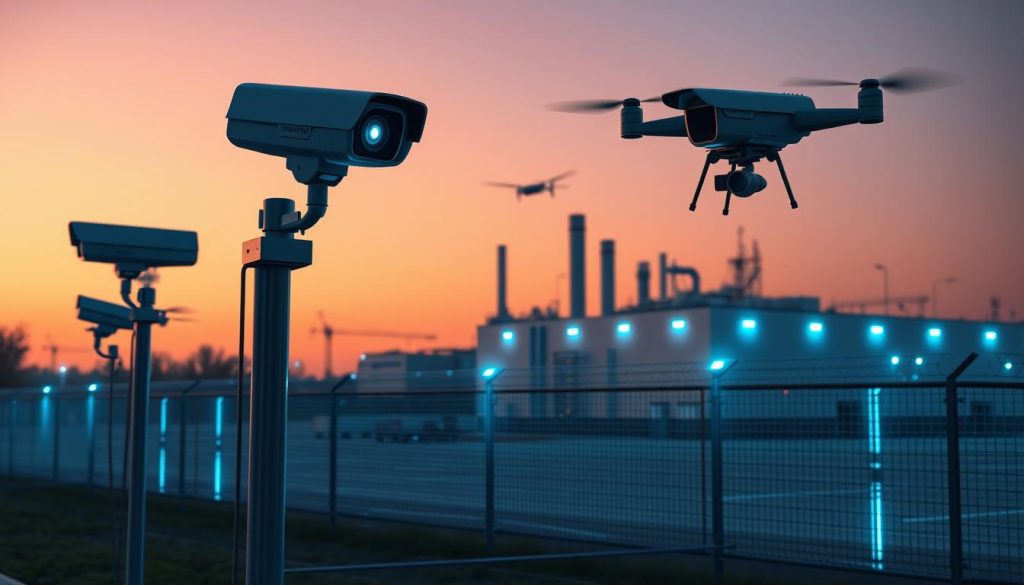
AI perimeter intrusion detection means using smart surveillance. It’s different from old systems that just record. These new systems use deep learning algorithms to spot real threats.
This smart tech helps security teams focus on real alerts. It makes security better by automating detection. It turns the perimeter into a smart, active defense.
The Shift from Traditional Sensors to Intelligent Analytics
Old physical security systems used simple sensors. These often caused false alarms. This led to security teams ignoring too many alerts.
Now, video analytics helps a lot. It uses visual data to identify objects accurately. This means security teams only get alerts for real threats.
Core Components of an AI Detection Ecosystem
A strong defense needs both hardware and software working together. A good system has several key parts for full coverage and accurate reports.
- High-Resolution Imaging: Cameras that give clear images for the software to analyze.
- Edge Processing Units: Hardware that runs deep learning algorithms fast to cut down on delays.
- Centralized Management Software: A platform that brings together data from all physical security systems.
- Automated Alerting Engines: Tools that only alert humans when a real threat is found.
With these parts, facilities get a full view of their perimeter. This way, even complex sites stay safe from new threats.
How AI Enhances Security for Critical Infrastructure
Artificial intelligence is changing how we protect our most important places. It uses smart algorithms to make security better and keep up with new threats. This helps security teams be more proactive and smart in their defense.
Reducing False Positives in High-Traffic Zones
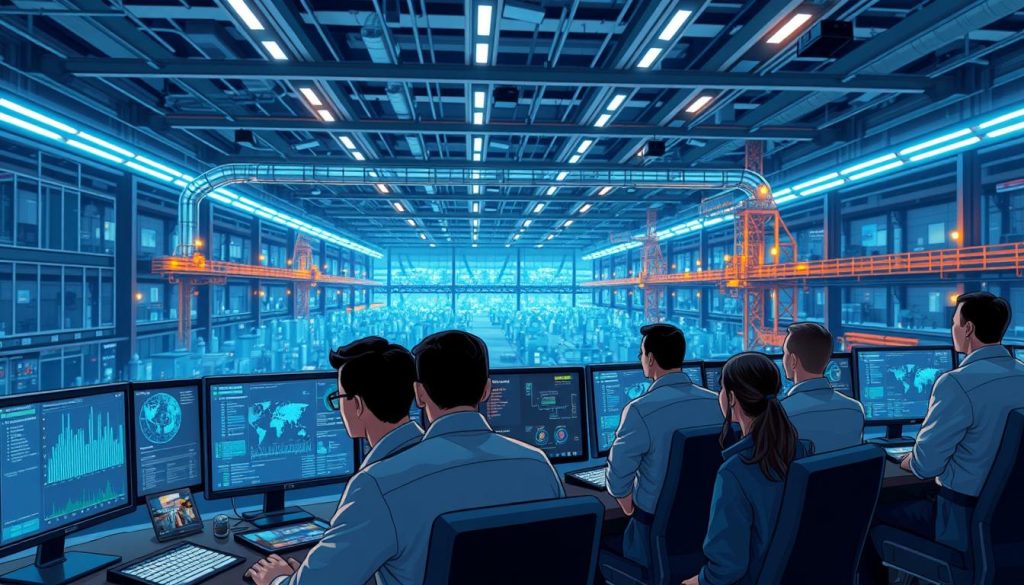
Big sites face a big problem: too many alerts from things like wind and animals. These alerts can really wear out security teams. Effective false alarm reduction means AI can tell real threats from just noise.
AI systems sort out the bad data, so teams only deal with real threats. This makes security teams more efficient. They can focus on real dangers without getting bogged down.
Real-Time Threat Identification and Classification
Today’s AI is super fast at spotting intruders. It looks at video and sensor data to figure out what’s happening. This is key for keeping watch over big industrial areas.
The AI keeps learning and gets better at spotting new threats. It alerts teams right away, giving them time to act. This quick response is key to keeping things safe.
Automated Response Protocols for Immediate Mitigation
When AI finds a real threat, it can start automated threat response right away. This might include locking doors or calling the police. It’s all about making sure infrastructure resilience is top-notch.
These quick actions stop intruders fast. By using these automated steps, places stay safe all the time. It’s a reliable way to protect what’s important.
Key Technologies Powering Modern Detection Systems
Industrial security systems work best when they use advanced sensing tech. They mix hardware with smart software. This keeps places safe from unwanted visitors. Video analytics is key, handling lots of data to spot threats fast.
Computer Vision and Deep Learning Algorithms
Deep learning algorithms are at the core of today’s security. They learn to tell real threats from just movement. With object tracking, they keep an eye on intruders, even in tough places.
This makes life easier for security teams. They only get alerts when something serious happens. This means places stay safe all the time.
Thermal Imaging Integration for Low-Light Environments
Regular cameras struggle in dark or foggy places. Thermal imaging finds heat, not light. It lets systems see through things that hide regular cameras.
Thermal sensors add a solid layer of defense. They catch intruders, even in bad weather. This is key for keeping areas safe, no matter where they are.
LiDAR and Radar Fusion for Precise Object Tracking
Radar technology and LiDAR work together for top accuracy. They measure distance and speed, helping track fast objects. This makes a detailed map of the area.
But, keeping these devices safe from hackers is critical. Cybersecurity for sensors is as important as their physical security. Engineers must keep data safe and update software often.
| Technology | Primary Benefit | Best Use Case |
|---|---|---|
| Video Analytics | High-level classification | General site monitoring |
| Thermal Imaging | Visibility in darkness | Nighttime perimeter defense |
| Radar Technology | Precise distance tracking | Large, open-field detection |
| LiDAR | High-resolution mapping | Restricted zone monitoring |
Addressing Operational Challenges in Industrial Environments
Keeping big facilities safe is tough. They have complex layouts that make it hard to watch them. It’s key to have strong industrial site protection plans to keep everyone safe and things running smoothly.
Managing Environmental Noise and Interference
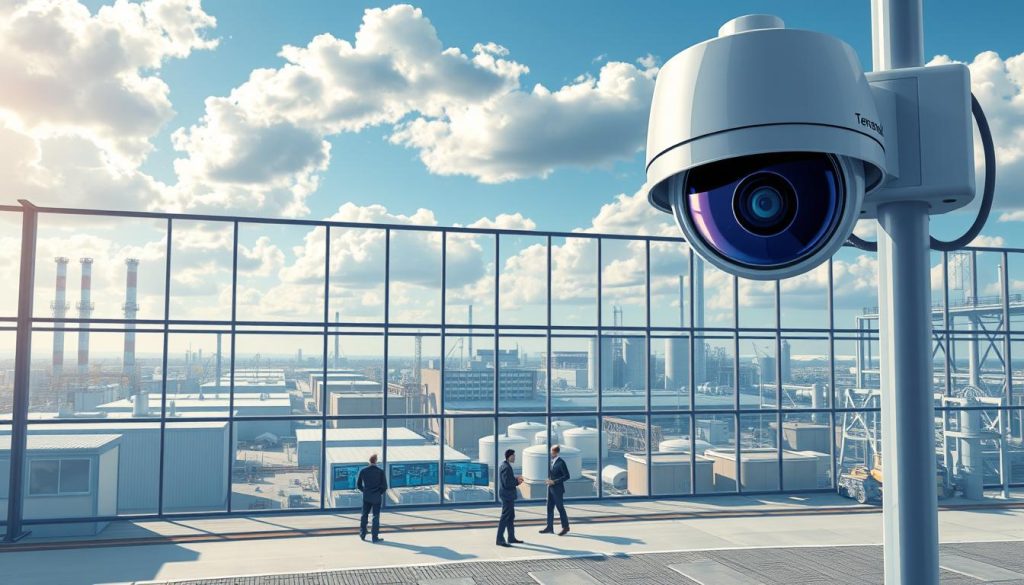
Industrial areas are very loud. They have moving machines, changing shadows, and animals. These things can cause false alarms that bother security teams a lot.
Advanced tech helps cut down on these false alarms. It uses false alarm reduction to tell real threats from just normal stuff. This makes security teams work better.
Scalability Across Large-Scale Industrial Sites
Big places need physical security systems that can grow with them. A system that can add more parts easily is very helpful. This is important for big energy plants or factories.
Having one place to see everything helps a lot. It makes it easier to watch over a big area. It also keeps security rules the same everywhere, no matter how big the site is.
Ensuring System Reliability in Harsh Weather Conditions
Bad weather can mess up regular cameras. But, thermal imaging works in rain, fog, or dark. It sees heat, not light, so it always watches.
If something looks off, the system can quickly tell the police or set up barriers. This fast action helps keep intruders out. Here’s how different techs do in bad weather.
| Technology | Weather Resilience | Detection Accuracy | Primary Use Case |
|---|---|---|---|
| Standard Optical | Low | Moderate | Daytime Monitoring |
| Thermal Imaging | High | High | Night/Harsh Weather |
| LiDAR/Radar | Very High | High | Precise Tracking |
Regulatory Compliance and Security Standards in the United States
Understanding the complex rules is key for any group using new security tech in the U.S. Laws and standards for each field tell how to keep places safe. Following these rules is not just about avoiding fines; it’s essential for using smart security systems well.
Adhering to NERC CIP Requirements for Energy Grids
The North American Electric Reliability Corporation (NERC) has rules for energy companies. These rules help keep the power system safe from threats. Companies must follow NERC CIP compliance to stay safe and avoid big fines.
Using automated systems means following strict rules for who can access them. People in charge must show their security plans meet these high standards. This makes the perimeter defense stronger against unwanted access.
Data Privacy and Cybersecurity Best Practices
Modern security tools can connect to networks, which can be risky. It’s vital to have strong cybersecurity for sensors to stop data leaks. Teams should change default passwords to something strong and unique.
Keeping systems up to date is also key. Regular tests on connected devices help find and fix problems before they cause harm. These steps keep cybersecurity for sensors strong against new threats.
The Role of NIST Frameworks in Perimeter Defense
The National Institute of Standards and Technology (NIST) offers a detailed plan for managing cybersecurity risks. Using these guidelines helps groups protect their important stuff in a standard way. This is key for NERC CIP compliance and for always getting better.
Following NIST advice helps managers mix physical and digital security. This complete approach makes perimeter defense strong and flexible. These standards are the base for keeping critical assets safe nationwide.
Conclusion of AI Perimeter Intrusion Detection
Modern security needs smarter, faster, and more reliable ways to defend. Organizations use AI to spot threats early. This helps keep important assets safe and services running smoothly.
Keeping critical infrastructure secure is a big deal for facility managers in the U.S. These smart systems give the insight needed to handle complex situations. They turn data into useful information to protect people and equipment.
Building strong, lasting infrastructure means using new, smart technologies. Companies that use these tools are better prepared for new risks. Improving detection skills is key to keeping everyone safe and services going. Leaders in the industrial world must focus on these upgrades to stay safe in our connected world.