
Did you know nearly 60% of workplace accidents in industrial zones happen because of a lack of awareness? This shocking fact shows a big problem with old safety methods. Now, companies are using high-visibility vest monitoring as a key part of keeping their sites safe.
By adding smart tech to regular clothes, managers can track where people are right away. This change makes simple clothes into a vital data-driven asset. It’s not just a trend; it’s a must for any risky place.
Using these advanced systems is a big step towards stopping accidents. When teams can spot dangers early, they keep their most important asset safe: their people. This tech makes sure safety is always a real, measurable thing on the ground.
Key Takeaways of High-Visibility Vest Monitoring
- Real-time tracking greatly lowers the chance of workplace injuries.
- Modern safety gear now acts as an active data collector.
- Knowing what’s happening around you is key to preventing accidents.
- Adding technology is critical for keeping high-risk industrial sites safe.
- Smart clothes give managers useful insights for keeping sites safe.
The Evolution of Workplace Safety Technology
The world of workplace safety technology has changed a lot in recent years. Companies are moving from old, static safety methods to new, high-tech ways to protect workers. This change is key in how businesses handle risks and keep their teams safe.
From Passive PPE to Active Monitoring
Old safety methods used things like high-visibility vests and hard hats. These items are important but only offer basic protection. Active monitoring now adds to this by using sensors to track workers and their surroundings in real-time.
This new approach helps managers spot dangers early. It means they can act fast to prevent accidents. This way, safety efforts are more effective and timely.
The Role of Digital Transformation in Industrial Safety
Digital transformation has changed industrial safety a lot. It uses connected devices and cloud analytics to give safety officers a better view of their work areas. This data-driven method replaces old ways of guessing with accurate, useful information.
Today, preventing risks is the main goal for industrial companies. The table below shows how old safety systems differ from the new, integrated ones.
| Feature | Legacy Systems | Modern Integrated Systems |
|---|---|---|
| Safety Approach | Passive/Reactive | Proactive/Real-Time |
| Data Visibility | Manual Reporting | Automated Dashboards |
| Accident Prevention | Post-Incident Analysis | Predictive Hazard Alerts |
| Technology Level | Basic Reflective Gear | IoT-Enabled Wearables |
Understanding High-Visibility Vest Monitoring Systems
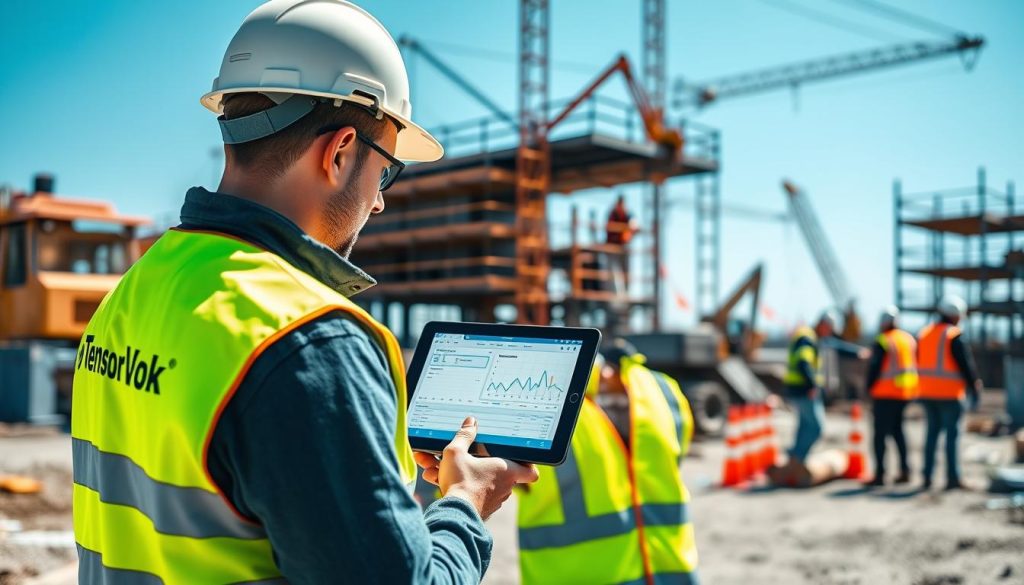
Today, industrial safety uses technology in our daily gear. High-visibility vest monitoring is key for managers to track workers in big job sites. These systems offer more protection than just reflective fabric.
Core Components of Smart Safety Vests
Smart safety vests have many parts for lasting use and accuracy. They have GPS, long-lasting batteries, and ways to send signals. Reliability is the main goal, working well even in tough weather or dusty places.
These vests also have motors for haptic feedback and LED lights. They can warn workers of dangers with physical or visual signals.
How Real-Time Location Systems Function
Real-time location systems use anchors or satellites to find a worker’s exact spot. They calculate the signal time to map the site. This data is then used by software to show where everyone is.
This setup is key for keeping worker visibility in big operations. It lets supervisors know where teams are at all times. It also stops workers from going into dangerous areas.
Benefits of Continuous Visibility Tracking
Tracking workers continuously has big safety and efficiency benefits. It lets managers send hazard alerts right away if a worker is near danger. Also, some models track heart rate and body temperature to prevent heat-related problems.
| Feature | Traditional Vest | Smart Safety Vest |
|---|---|---|
| Visibility | Passive Reflective | Active GPS Tracking |
| Alerts | None | Real-Time Hazard Alerts |
| Data | Manual Logs | Automated Biometric Monitoring |
| Connectivity | None | Cloud-Integrated |
Using these systems helps create a safe work culture. The data shows where risks are, helping prevent injuries. This tech makes sure workers go home safe at the end of their shift.
Assessing Your Site Requirements for Real-Time Tracking
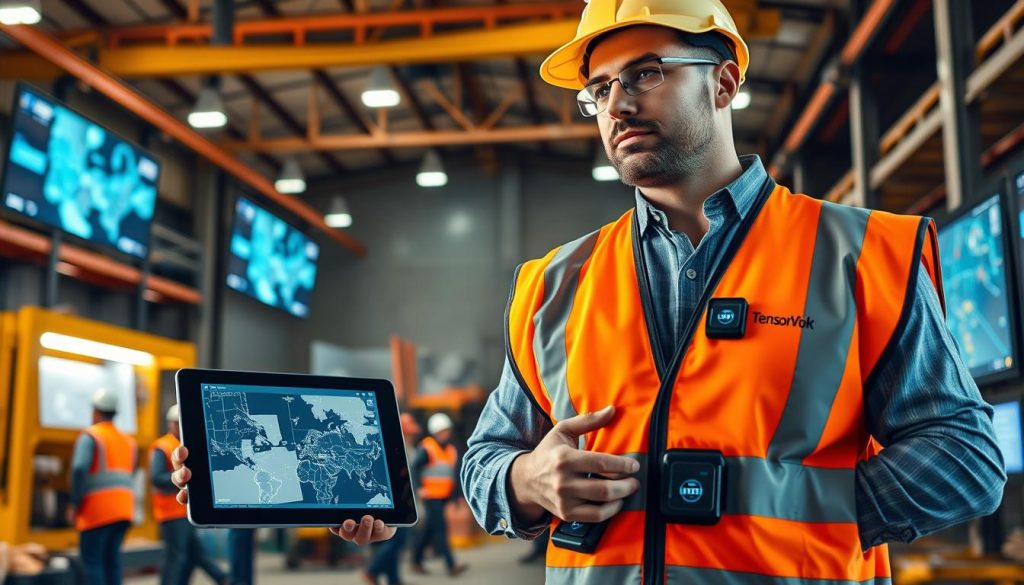
Starting with tracking tools means knowing your site well. Before using real-time location systems, safety managers need to check their space. They must make sure the tech fits their site’s needs.
Evaluating Environmental Hazards and Site Layout
Every site has its own challenges for tracking tools. Managers should mark busy areas, spots where you can’t see, and places with big machines. This helps place beacons and sensors right where they’re needed most.
Determining Connectivity Needs for Remote Locations
Remote sites often face signal issues, which is key for tracking. Companies need to check if their networks can handle real-time location systems. Sometimes, they need special networks or satellite links to keep data flowing.
Identifying Key Performance Indicators for Safety
Before starting a safety program, leaders must set clear goals. Using safety data analytics helps track how well the program is doing. This way, companies can improve worker visibility and stay safe over time.
| Assessment Factor | Primary Objective | Impact on Safety |
|---|---|---|
| Site Layout | Identify blind spots | High |
| Connectivity | Ensure data uptime | Critical |
| Analytics | Measure performance | Medium |
| Hazard Mapping | Reduce near-misses | High |
Using safety data analytics lets managers adjust their plans based on real results. This approach makes sure real-time location systems are worth it and keep people safe in tough places.
Step-by-Step Implementation of High-Visibility Vest Monitoring
Using smart safety vests in the workplace is a big step. It changes how we think about safety. Companies need a clear plan to make sure everything works well together.
By following a detailed plan, managers can add real-time tracking. This makes the workplace safer for everyone.
Selecting the Right Hardware and Software Infrastructure
The key to a good high-visibility vest monitoring program is the right tech. Look for systems that work well in tough environments. They should also fit with what you already use.
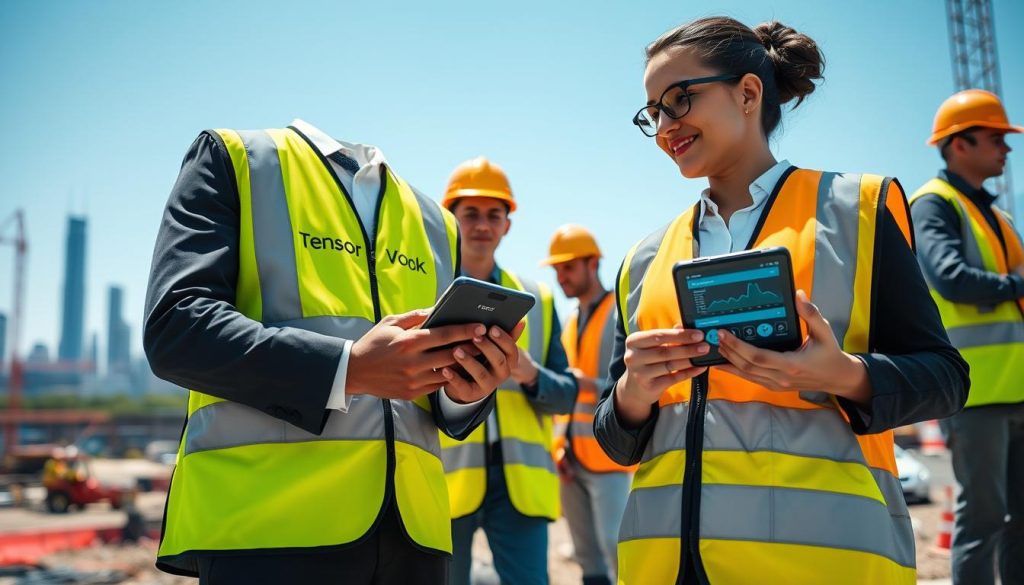
It’s important to choose tech that can grow with your company. This way, you can add more vests as your team gets bigger. Reliable data transmission is also key to keeping information up to date.
Configuring Geofencing for Restricted Zones
Geofencing helps by setting up virtual fences around dangerous spots. When someone with a smart vest goes into a restricted area, the system knows right away. This helps keep workers safe from high-risk areas.
Setting up these zones needs careful planning. You need to know the layout of your site well. Consistent monitoring of these areas keeps everyone safe all day.
Establishing Communication Protocols for Alerts
Having clear safety protocols is key. When danger is detected, the system should send out alerts fast. This quick action is vital to stop accidents before they happen.
Make sure alerts get to the right people quickly. Having a plan for who gets what kind of alert helps. Effective communication means everyone knows what’s urgent.
Training Personnel on New Safety Equipment
Getting everyone to use PPE right takes training. Teach them how the vests work and why they’re important. It’s important for workers to know these tools are for their safety.
Hands-on training is best. It lets staff get used to the tech. Encourage feedback to make sure everyone feels comfortable and safe. Ongoing education keeps safety high as your team grows.
Integrating IoT Sensors and Wearable Technology
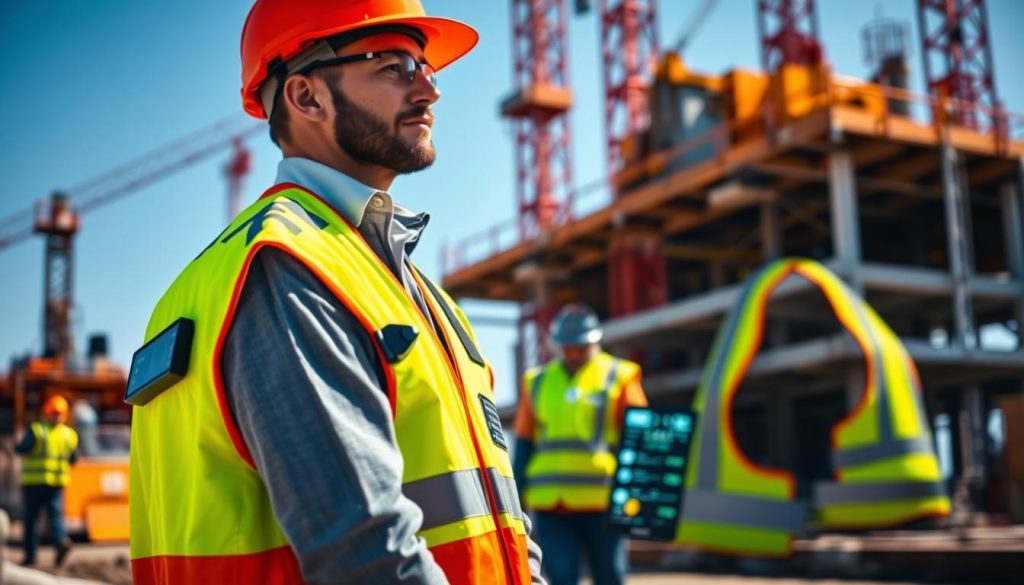
The mix of wearable technology and smart sensors is changing site safety management. By adding advanced electronics to safety gear, companies can create a safety environment that acts fast to dangers.
Syncing Vests with Heavy Machinery Proximity Sensors
Today’s safety vests have IoT sensors that talk to heavy equipment. This lets the system know when a worker is near a vehicle or crane.
If a worker gets too close, the vest sends a vibration or sound alarm. This instant feedback stops accidents before they happen, keeping everyone safe.
Utilizing Biometric Data for Fatigue Management
Smart vests also track vital signs to boost worker health. Biometric monitoring shows heart rate, body temperature, and how hard someone is working.
Managers can spot signs of tiredness or heat stress early. By switching staff or taking breaks based on real data, accidents caused by tiredness drop a lot.
Cloud-Based Dashboard Integration for Centralized Oversight
All data goes to a cloud platform for detailed analysis. This system offers safety data analytics to spot risks across the job site.
When a threat is seen, it sends hazard alerts to supervisors. This ensures safety plans are always up-to-date and based on real site conditions.
| Sensor Type | Primary Function | Safety Benefit |
|---|---|---|
| Proximity Sensor | Distance tracking | Prevents vehicle collisions |
| Biometric Monitor | Health tracking | Reduces fatigue-related errors |
| GPS/GNSS Module | Location mapping | Optimizes emergency response |
Managing Data Privacy and Employee Compliance
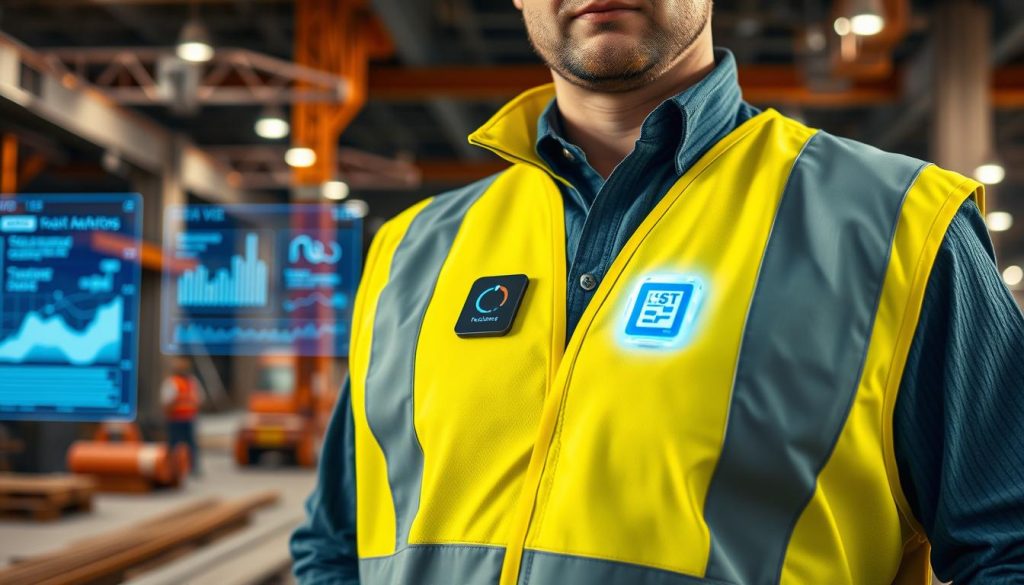
Modern industrial managers face a big challenge. They need to balance safety monitoring with privacy rights. It’s important to make sure PPE compliance doesn’t hurt worker trust. A good program needs clear communication and fair data handling.
Establishing Transparent Data Usage Policies
Companies should write clear policies on what data is collected and why. Being open is key to getting employee cooperation with wearable technology. Workers are more supportive when they know data is for safety, not tracking.
Management should define how long data is kept. Keeping data short-term shows a commitment to protecting workers. These policies should be easy to find and discussed during safety training.
Ensuring Cybersecurity for Wearable Device Networks
Strong security is vital to keep data safe. Networks should use end-to-end encryption to stop unauthorized access. A breach could harm both safety systems and worker privacy.
Regular checks on digital systems are important. IT teams should control who sees location data. Keeping data safe is key to biometric monitoring success.
Addressing Employee Concerns Regarding Constant Surveillance
Staff might worry about being watched all the time. Leaders should explain how geofencing keeps workers safe, not tracks them. Open discussions help address concerns.
Building a culture of mutual respect is important. When workers see biometric monitoring and geofencing as safety tools, they’re more likely to accept them. High PPE compliance comes from making safety the top priority.
Analyzing Real-Time Data to Prevent Accidents
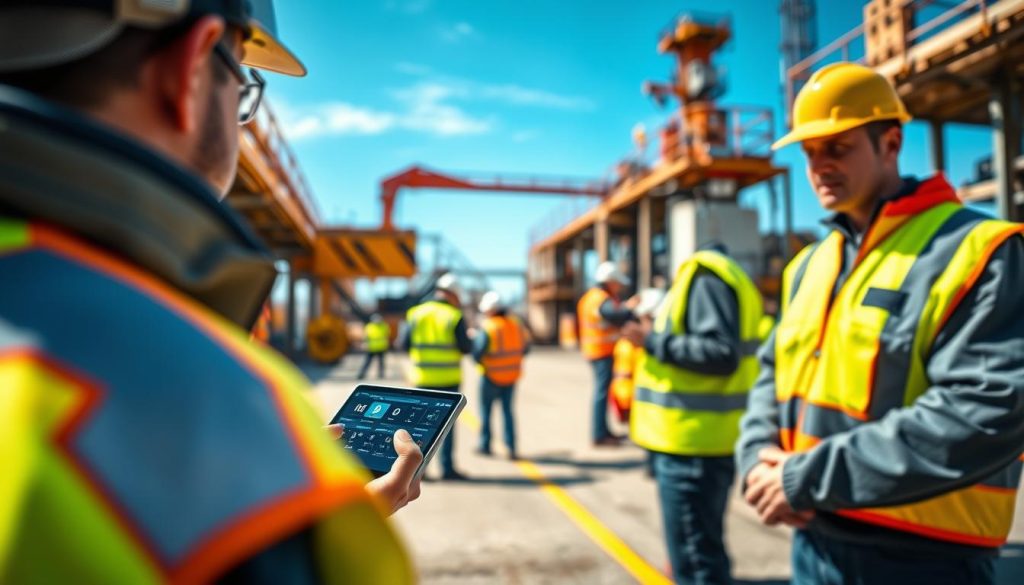
Today, industrial sites use advanced safety data analytics to make quick, lifesaving choices. They use real-time location systems to see what’s happening on the ground. This move from just reacting to being proactive is key to keeping workers safe.
Identifying Near-Miss Patterns Through Historical Data
Looking at past data helps spot dangers that might not be seen before. Teams can see where workers often get too close to dangerous machines. By spotting these patterns, they can put up barriers or change how people move around.
Understanding why workers take risks is also important. By linking location data with work schedules, companies can see if tiredness or weather play a part in near-misses. This deep look into past data is vital for stopping accidents before they happen.
Automating Emergency Response Protocols
When an emergency hits, speed is everything. Using IoT sensors with quick alert systems means help gets there fast. If a sensor spots a fall or someone where they shouldn’t be, it sends out a warning right away.
These systems act fast, without waiting for someone to decide what to do. They can stop machines or flash lights to warn people nearby. This quick action helps keep injuries from getting worse by acting fast.
Refining Safety Procedures Based on Real-Time Insights
Improvement needs a constant flow of feedback. Companies use live dashboards to check if their safety protocols are working. If a method is causing problems, they can change it right away.
This ongoing improvement keeps safety steps up to date with changing situations. Making choices based on facts, not guesses, builds a culture of responsibility and accuracy. Being able to adjust quickly is what makes some companies stand out.
Overcoming Common Challenges in Deployment
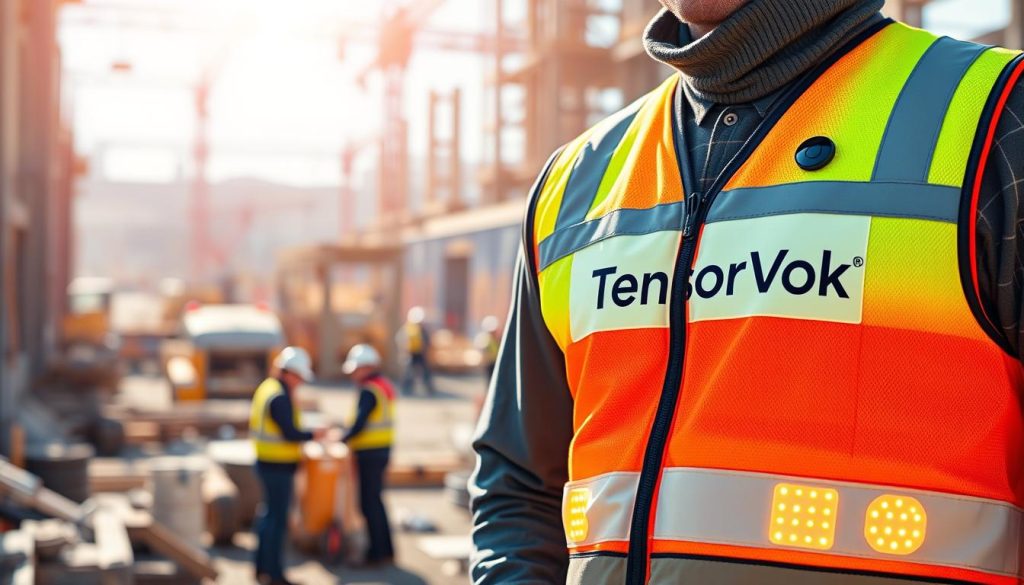
Getting smart safety vests to work well needs teams to tackle tech and operational issues. The benefits of real-time monitoring are clear. But, moving to wearable technology can uncover hidden problems in work settings. Fixing these issues early keeps safety strong and dependable.
Troubleshooting Connectivity and Signal Interference
Big industrial places often have trouble spots where signals can’t get through. This is because of big machines and thick walls. To keep signals strong, using mesh networks is key. This way, devices can pass on data to each other, avoiding lost signals.
If signal problems keep happening, check the frequency bands of your gear. Sometimes, switching to a less busy band can fix the issue. Regular checks can find these trouble spots before they cause problems.
Maintaining Battery Life and Hardware Durability
For PPE compliance to work, gear must last all day. Vests need strong cases to protect against dust, water, and bumps. Using tough hardware means fewer repairs and less waste.
Keeping batteries charged is also key. A central charging station makes sure all devices are ready for the next day. Setting power use wisely can also make batteries last longer.
“The true value of safety technology lies not just in the hardware, but in the seamless integration of that hardware into the daily workflow of the workforce.”
Scaling Monitoring Systems Across Large Workforces
Expanding a system to many workers needs a careful plan. Start with a small group to find and fix any problems. Once it works for them, you can add more workers with confidence.
Handling lots of data is important. Cloud-based dashboards help keep everything in one place. This way, PPE compliance stays high as the company grows.
| Challenge | Primary Impact | Recommended Solution |
|---|---|---|
| Signal Drops | Data Gaps | Mesh Networking |
| Battery Drain | Reduced Compliance | Centralized Charging |
| Hardware Damage | High Maintenance | Ruggedized Enclosures |
| System Scaling | Operational Lag | Phased Implementation |
Conclusion
Modern industrial settings need a new way to keep workers safe. Old methods can’t handle the complex dangers found on job sites today.
Using workplace safety technology is a big change for companies. IoT sensors give managers a live view of what’s happening on site. This lets teams spot and fix risks before accidents happen.
Success comes from using the latest safety rules all the time. These digital rules keep everyone safe during their work hours. Leaders use data to make these rules better for their specific work.
Companies that focus on these new tools show they care about their workers. Investing in smart systems shows a commitment to keeping everyone safe. Leaders should look into these digital tools now to make their workplaces safer and more productive.