
Can we truly eliminate workplace accidents with modern technology? Protecting workers in the fast world of local infrastructure is our top goal.
The government launched the smart site safety system in February 2023. This move, outlined in Works Technical Circular No. 3/2023, changes how we handle risks.
With an ai helmet detection system, companies can watch over safety rules in real-time. This way of ai video analytics for site safety compliance is always a priority. Using these digital tools, we raise construction safety Hong Kong standards for everyone involved.
- Hong Kong Smart City Blueprint 2.0
- Smart Site Safety System (SSSS) Hub
- Development Bureau’s Technical Circular
- Innovation and Technology Fund
Key Takeaways of ai helmet detection system
- The 4S initiative mandates new digital safety standards for local projects.
- Real-time monitoring of ai helmet detection system helps prevent accidents before they occur on site.
- Government circulars provide the framework for modernizing workplace protection.
- Technology adoption is essential for meeting current regulatory requirements.
- Prioritizing safety protocols fosters a culture of accountability and care.
The Current Landscape of Occupational Safety in Hong Kong
We are at a critical point in construction safety Hong Kong with new rules changing the game. Keeping workers safe is a major goal for big companies in the city. As projects grow, we need to protect workers better and faster. And ai helmet detection system is one of those ways.
Challenges in Traditional Site Monitoring
Old ways of checking sites often miss dangers, leading to accidents. Human error is a big problem in big projects. This method is outdated and not good enough anymore.
“Safety is not just a regulatory requirement; it is the foundation upon which we build the future of our city.”
Without live data, it’s hard to keep an eye on everything. Relying on people to check sites leaves workers at risk. We need new ways to keep everyone safe.
The Shift Toward Digital Transformation in Construction
The industry is moving to digital solutions to solve these problems. The 4S policy is pushing for smart site safety systems in big projects. Even projects started before the policy must improve their safety.
Using AIoT construction tools helps monitor sites better. This shift to smart construction means quicker alerts and smarter decisions. We think these new technologies are key to a safer work place.
How an AI Helmet Detection System Functions in Real-Time
Modern safety management relies on combining visual data with smart processing. An ai helmet detection system boosts worker safety in Hong Kong’s complex construction sites. It turns passive surveillance into an active defense against accidents.
Computer Vision and Deep Learning Integration
Our system’s heart is AI visual recognition. It checks live video feeds for headgear. Our deep learning models learn from thousands of images, spotting non-compliance with over 90% accuracy.
The software keeps scanning to ensure safety rules are followed. It automates checks, avoiding human errors. This keeps everyone on-site safe all shift long.
Edge Computing for Instant Alerting
We use edge computing in our IoT construction setup for real-time monitoring. It processes data locally, not in the cloud, as well as for ai helmet detection system. This quick analysis is key for site conditions.
Local processing is crucial for big projects with unreliable networks. Our system works well even when networks are slow. This is a big plus for large-scale projects.
Minimizing Latency in High-Risk Environments
In fast construction zones, seconds matter for hazard detection. Quick alerts are vital for site managers. They need to act fast to prevent injuries.
Our system alerts in milliseconds. This fast response gives safety teams the time they need. It’s what makes our digital safety work well for Hong Kong’s industry.
Driving Behavioral Change Through Automated Compliance
Smart technology of ai helmet detection system can change safety management from reactive to proactive. This shift moves us away from old methods that rely on occasional human checks. Instead, we focus on keeping worker safety a top priority all the time.
Moving Beyond Manual Supervision
Manual checks are limited by human tiredness and the size of today’s construction sites. Relying only on supervisors to spot dangers often misses important moments. AI visual recognition offers a constant, unbiased watch over the site.
This ai helmet detection system tech keeps site safety compliance steady without pause. It spots missing safety gear, easing the load on site managers. This lets our teams concentrate on big plans, not just watching over the site.
Data-Driven Insights for Safety Managers
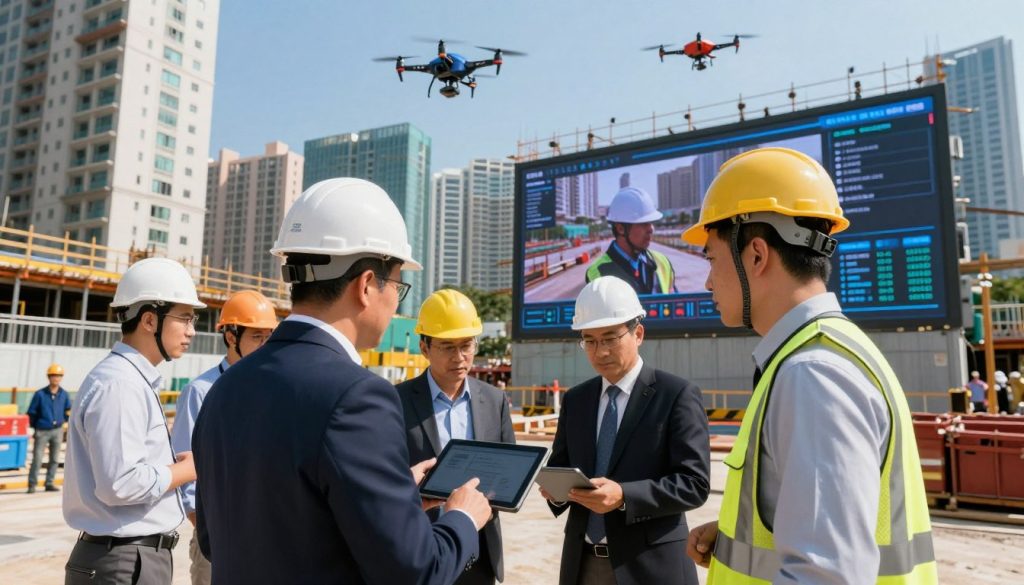
Real-time monitoring gives us useful insights. For example, in 2024, a worker’s smart helmet in Tseung Kwan O detected an unusual heart rate. This led to quick medical help, just three minutes later.
This shows how tech can greatly improve occupational safety. We no longer have to guess where dangers lie. Instead, we use data to focus on the most critical areas, making hazard detection quick and precise.
Identifying Patterns in Non-Compliance
These systems also reveal long-term trends in worker behavior. By looking at data over time, we find out where and when safety rules are often broken. This helps us create specific training to fix these issues.
| Feature | Manual Supervision | Automated Compliance of ai helmet detection system |
|---|---|---|
| Response Time | Delayed | Instant |
| Coverage | Limited/Spotty | Comprehensive |
| Data Accuracy | Subjective | Objective |
| Safety Impact | Reactive | Proactive |
These tools help build a culture of responsibility on our projects. Knowing they’re being watched closely, workers are more likely to follow safety rules. This makes our workplaces safer and more efficient for everyone.
Overcoming Implementation Barriers in the Local Industry
Switching to new safety rules is tough. It faces many challenges. But, by following the 4S policy, we can make work safer for everyone.
Addressing Privacy Concerns and Data Ethics
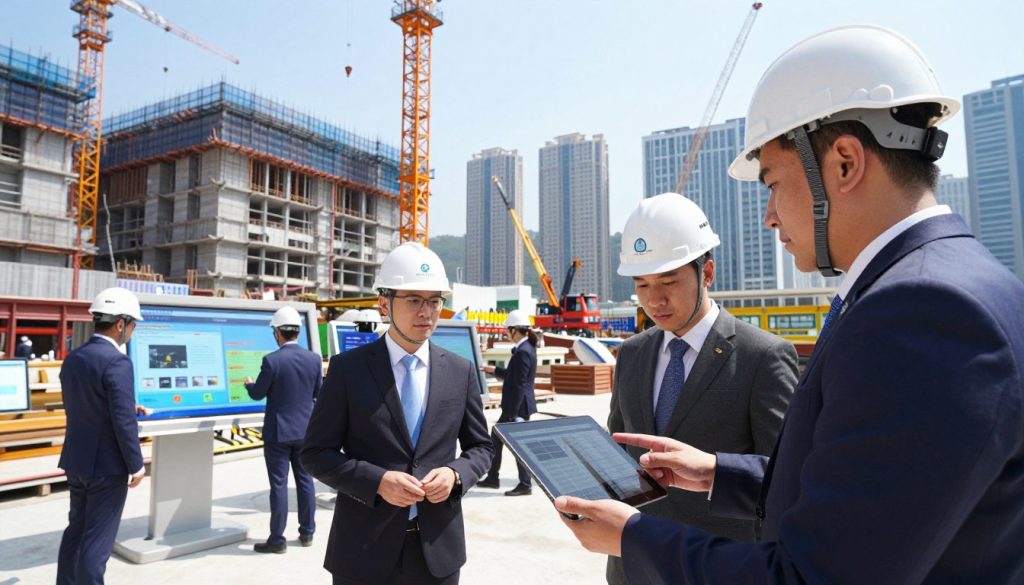
Keeping data safe is key when using new tools. We use encrypted transmission to protect everyone’s privacy. This way, we keep our safety management honest and follow the rules.
Scalability for Diverse Project Sizes
Smart construction works for all kinds of projects. It helps with small fixes or big builds. We adjust our use of these tools to fit each project, making sure we’re always safe.
Integration with Existing Site Management Software
Adding new tech to old systems can be hard. But, today’s systems easily connect with what we already use. The Construction Innovation and Technology Fund (CITF) helps by offering up to HK$7.5 million in funding. This makes it easier to adopt smart construction tools and follow the 4S policy.
Conclusion
Adopting AI-driven safety systems like ai helmet detection system is key for the future of construction in Hong Kong. It’s a crucial step to update our building standards.
The industry has seen a 35% drop in major accidents on sites that use this tech since 2023. This shows that technology can save lives when used every day.
We think the 4S system will make Hong Kong a top name in smart construction safety. Our focus on these digital tools aims to make work safer, more efficient, and productive for everyone.
Our main goal is to put people first in our tech efforts. We urge project managers and site supervisors to use these advancements to keep their teams safe. Contact our team to find out how to use these solutions in your next project.